
When faith came to the goldfields
By the late 1880s, Barberton had representatives of several Christian denominations, each attempting to establish a congregation in a rapidly expanding gold-mining town.



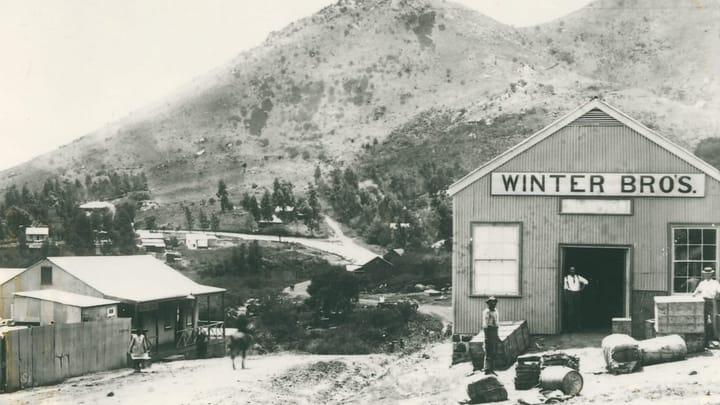
When gold was discovered in the De Kaap Valley in 1884, Barberton sprang up with astonishing speed. Tents and rough buildings appeared almost overnight, followed by shops, hotels, banks, saloons, billiard rooms and mining offices. Thousands of people arrived hoping to make their fortunes.
It was a noisy, rough and transient community, and certainly not the sort of place one would immediately associate with quiet church services. Yet, almost as quickly as the diggers arrived, faith followed them.
By the late 1880s, Barberton had representatives of several Christian denominations, each attempting to establish a congregation in a rapidly expanding gold-mining town. Among them were the Anglicans, Roman Catholics, Methodists and Dutch Reformed Church. Their stories form another fascinating chapter in Barberton's early history.
A Methodist account of the period paints a particularly vivid picture. When the Rev W.J. Underwood arrived in Barberton on a Sunday, he encountered none of the quiet solemnity normally associated with the Sabbath. Instead, there was the sound of hammers and saws, while men emerged from canteens intoxicated. It was into this environment that the churches stepped.
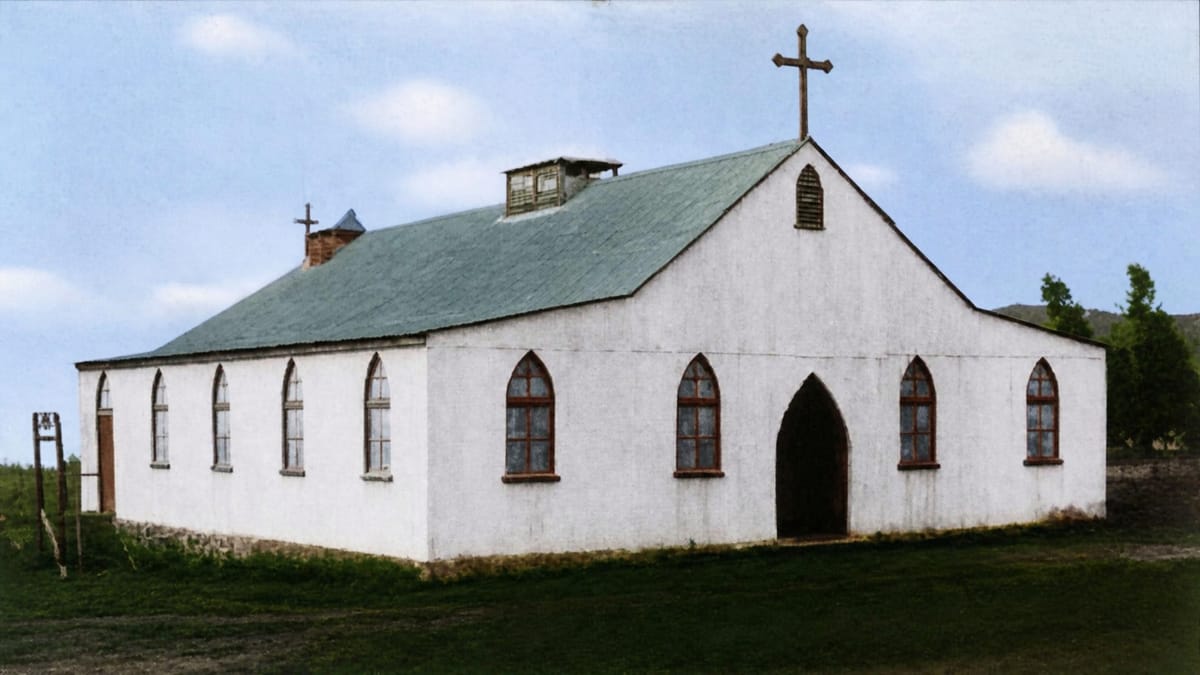
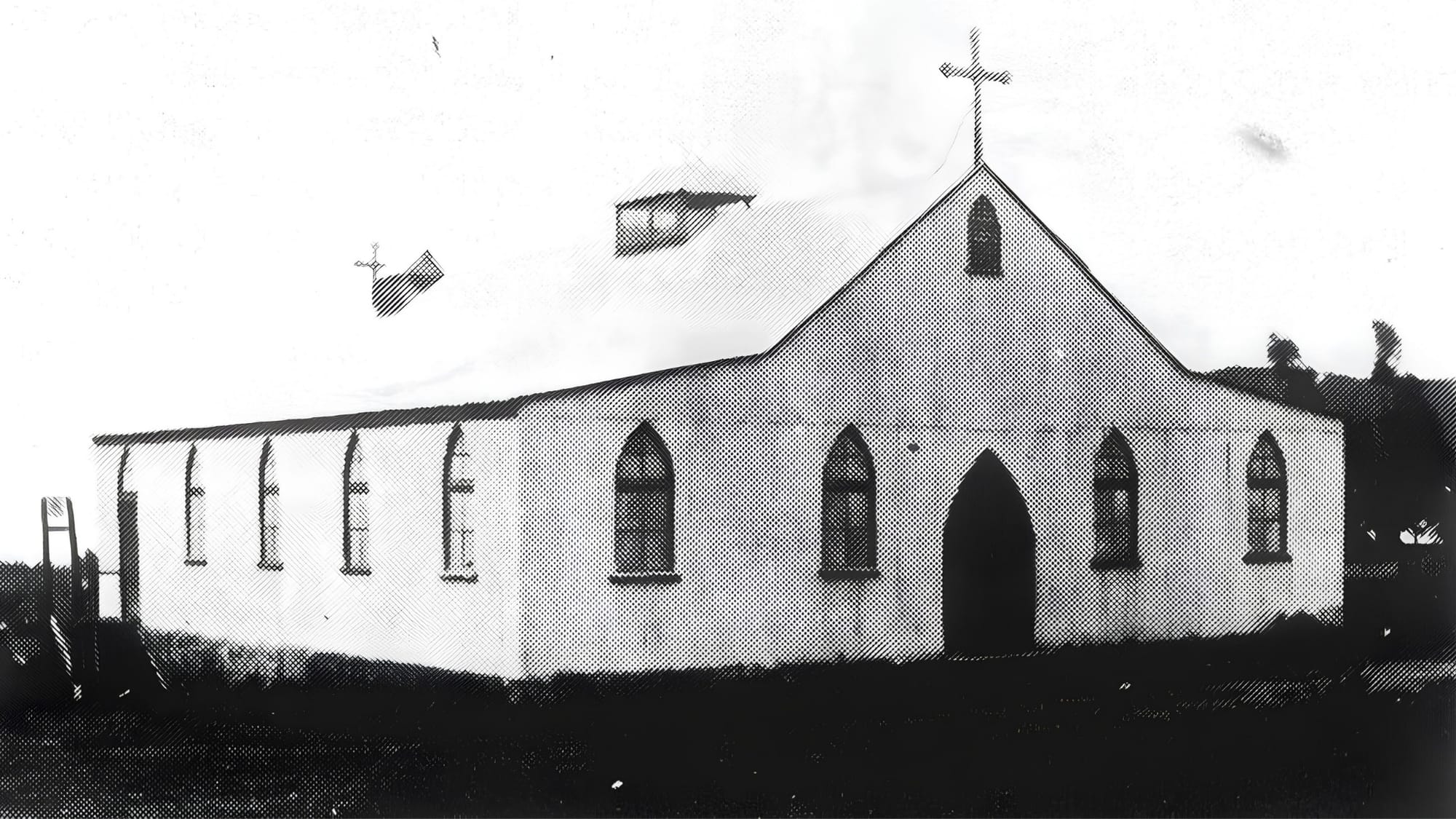
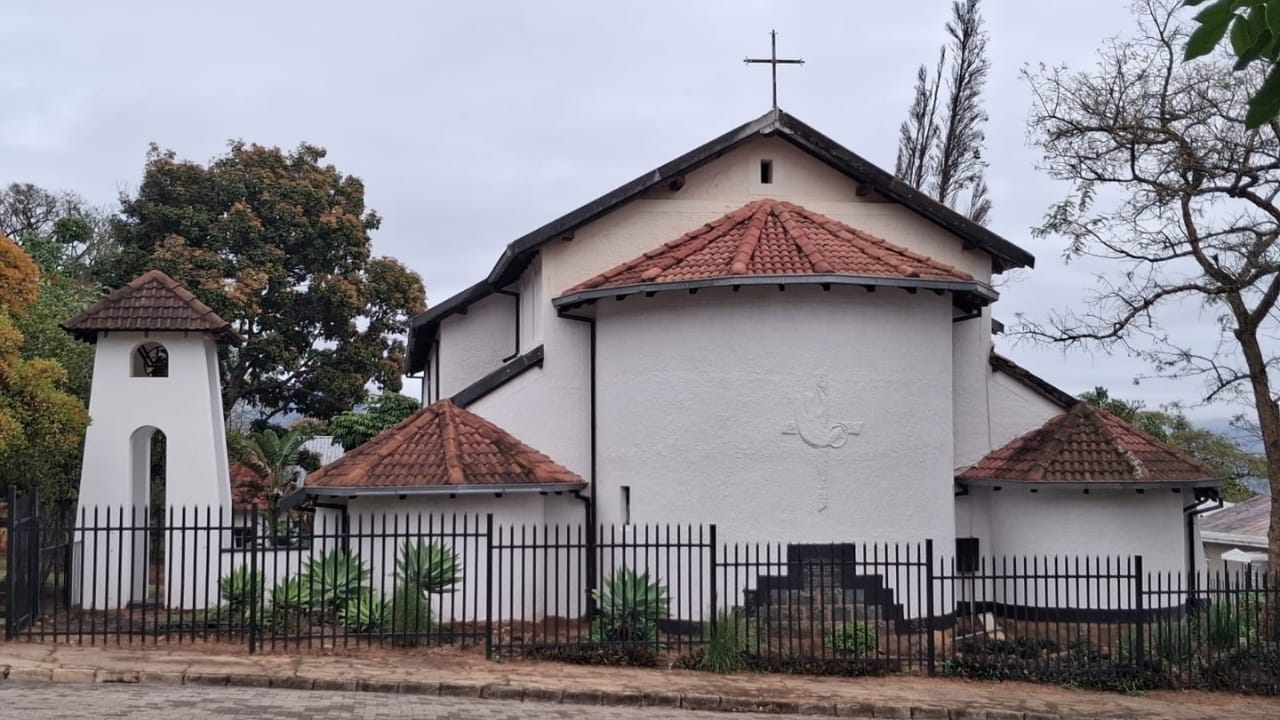
Today, the beautiful Anglican Church on Pilgrim Street is one of the monuments on Barberton's Heritage Walk. Built in 1887 from local stone, it is a reminder that the pioneers who arrived in search of gold were not prepared to leave their faith behind.
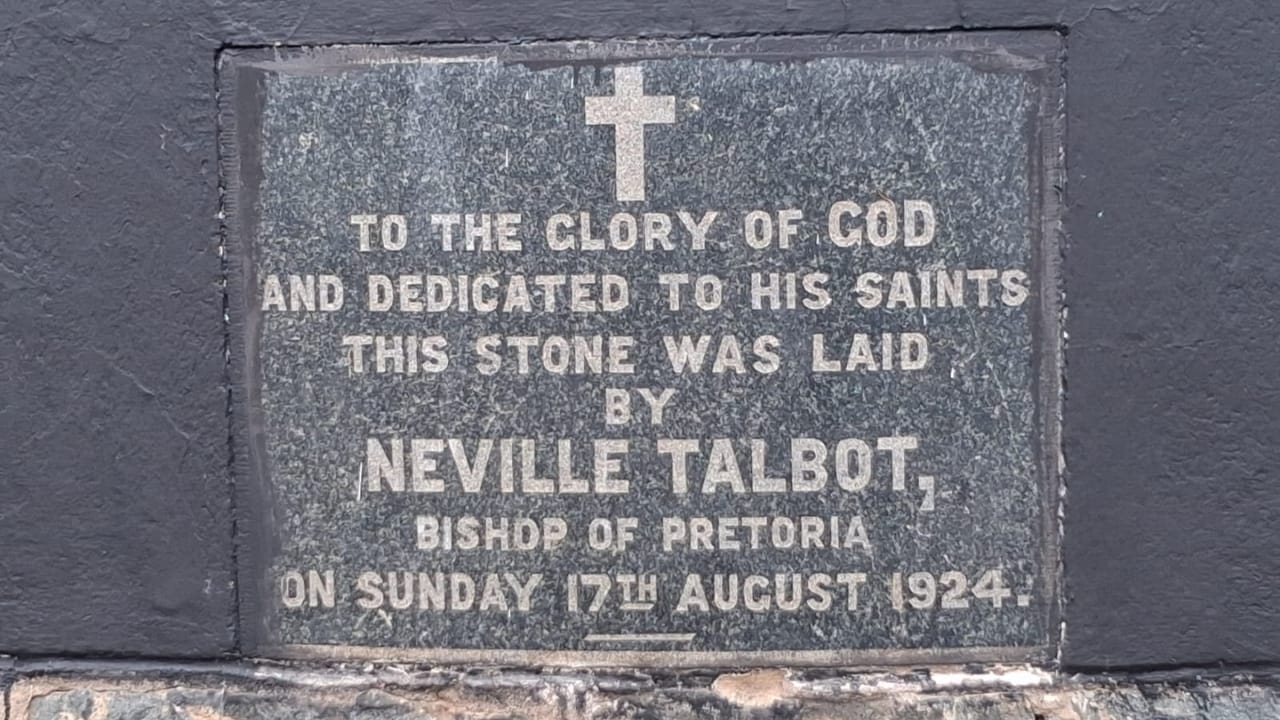
The Anglican presence was already established among the early inhabitants of Barberton by the time the Methodists arrived. The Methodist historical record specifically notes that the Anglican, Presbyterian, Roman Catholic and Independent churches were already active in the town during this early period.
The church was more than a place for Sunday worship. In a community where families were beginning to put down roots amid the gold rush, churches provided a sense of continuity and normality. The fact that the Anglican Church survives today makes its story particularly tangible. A visitor following the Heritage Walk can stand before the same building that witnessed Barberton's transformation from a rough mining camp into an established town.
The Roman Catholic story began even earlier in the wider goldfields. In 1875, Father Walsh was sent to Pilgrim's Rest after 60 gold diggers petitioned Bishop Jolivet for a priest. By the time he arrived, only about 15 of those men remained. The others had already moved on to Barberton in search of their fortunes. It was a pattern that characterised the goldfields: follow the gold.
Barberton's first Catholic baptismal records date from 1886. Among the priests who served the growing community, Father Edward Kelly, an Irishman, stands out in the historical record. He was described as energetic and popular with the diggers and was regarded as being available to everyone. The community responded to his ministry. A spontaneous collection raised enough money to provide a small Catholic church and a priest's house.
There was, however, a practical problem. As the richest goldfields shifted towards the Witwatersrand, many of Barberton's diggers moved on. Barberton was subsequently served only intermittently by travelling priests, and the baptismal register reflects the succession of clergy who passed through the town. The records also reveal something about the limitations of missionary work at the time. Very few baptisms of African or Indian people were recorded, while Bishop Jolivet reportedly acknowledged that he lacked both money and personnel for mission work.
That is an important part of the story because Barberton's early population was diverse, and the experience of religion was not the same for everyone.
The Methodist story provides perhaps the clearest picture of religion attempting to reach beyond the European settler community. By late 1886, Methodist services were being held in Barberton. The congregation initially consisted largely of men, but there was considerable enthusiasm for establishing a permanent church. Two stands were secured in a central position for future buildings.
The foundation stone of the Methodist church was laid on March 9, 1887, and the building opened in May that year. It cost £900, a considerable sum at the time. The Methodist missionaries were also concerned about the African population living around the mines. Services were held under a tree in the location on Sunday afternoons, with the assistance of a European local preacher.
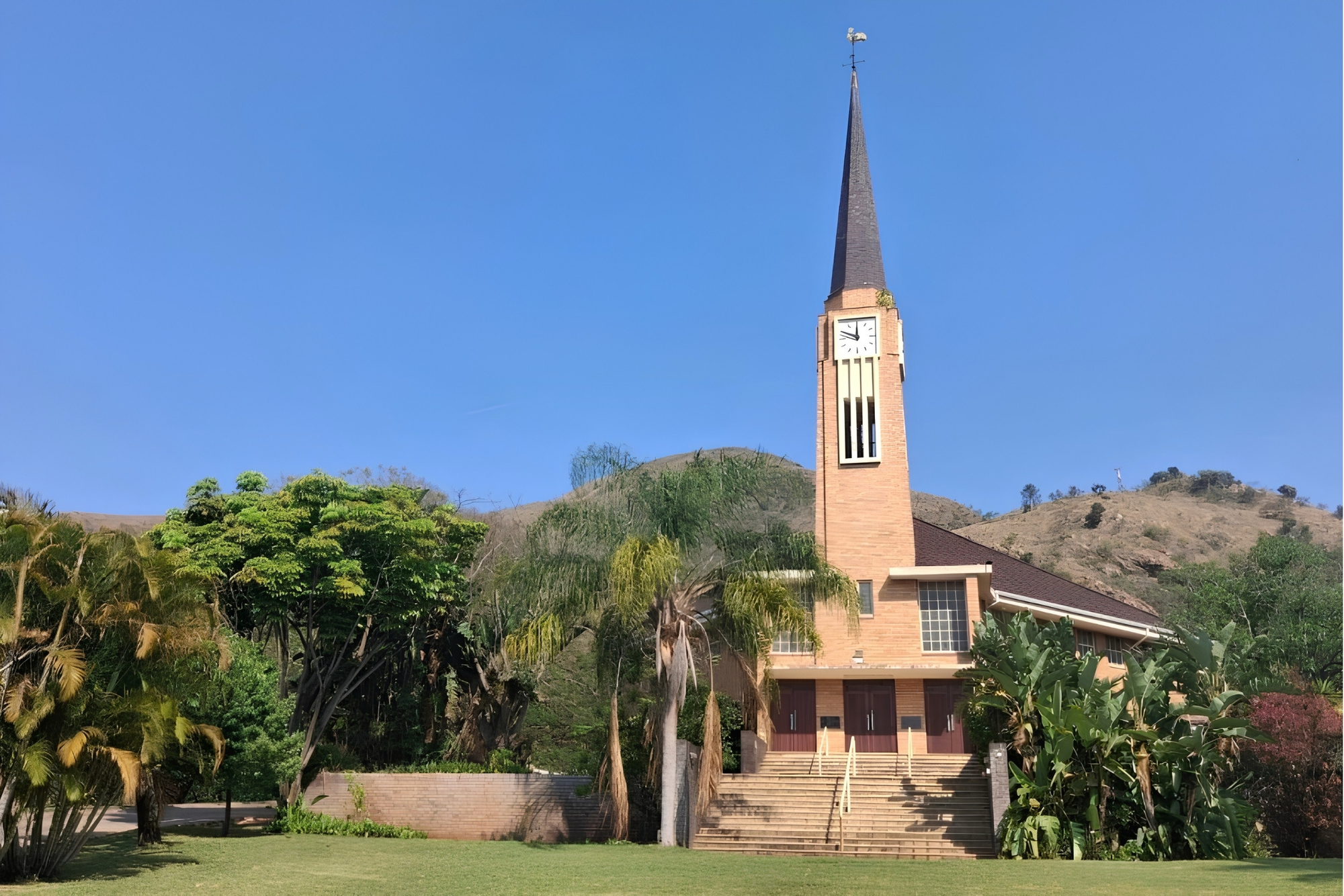
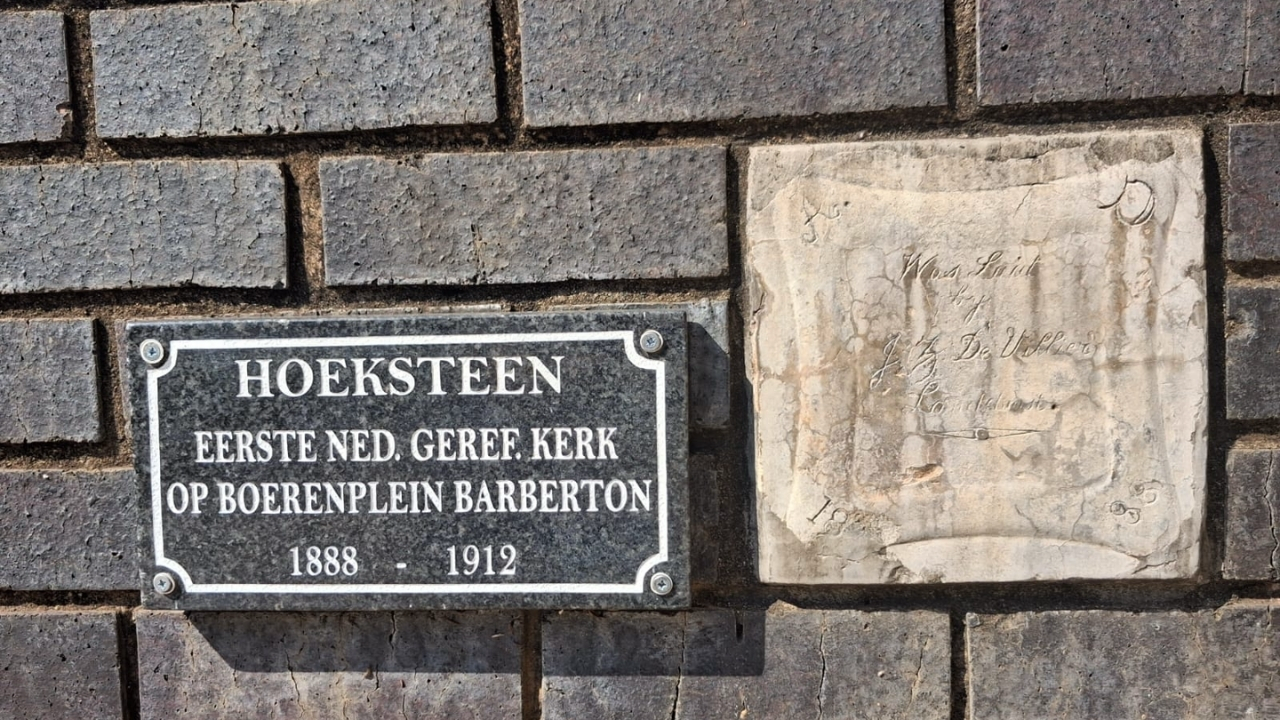
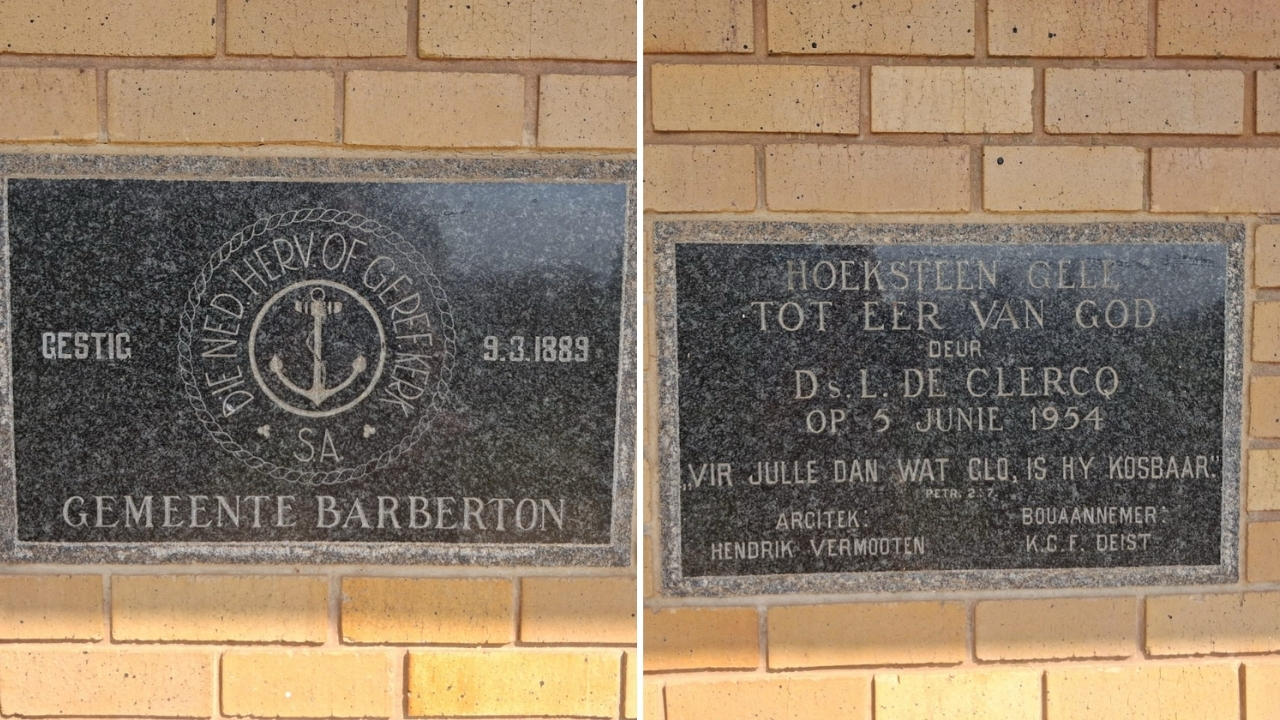
The Dutch Reformed Church was also establishing itself as Barberton grew. Parish records for the Barberton congregation begin in 1889, providing another substantial record of families and religious life in the town. The congregation became part of the developing fabric of Barberton, and its church buildings were also used for purposes beyond worship.
An account of Barberton Primary School's history records that the government school temporarily moved into the Dutch Reformed Church in Alexandra Road. Desks were placed at the back of the church while the pupils were kept away from the pews at the front. It is an amusing but revealing little detail.
In a rapidly developing town where buildings and resources were limited, a church could become a school, meeting place and community facility as well as a place of worship. The Dutch Reformed Church therefore formed part of the infrastructure of the young community, not simply its spiritual life.
The arrival of four established denominations tells us something important about the people who came to Barberton. They may have been chasing gold, but they also brought the institutions and traditions of the societies they had left behind.
Churches offered baptism, marriage and funeral services. They gave families somewhere to gather and individuals somewhere to seek comfort. Ministers and priests were also among the few people attempting to bring some order and compassion to a community where accidents, illness, drinking and financial ruin were everyday realities.
Today, Barberton's historic churches can easily be viewed primarily as architectural landmarks. They are beautiful reminders of another era, and the Anglican Church's place on the Heritage Walk ensures that visitors encounter this part of the town's story, but behind the stone and timber are the stories of the people who filled those buildings. They were miners and businessmen, wives and children, immigrants and pioneers. Some arrived believing they would make their fortune and return home. Others stayed and helped build the town that we know today. For them, faith was one of the few constants in an uncertain world.
Barberton's gold rush may have been driven by the promise of wealth, but the community that grew around the mines needed more than banks, shops and mining companies. It needed schools, hospitals, social institutions and places of worship. The churches arrived during those formative years and became part of the town's identity.
More than 140 years later, the surviving buildings and archival records allow us to glimpse that remarkable period when faith came to the goldfields. Perhaps that is one of the most intriguing things about Barberton's heritage: beneath the stories of gold, fortunes and famous prospectors lies the quieter story of ordinary people trying to build a community in the middle of a gold rush.
 Liz Thorne
 Anchen Coetzee
 Mariana Balt
 Anchen Coetzee

Comments ()