
Gold brought Kaapschehoop and Barberton together
The gold rush that transformed Barberton also reached the high ground of Kaapschehoop, linking two very different settlements within the same De Kaap goldfield.
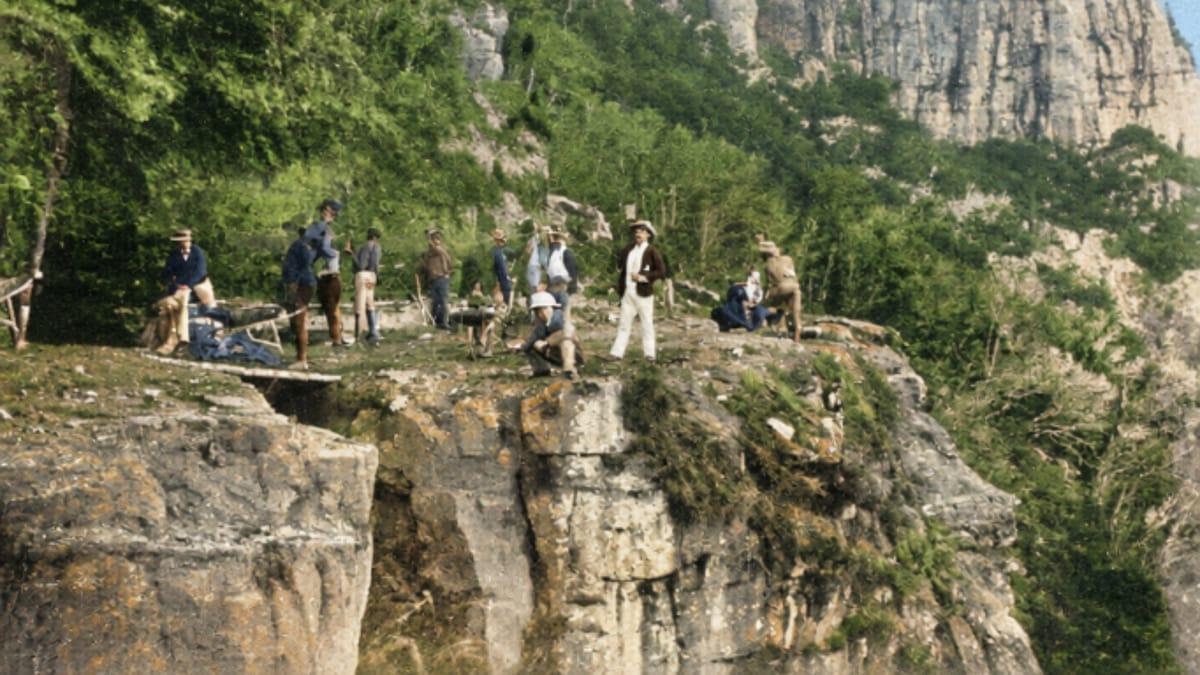
Long before Kaapschehoop became known for its wild horses, misty mountain mornings and somewhat unpredictable weather, and long before Barberton became the historic town we know today, both places were caught up in the same fever that swept across the eastern Transvaal: gold.
The discovery of gold in the De Kaap region during the early 1880s changed the landscape, drew people from far beyond the borders of the Transvaal and set in motion the development of settlements that would otherwise perhaps have remained little more than names on a map.
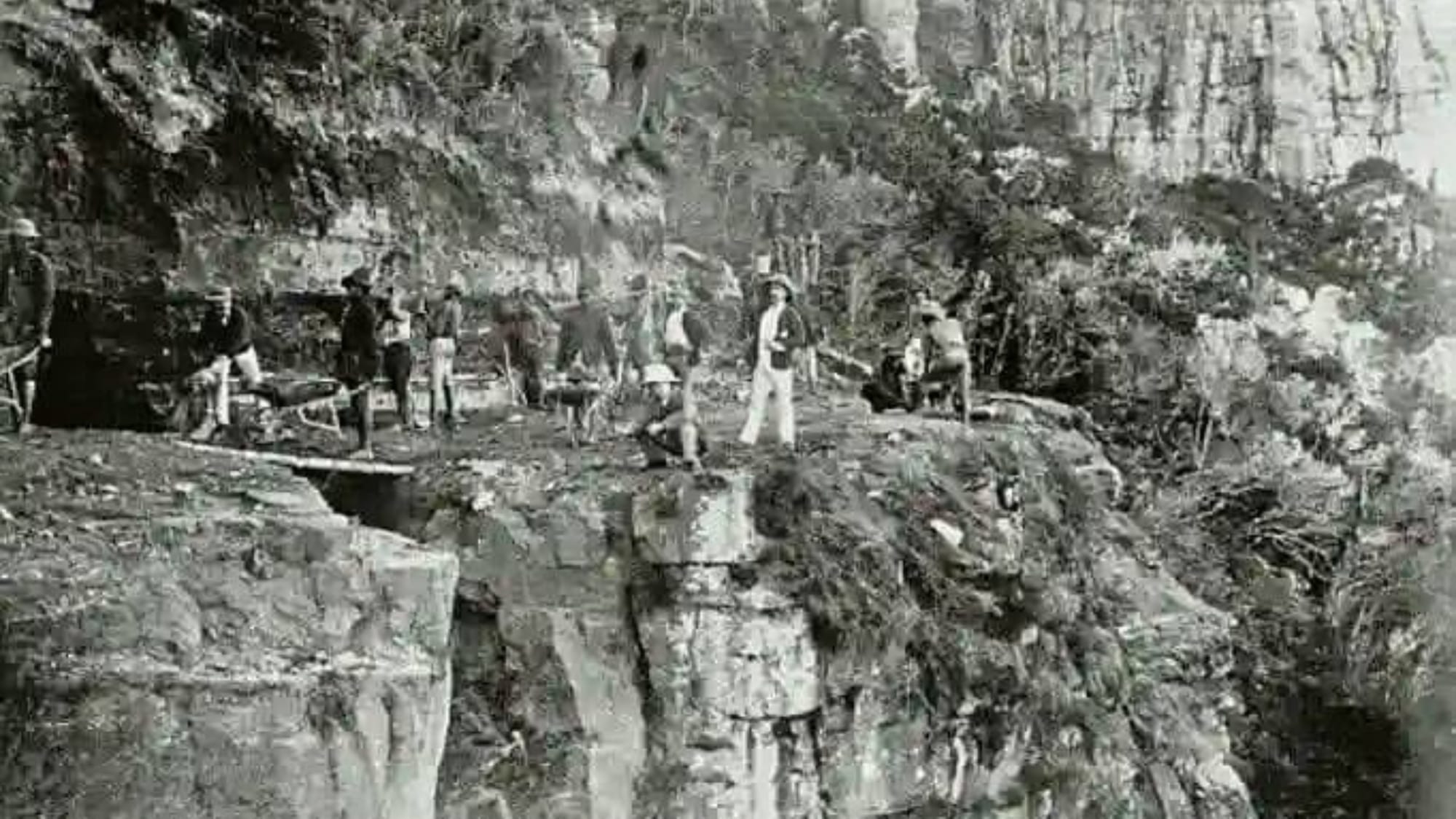
Kaapschehoop and Barberton were not two unrelated goldfields. They formed part of the same wider De Kaap goldfield, although their fortunes would develop rather differently. The first discoveries in the eastern Transvaal had already attracted prospectors to places such as Lydenburg, Mac Mac and Pilgrim's Rest during the 1870s. By 1882 the search for gold had reached the De Kaap Valley and the high ground above it.
On the plateau, gold was found at what was then known as Duivels Kantoor. This became the foundation of what would eventually be called Kaapschehoop. The discovery brought the usual gold-rush ingredients: diggers, traders, officials, speculation and the inevitable belief that the next nugget might be the one that changed everything.
The government soon realised that this was no longer simply a scattering of men scratching around in the veld. By August 1882 an Acting Gold Commissioner, J.P. Ziervogel, had been sent to the new diggings, and the name Kaapsche Hoop was already being used officially. At the same time, prospectors were moving through the wider De Kaap region in search of richer ground. Then came the discoveries that would change the history of Barberton forever.
On Christmas Day 1882, Auguste Robert, better known as French Bob, discovered gold on the Pioneer Reef. Other discoveries followed, and in 1884 the Barber brothers found payable gold near the Umvoti Creek. The settlement that grew around the discovery was proclaimed Barberton in July that year. The difference between the two places soon became apparent.
Kaapschehoop occupied the high ground of the escarpment. Its gold was largely associated with the early alluvial workings and the scattered activity of prospectors. Barberton, lower down in the De Kaap Valley, became the centre around which the more substantial reef-mining industry developed. What had been a remote valley was transformed into a bustling mining town. Tents and rough buildings appeared, followed by stores, hotels, banks, mining offices and eventually the institutions expected in a growing town. Within a remarkably short time Barberton had developed into the commercial and social centre of the goldfield.
By comparison, Kaapschehoop's fortunes were more modest, but its importance should not be underestimated.
It formed the northern edge of the same goldfield and became an important administrative and settlement centre on the plateau. Officials, prospectors and traders moved through the area, while the village gradually developed its own community life. A court, school, post office and cemetery followed as the settlement became more permanent. The two places were therefore connected not simply by geography, but by the gold rush itself.
People moved between the mountain and the valley. Supplies had to reach the diggings. Officials had to administer an expanding and often unruly mining frontier. Prospectors followed rumours of new discoveries, while traders followed the prospectors.
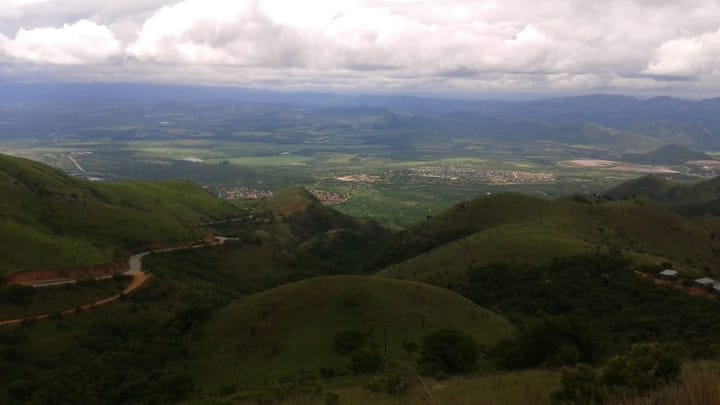
None of the movement between the two settlements were easy. The landscape between the escarpment and the De Kaap Valley was rugged, steep and often unforgiving. Roads were little more than rough tracks in many places, and transport depended heavily on ox-wagons, horses and the men who knew how to get them through difficult country. Every sack of supplies, piece of mining machinery, letter, passenger and official document had to find its way into this remote corner of the Transvaal. The goldfields could not develop without some means of connecting them with the outside world.
For a while, the roads and tracks were the lifelines of the De Kaap Valley. Barberton's rapid growth eventually made better transport essential. The town's isolation became increasingly inconvenient as mines expanded and machinery, supplies and people needed to move in greater numbers. The eventual arrival of the railway connected Barberton with the wider railway network and changed the transport equation dramatically, but by then the character of the gold rush had already changed.
The early days of men arriving with little more than determination, basic equipment and dreams of striking it rich gave way to increasingly organised mining. Companies, capital, machinery and more sophisticated mining operations became essential, particularly as attention concentrated on the richer reefs around Barberton. Kaapschehoop, meanwhile, entered a quieter chapter. Its gold rush did not produce another Barberton. Yet it survived the fading of the boom and developed into a village with its own identity and history.
Perhaps that is what makes the relationship between Kaapschehoop and Barberton so interesting today. Stand in Kaapschehoop and it is easy to imagine the mountain settlement as a world apart from the hot valley below. The mist, cold winters and open grasslands seem a long way removed from the heat, dust and frenetic energy that characterised early Barberton.
However, during the gold rush, these two places were part of the same story. One occupied the high ground, the other the valley. One became a smaller mining and administrative settlement, while the other grew into the great centre of the De Kaap goldfields. Yet both were shaped by the same extraordinary rush for gold that swept through the region in the 1880s.
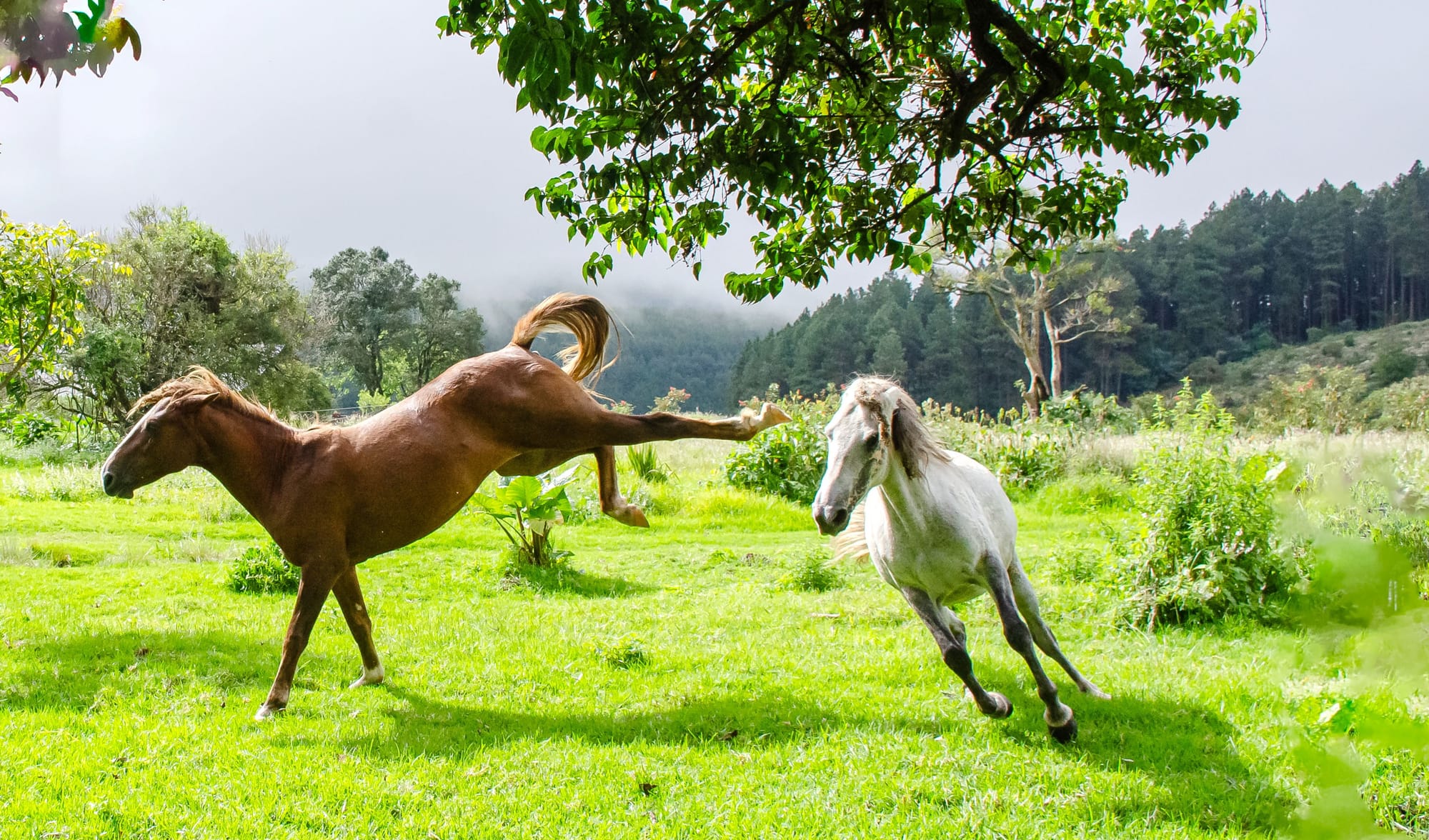
Today, we tend to think of Kaapschehoop and Barberton as separate destinations, each with its own character and heritage. History tells us otherwise. They were two pieces of the same goldfield, connected by the people who travelled between them, the officials who administered them, the traders who supplied them and the prospectors who were always wondering where the next strike might be.
The road between the two areas may be familiar today, but more than 140 years ago, it was part of a very different journey, one driven by gold, hope and the extraordinary belief that somewhere just over the next rise, fortune was waiting.
🎶 𝖣𝖾𝗄𝖺𝖽𝖾𝗌 𝗌𝖾 𝗈𝗈𝗋𝗌𝗉𝗋𝗈𝗇𝗄𝗅𝗂𝗄𝖾 𝖠𝖿𝗋𝗂𝗄𝖺𝖺𝗇𝗌𝖾 𝖽𝗂𝗀𝗄𝗎𝗇𝗌 𝗄𝗋𝗒 𝗇𝗎𝗐𝖾 𝗅𝖾𝗐𝖾 𝖽𝖾𝗎𝗋 𝗆𝗎𝗌𝗂𝖾𝗄. 𝖶𝖾𝗅𝗄𝗈𝗆 𝗂𝗇 𝗆𝗒 𝖪𝗅𝖾𝗂𝗇 𝖪𝖺𝗋𝗈𝗈 - 𝖡𝗈𝗅𝖺𝗇𝖽𝗌𝖾 𝖻𝗂𝗇𝗇𝖾𝗄𝖺𝗆𝖾𝗋.
Comments ()