
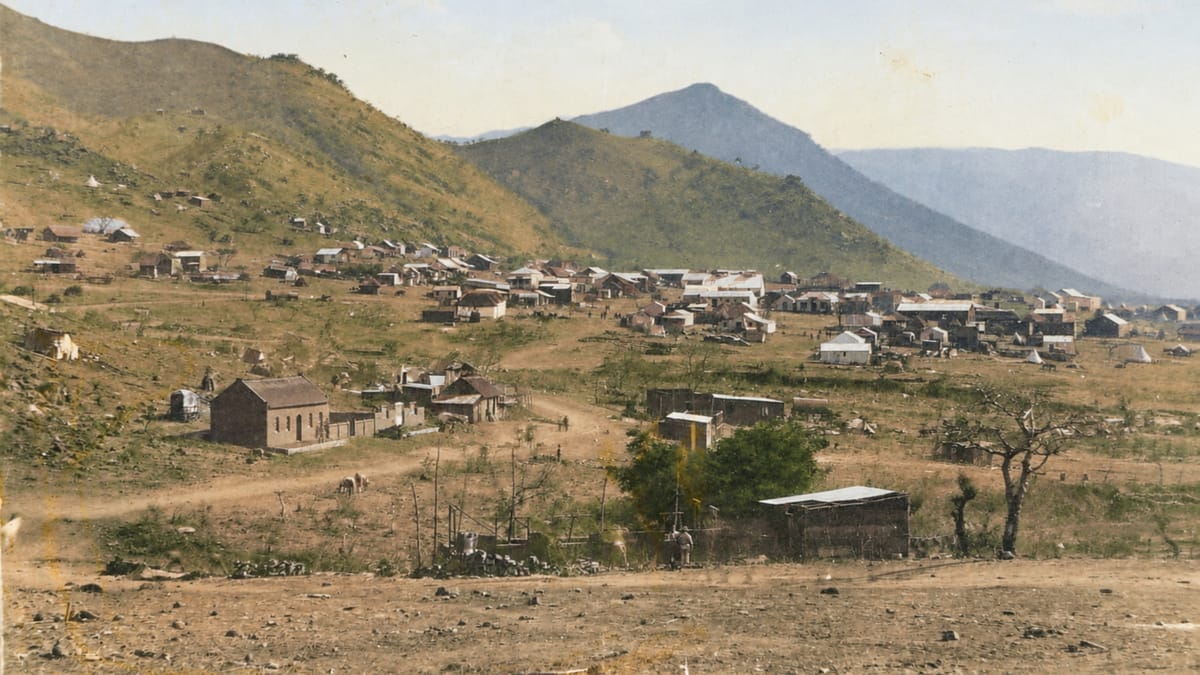
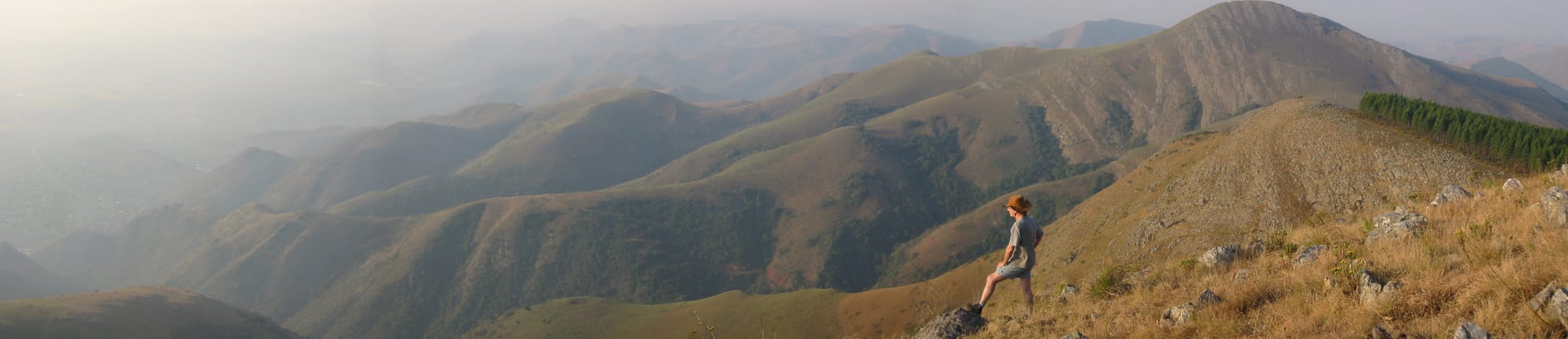
One of the earliest published explanations of the name appears in the 1911 edition of Encyclopaedia Britannica. Its entry on Barberton described the town as being built on the side of a valley named De Kaap, after a prominent headland of the Drakensberg that towered above it.
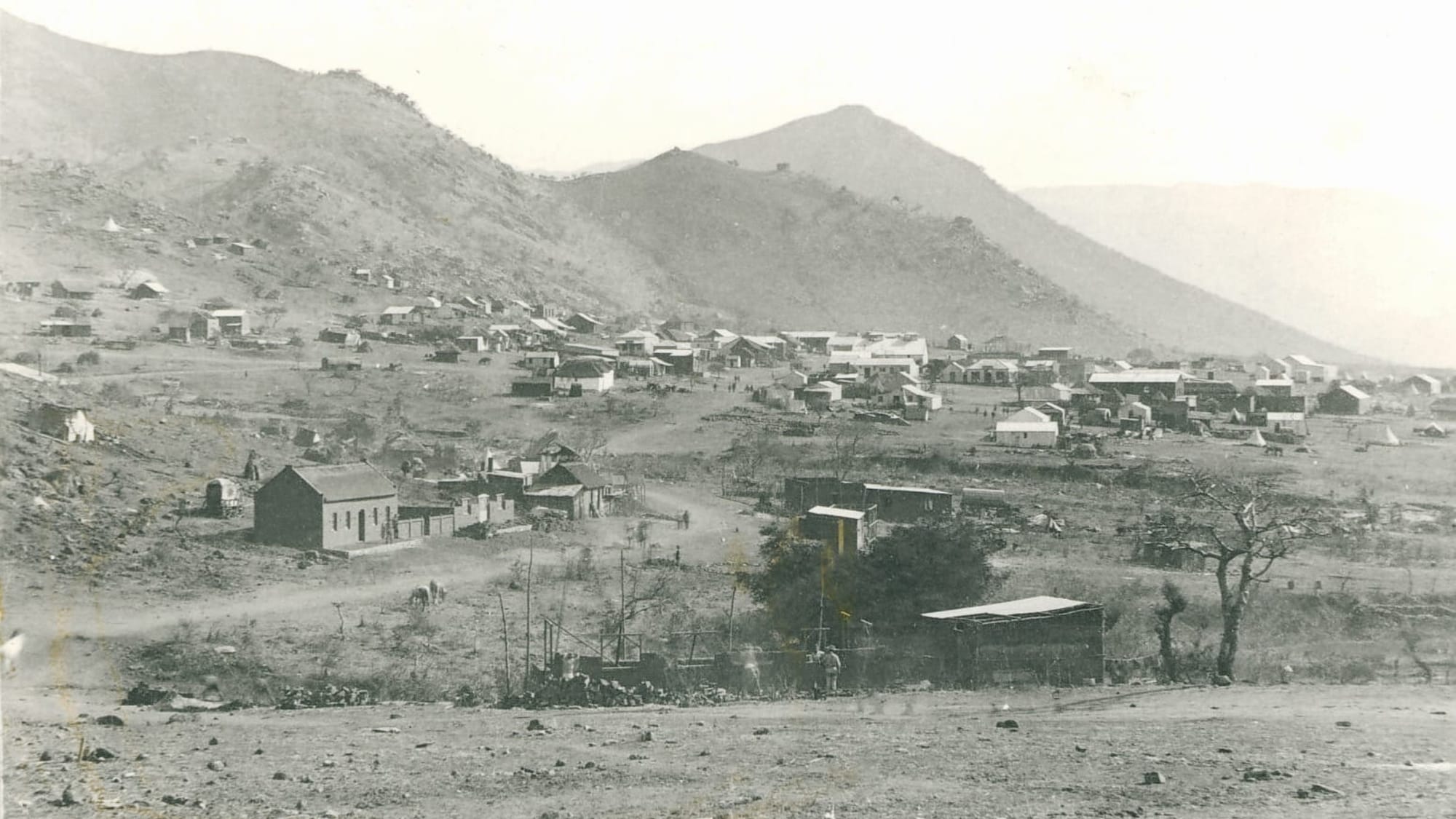
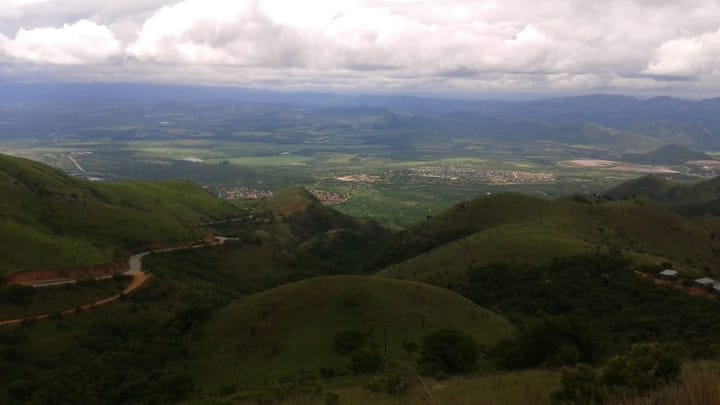
The name De Kaap is part of everyday life in Barberton and the surrounding Lowveld. It appears in the names of businesses, organisations and landmarks, and it gives the region a distinct identity. Yet how many people who live in the De Kaap Valley have ever wondered where the name came from, or how it became associated with one of South Africa's most colourful gold-rush stories?
The answer takes us back to a time before Barberton existed, when prospectors were beginning to explore the rugged landscape in search of gold and the names of valleys, rivers and settlements were gradually appearing on maps. One of the earliest published explanations of the name appears in the 1911 edition of Encyclopaedia Britannica. Its entry on Barberton described the town as being built on the side of a valley named De Kaap, after a prominent headland of the Drakensberg that towered above it. The entry also noted that Barberton owed its existence to the discovery of gold in the Kaap Valley.
This provides a useful historical starting point. The explanation links the name to the physical geography of the region, although further research is needed to establish the precise feature referred to and when the name was first recorded.
There is another account associated with the early history of the area. Local historical material published by Umjindi describes a tradition linking the names Kaapsche Hoop, De Kaap Valley and Kaap River to the appearance of the landscape from the escarpment. According to this account, General Piet Joubert compared the scenery with Table Mountain and Cape Town. While this is an intriguing explanation, a contemporary record confirming the naming conversation has not yet been identified. It is therefore best treated as a historical tradition rather than an established fact.
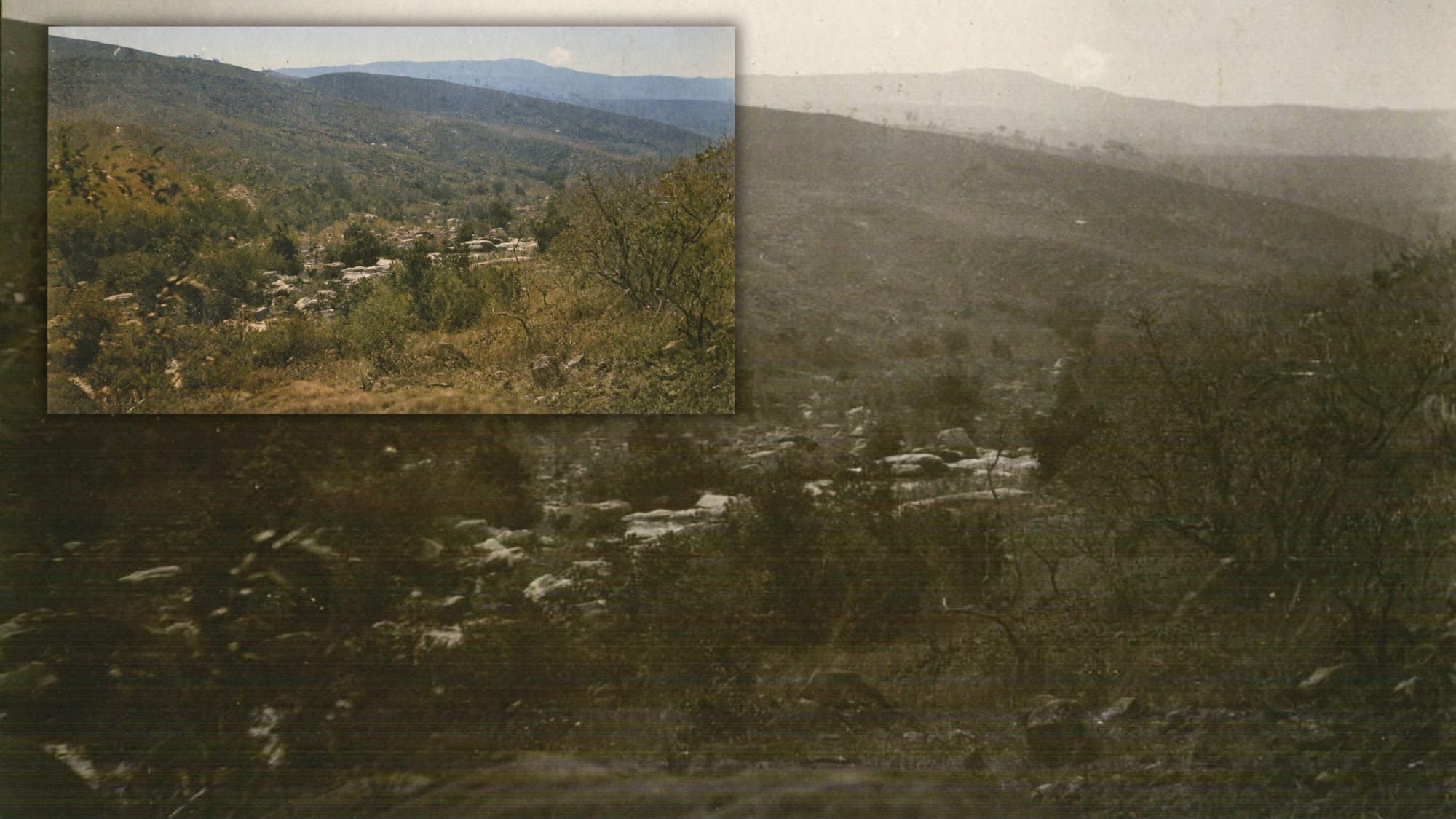
Whatever the precise origin of the name, De Kaap had become closely associated with the region's emerging goldfields by the late 19th century. The discovery of gold would transform the valley from a relatively remote landscape into a destination for prospectors, traders and fortune seekers from across southern Africa and beyond. The gold story began before the famous rush of 1884. On January 12, 1874, Thomas MacLachlan reported finding gold in the De Kaap area. His discovery did not immediately produce the rush he might have hoped for, and the region's mineral potential remained largely unrealised for several years.
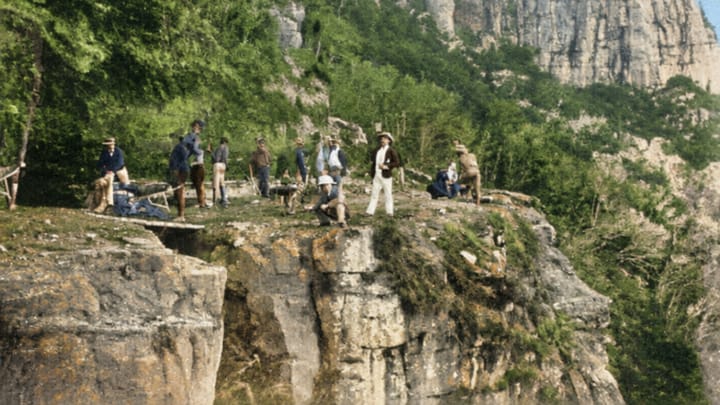
Prospecting continued, however, and by the early 1880s discoveries were drawing increasing attention to the area. Gold was found at several locations, including the North Kaap River and the Moodies area. The prospectors worked their way through the valleys and mountain passes, following promising indications of the precious metal. The discoveries eventually led to the event that changed the region's history. In June 1884, Graham Hoare Barber and his cousins Fred and Harry were prospecting near Umvoti Creek when they discovered a rich gold-bearing reef. On June 21, Graham Barber formally notified the authorities that payable gold had been found on state land.
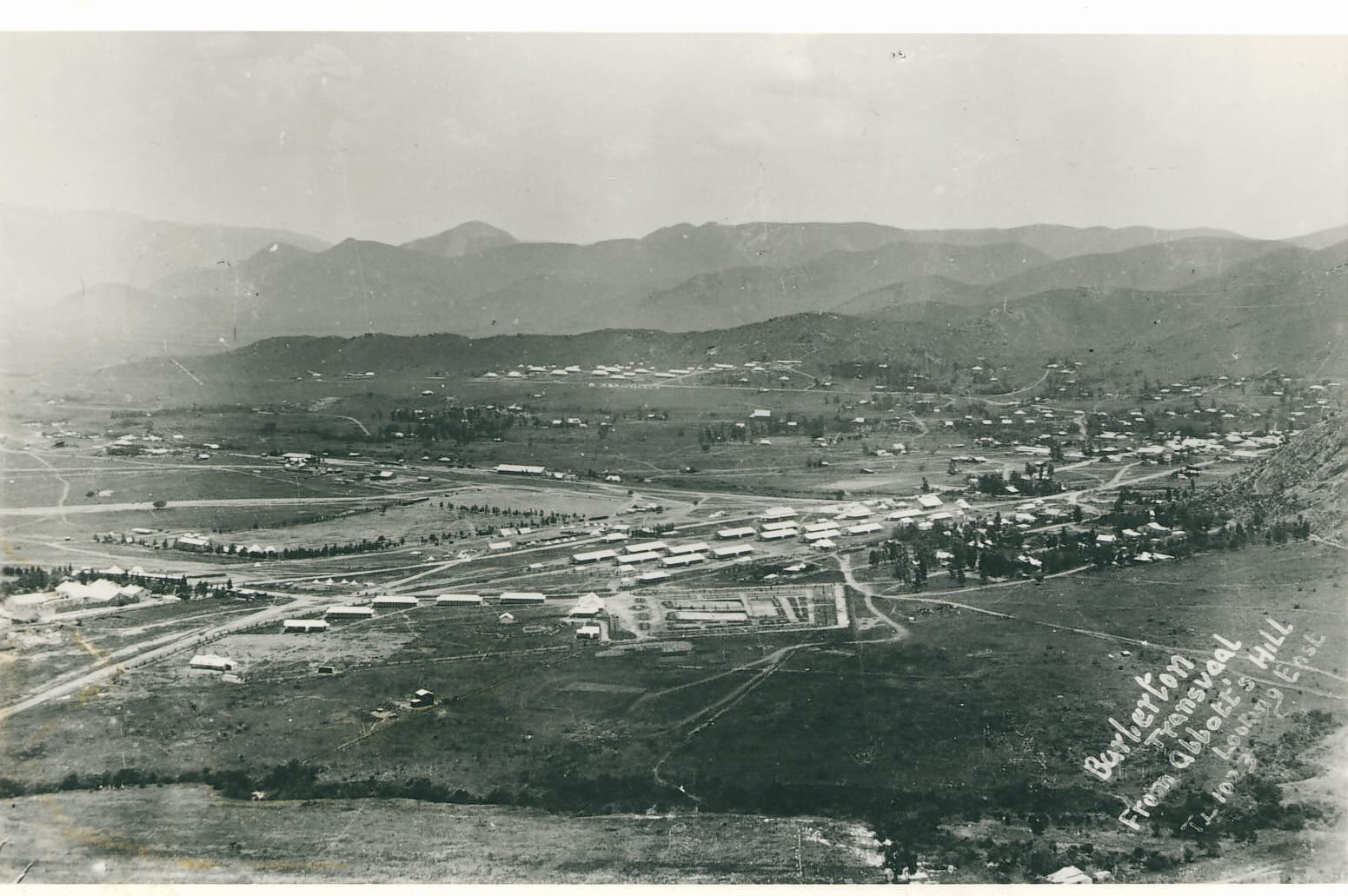
Gold Commissioner David Wilson investigated the discovery and, on July 24, 1884, proclaimed a township where the creek entered the valley. The new settlement was named Barberton in honour of the Barber family.
What followed was a dramatic influx of prospectors and traders, with tents, stores, hotels and other businesses springing up around the diggings. The town's rapid growth helped put the De Kaap Valley on the map, quite literally. As the goldfields expanded, surveyors had to record the new claims, settlements, roads, rivers and farms. Names that had once been used mainly by people familiar with the landscape became part of a growing geographical record.
The region's identity was not confined to Barberton itself. Kaapschehoop, situated on the escarpment above the valley, also became associated with the early goldfields. Jamestown, Moodies and other mining settlements formed part of the wider story, each connected to discoveries that drew people into the area. In time, De Kaap became more than a geographical description. The name came to represent a wider region whose fortunes had been shaped by gold mining, transport routes and the movement of people through the Lowveld. It remains a familiar part of the area's identity, linking present-day communities with the early history of the goldfields.
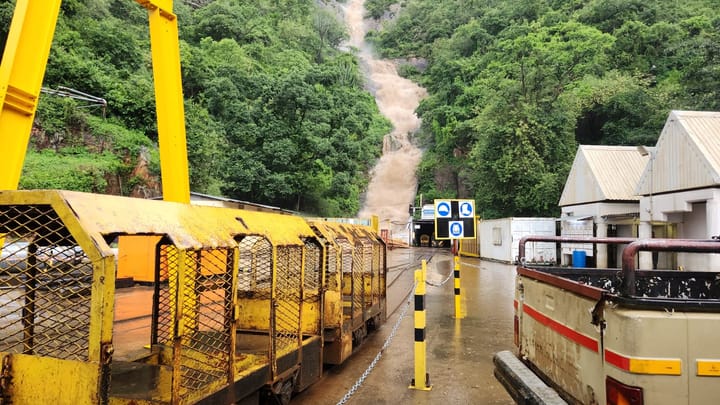
Barberton's mining heritage is still visible in its historic buildings, old mine workings and the landscape surrounding the town. The De Kaap Stock Exchange, whose surviving façade stands as a reminder of the boom years, illustrates the confidence and commercial activity that accompanied the rush. The town's museum collections preserve further evidence of the people and industries that helped shape the region. Yet the history of De Kaap stretches beyond mining.
The valley and its surrounding mountains were part of an inhabited landscape long before the arrival of European prospectors. Traditional communities, established routes and local knowledge formed part of the region's history, and these deserve recognition alongside the familiar stories of gold discoveries and mining fortunes.
The exact origin of the name De Kaap remains a question worth pursuing. The 1911 encyclopaedia provides a geographical explanation, while local historical tradition offers another possible account. Early maps, survey records, newspapers and other contemporary documents may yet help clarify when the name first appeared and how it came into common use. For a community proud of its history, such questions are more than academic curiosities. Place names connect people to the landscape around them and preserve traces of how earlier generations understood and described their surroundings.
The next time someone refers to the De Kaap Valley, it may be worth remembering that the name carries several layers of history. There is the landscape that gave rise to the earliest explanations, the prospectors who followed the promise of gold, and the town that grew from their discoveries.
Barberton may have put the De Kaap Valley on the international mining map, but the name itself belongs to a much broader story, one that continues to shape the identity of the region today.
Comments ()