
📽️ The rich traditions of Swazi culture remain part of Barberton life
Although society has changed considerably over the years, many Swazi traditions remain strong, serving as a reminder of the importance of family, respect and community.




Living in Barberton means living in one of South Africa's most culturally diverse regions. Just a short drive from the border with Eswatini, the town has long shared close historical, family and cultural ties with the Swazi people. For many residents, SiSwati is their home language and traditional customs continue to play an important role alongside modern lifestyles.
Although society has changed considerably over the years, many Swazi traditions remain strong, serving as a reminder of the importance of family, respect and community.
One of the most significant milestones in Swazi culture is marriage. Traditional weddings are not simply a celebration between two individuals, but the joining of two families. Elders from both families play an important role in the negotiations and preparations, with customs that have been passed from one generation to the next. Singing, dancing and traditional attire remain central to many ceremonies, creating colourful occasions filled with symbolism and pride.
Closely linked to marriage is the practice of lobola. Often misunderstood by those outside African cultures, lobola is not the purchase of a bride, but rather a traditional expression of appreciation and respect between families. The process involves careful discussions between family representatives and symbolises the commitment of both families to the new marriage. While customs have adapted to modern circumstances, the underlying values of respect and unity remain unchanged.
Perhaps the best-known Swazi cultural event is the annual Umhlanga, or Reed Dance, held in Eswatini during late August or early September. Tens of thousands of young unmarried women gather to cut reeds before presenting them to the Queen Mother in a ceremony that celebrates cultural identity, discipline and unity. The event has become one of Africa's most recognisable cultural festivals and attracts visitors from around the world.
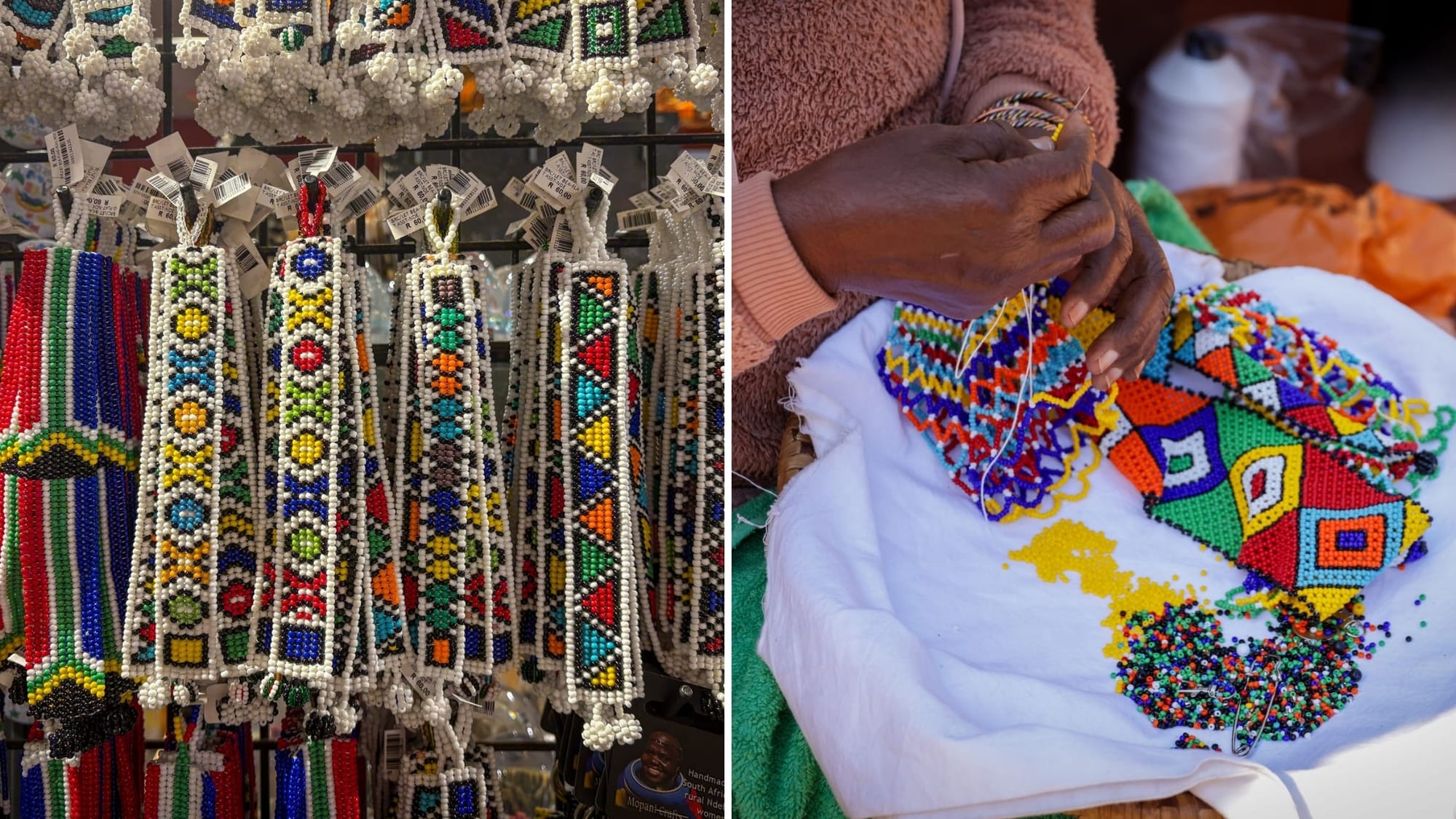
Traditional clothing also tells a story. Colourful beadwork, necklaces, bracelets and waist ornaments often carry symbolic meaning, reflecting age, family, marital status or special occasions. Skilled beadworkers continue to preserve these designs, with many creating beautiful pieces that combine traditional patterns with modern fashion. During cultural celebrations it is common to see vibrant attire proudly worn by people of all ages.
Food remains another important expression of Swazi heritage. Many traditional meals are simple, nutritious and prepared from ingredients that have been cultivated for generations. Maize meal, sorghum, beans, leafy vegetables, pumpkin and locally reared meat continue to feature in family meals, particularly during celebrations and ceremonies where sharing food strengthens community bonds.
Long before television and mobile phones, stories were one of the most important ways of teaching children. Elders would gather youngsters around evening fires to tell stories that entertained while passing on lessons about honesty, courage, kindness and respect. These oral traditions helped preserve history and cultural values, ensuring that each generation understood where they came from.
Family identity is also deeply rooted in clan names and praise names. These clan praises honour ancestors and family heritage and are often recited during important ceremonies and introductions. They reinforce a person's connection to their lineage and remind younger generations of their family's history.
Traditional healing also continues to hold cultural significance for many Swazi families. Indigenous knowledge of medicinal plants and traditional healers has been handed down through generations and forms part of the community's cultural heritage. Today many families combine these traditional beliefs with modern healthcare, reflecting the balance between preserving heritage and embracing contemporary medicine.
While some customs have evolved over time, the values that underpin Swazi culture remain remarkably constant. Respect for elders, the importance of family, hospitality towards visitors and pride in cultural identity continue to shape everyday life in communities throughout Barberton and the surrounding Lowveld.
As South Africa celebrates its rich cultural diversity, understanding one another's traditions helps build stronger communities. In Barberton, where many cultures live side by side, learning about Swazi heritage is not simply about looking into the past. It is about appreciating the living traditions that continue to enrich our town today.
 Liz Thorne
 Mariana Balt
 Naomi Roebert

Comments ()