
Barberton families who vanished when the Drummond Castle sank
In June 1896, several people connected to Barberton boarded the Drummond Castle for the journey home to Britain. They never reached their destination.
VACANCY: Project Liaison Officer | SANRAL Project

On a June night in 1896, far from the goldfields of Barberton and almost at the end of their journey home to Britain, a group of people with strong connections to the little mining town disappeared beneath the Atlantic. Their names can still be found in Barberton's history. Some are recorded on memorial stones. Others appear in old passenger lists and newspaper reports, and some, like the Rae family, seem to have left behind little more than a name and a story.
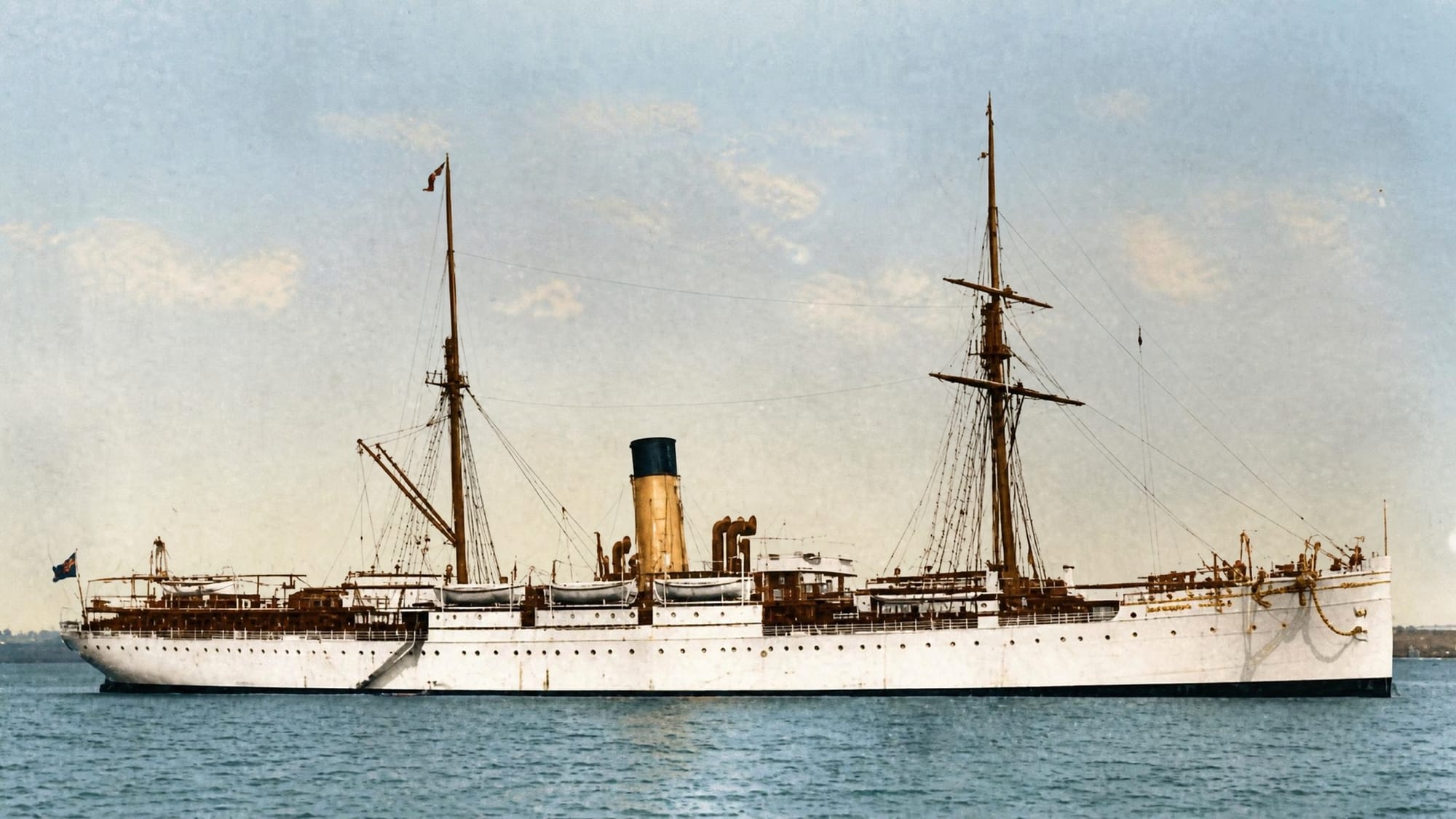
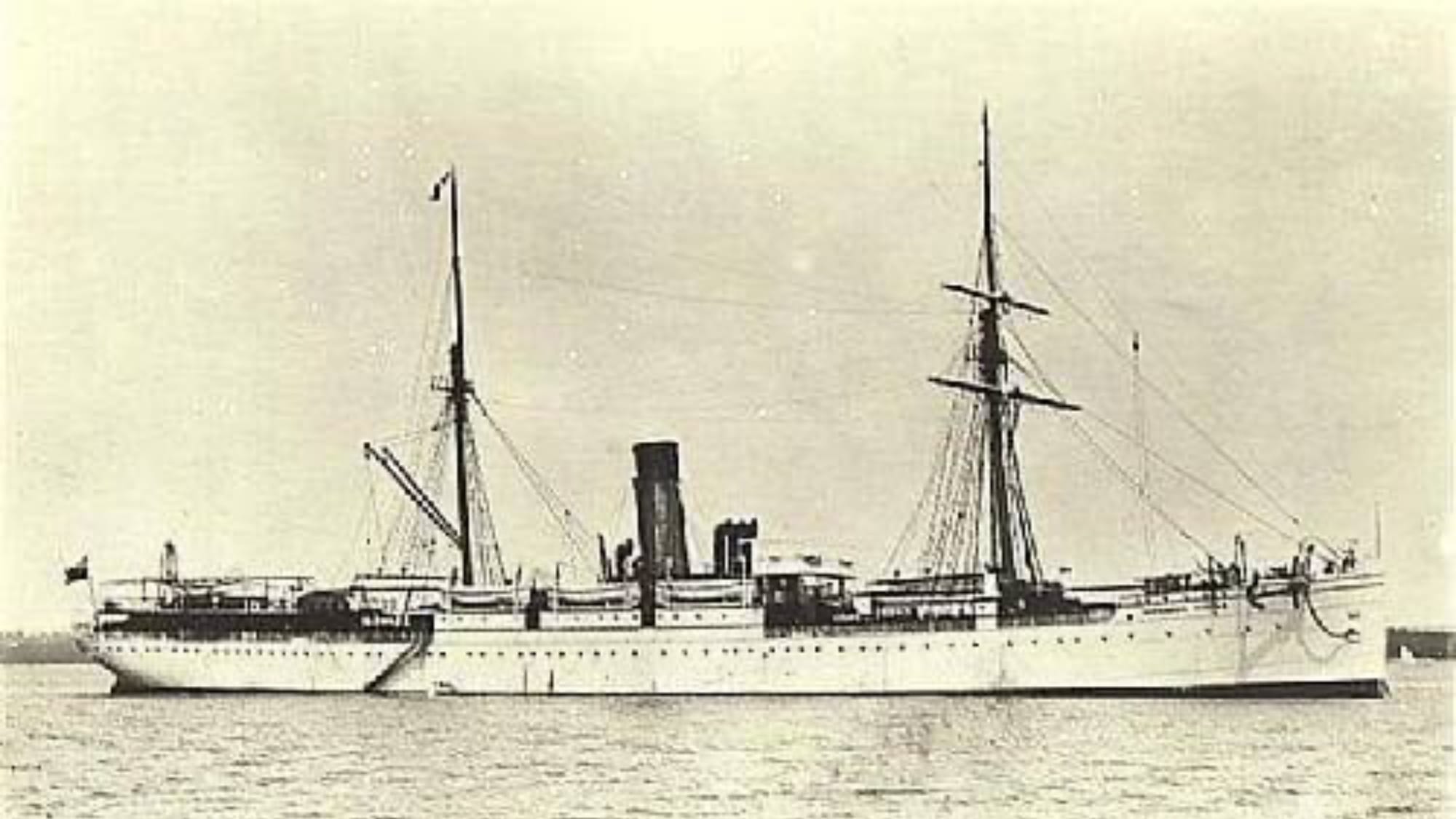
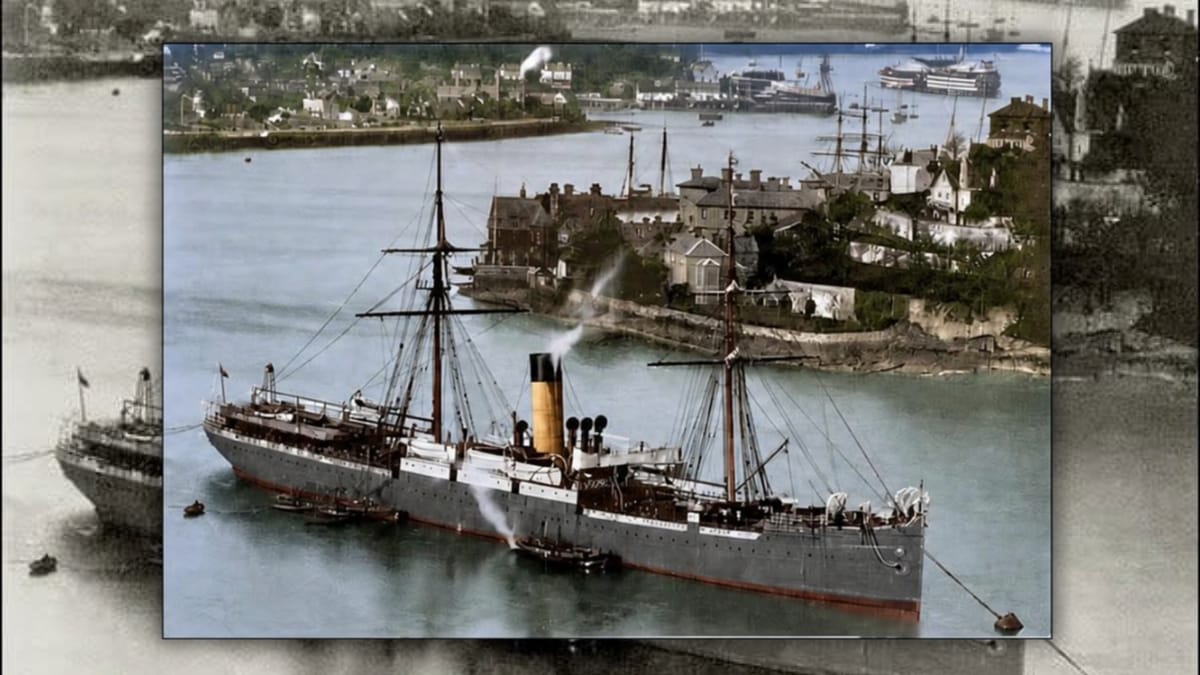
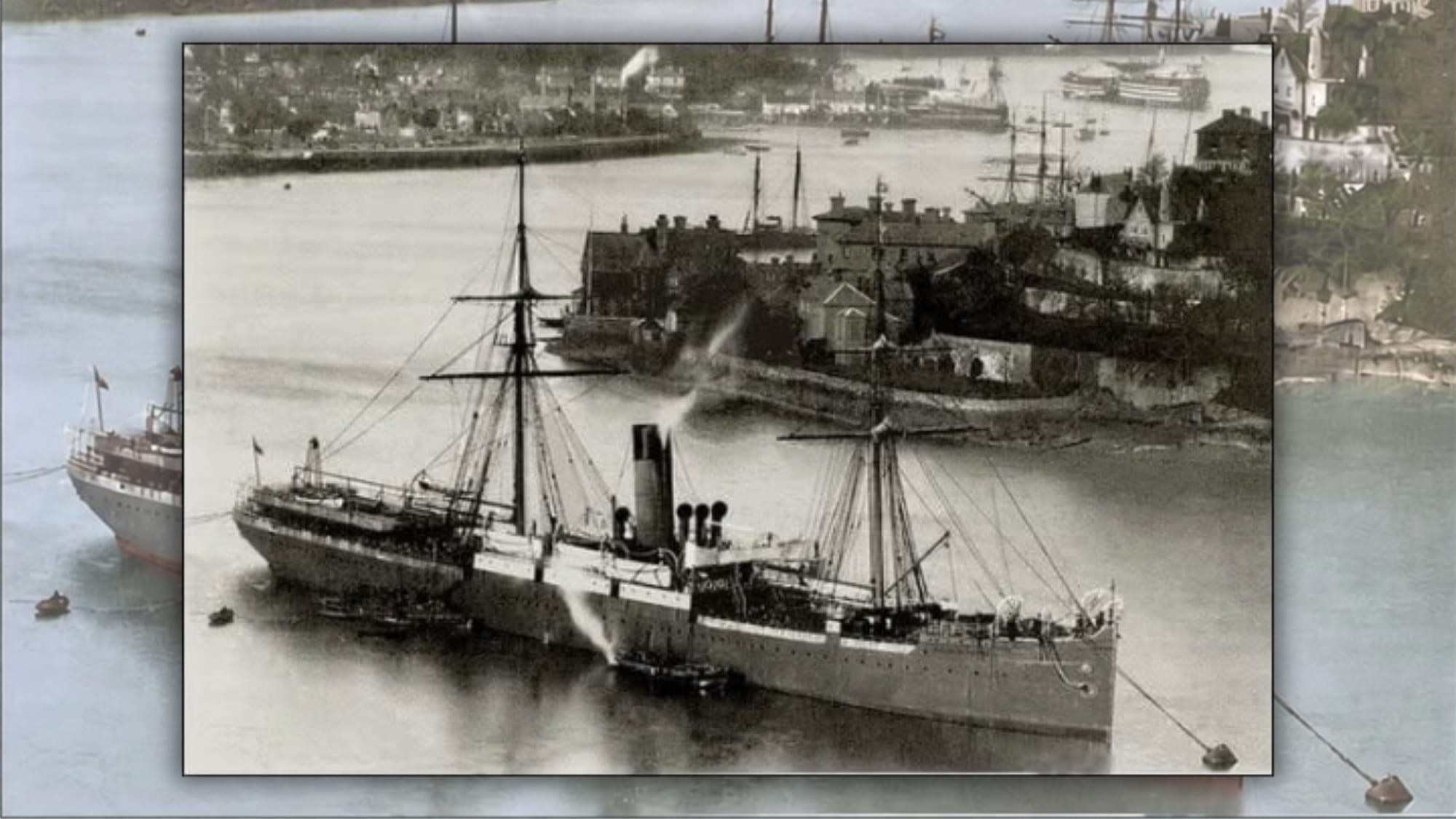
The vessel was the Drummond Castle, a steamship of the Castle Line carrying passengers home from southern Africa. On the night of June 16, 1896, while approaching the French coast, the ship struck rocks near the island of Ushant, off Brittany. She sank with devastating speed. Of the hundreds of people aboard, only three survived.
For Barberton, however, the tragedy was far more personal than the distance between the Transvaal goldfields and the French coast might suggest.
When news of the disaster reached South Africa, contemporary reports recorded that several well-known Barbertonians were among those aboard. They included members of the Hugo family from Moodies, the Mercer family, William Rae of Rae and Russel, Mrs Hammond, widow of the former Battery Manager of the Sheba Mine, and Mrs Tom Andrews, widow of the former manager of the Hatherley Distillery.
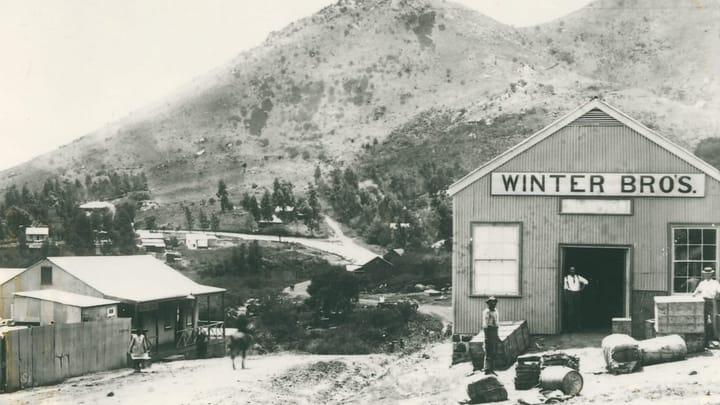
These were not anonymous names from a passenger manifest. They were people who had been part of the community that grew up around Barberton's gold mines during the extraordinary years of the town's early development.
The Rae family
William Ogilvy Rae, his wife Jessie, and their daughter Ada Winnifred were travelling first class and had boarded the Drummond Castle in Durban. A historical reference identifies William Ogilvy Rae as a Barberton resident and associates him with the business Rae and Russel. It records that he, his wife Jessie and their daughter were travelling to Europe when the Drummond Castle made its final voyage. The Rae family were originally from Banff in Scotland, and by 1896 Barberton had become their home.
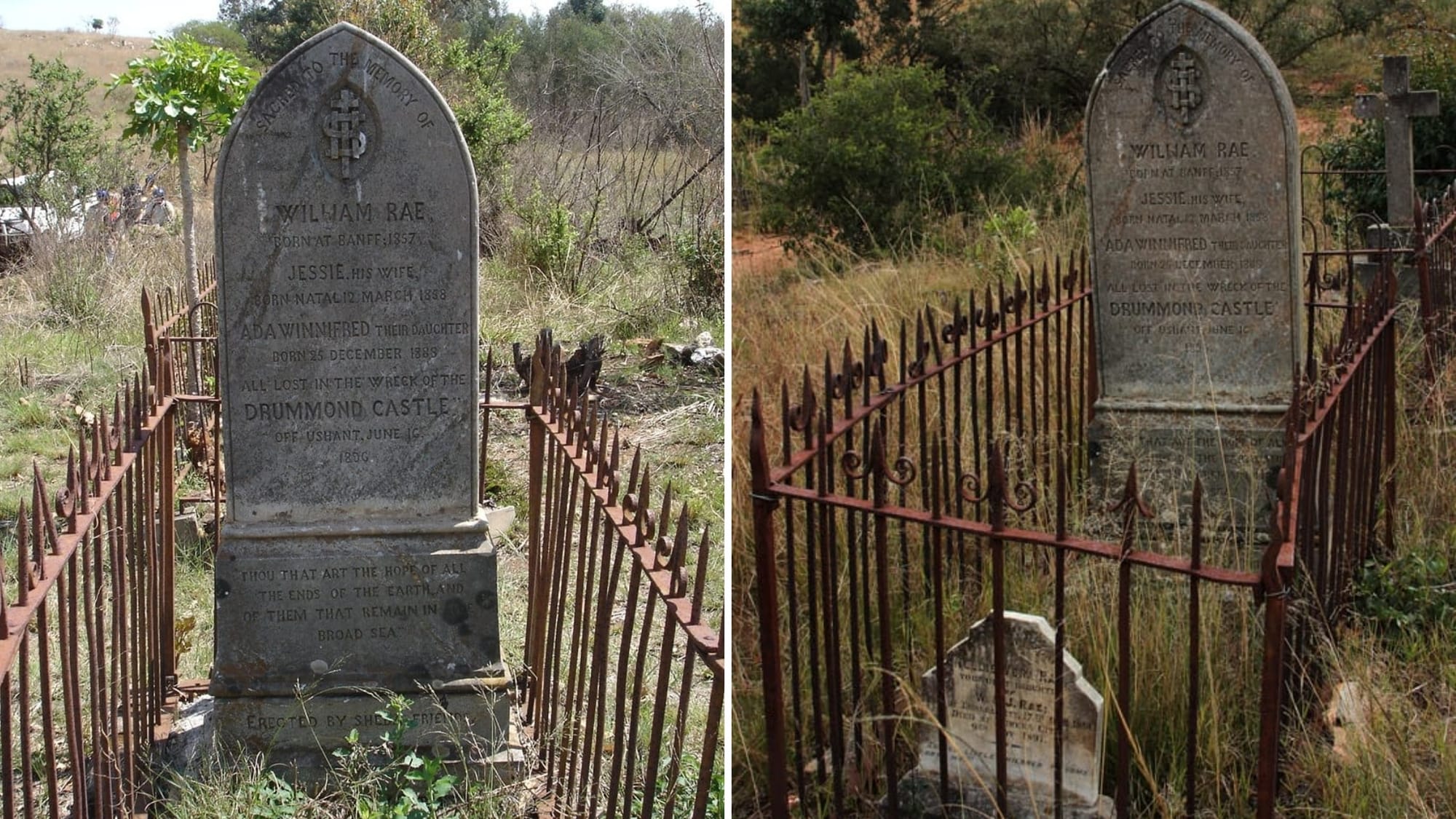
It is a poignant reminder of how transient yet deeply rooted the early mining community could be. People came from Britain, Europe and elsewhere in southern Africa, built businesses and homes in the goldfields, raised families and became part of Barberton's story.
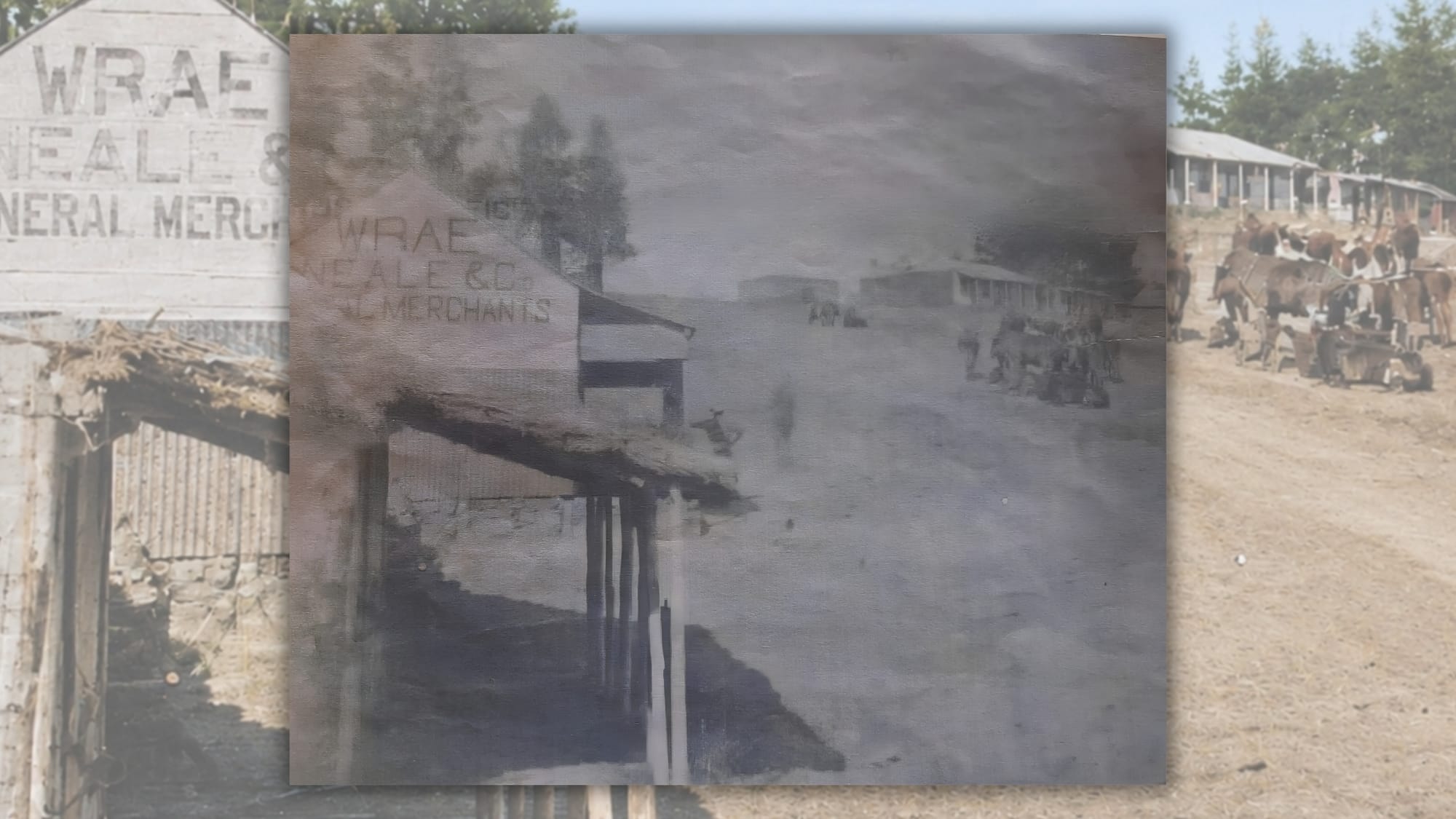
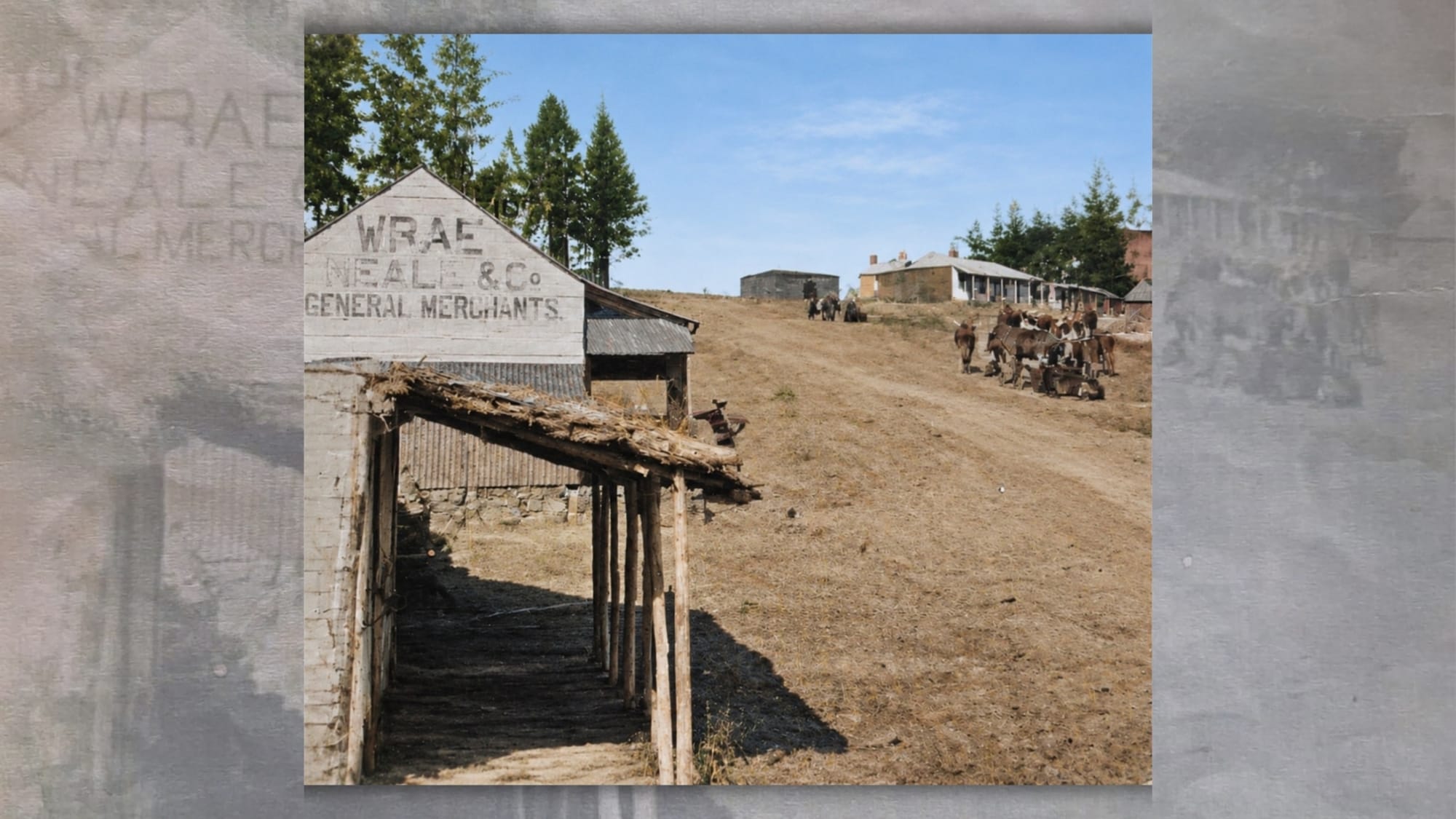
The Mercer family
The disaster also claimed members of the Mercer family. Contemporary passenger records list Mrs Mercer travelling with her children, and detailed research into the disaster identifies the family as residents of Barberton. The number of children varies between contemporary accounts, with some passenger lists recording four and later research identifying six children accompanying Mrs Mercer.
The scale of the loss is difficult to imagine. This was not simply one Barberton resident among hundreds of passengers. Entire family groups from the goldfields were making the journey together.
The Hugo family of Moodies
The Hugo family had their home at Moodies, one of the settlements associated with the Barberton goldfields. Mrs Marie Desuzinge Hugo was travelling with her four children. She was one of the victims whose body was recovered at Molène, along with some of her children. The French historical research into the disaster records that the family had lived at Moodies, where her husband, J. M. Desuzinge Hugo, worked as a commission agent or broker.
The story of the Hugo family is particularly tragic. French records describe how the body of Marie was recovered with her youngest child, while another child, three-year-old François, was also recovered and buried on Molène. Today, graves associated with some of the victims remain on the island, although inscriptions relating to the disaster have sadly disappeared over time.
Mrs Hammond and the Sheba connection
Perhaps the most tangible Barberton reminder of the disaster is found much closer to home. In the historic cemetery associated with Sheba Mine is a commemoration stone for Margaret Maud Hammond, who died on June 16, 1896. The cemetery records identify her as the wife of Frank Joseph Hammond, who had been Battery Manager at Sheba Mine and died in Barberton in 1894. Margaret was about 30 years old when she boarded the Drummond Castle. Her children were not travelling with her.
Her memorial stone therefore tells a story that is easy to miss when walking among the old graves. She was not buried there. Rather, the stone stands as a reminder of a woman whose life had been tied to the Sheba mining community but whose final resting place, if her remains were recovered, was far across the sea.
The Sheba cemetery consequently contains not only the graves of people who died in Barberton, but also a physical reminder of one of the most devastating maritime disasters to affect the town's early community.
Imagine Barberton in June 1896. News travelled slowly and there were no telephones in every home, no radio, no television and certainly no social media. Families waited for telegrams and newspapers. When information finally arrived it often contained errors or omissions.
When the news of the Drummond Castle reached South Africa, the shock was immense. A contemporary account described the news reaching Pretoria and noted that several Barberton friends were among those lost. A member representing Barberton in the Volksraad moved that the House express its sympathy with the relatives of those who had perished, specifically acknowledging the many Barberton connections.
For families and friends in the goldfields, there would have been the agonising wait for confirmation and then followed the grief.
The Drummond Castle was not merely carrying passengers from one continent to another. It was carrying a small piece of the young Transvaal mining community. Alongside them were many other passengers from South Africa, each with their own reasons for travelling and their own families waiting at the other end of the journey. The passenger lists reduce them to names on paper.
Barberton's history brings those names back to life. It reminds us that the history of Barberton was never confined to the streets, mines and gold-bearing hills of the De Kaap Valley. Its people travelled far beyond them, carrying the young town's hopes, ambitions and stories with them.
On one terrible night in 1896, several of those stories ended together in the cold waters off Ushant, but in Barberton, their names remain. That is why the old memorials matter. They allow a town to remember people who otherwise might have disappeared completely beneath the waves of history.
 Liz Thorne
 Anchen Coetzee
 Mariana Balt
 Anchen Coetzee
Comments ()