
The privilege of watching history unfold
I grew up during apartheid. As a child, that was simply the world I knew. Like every generation before us, we accepted the circumstances into which we were born because we knew nothing different.
I often think my grandmother should have written a book. She lived to the remarkable age of 103, and with her passing an entire library of memories disappeared. As children we sat for hours listening to her stories, never imagining that one day we would wish we had written every one of them down. Imagine the South Africa she knew.
She grew up in an era shaped by war and hardship. She experienced the aftermath of the Anglo-Boer War, remembered the stories of the concentration camps, survived the Great Depression and lived on a farm where an outside toilet was simply part of everyday life. She watched electricity, telephones, motorcars, television and eventually computers become part of ordinary life.
She never learnt to drive a car, but was quick to give advice if your driving was not up to standard. In her later years she would happily challenge her grandchildren to a game of golf on the computer. She had an incredible ability to adapt, no matter how much the world changed around her.
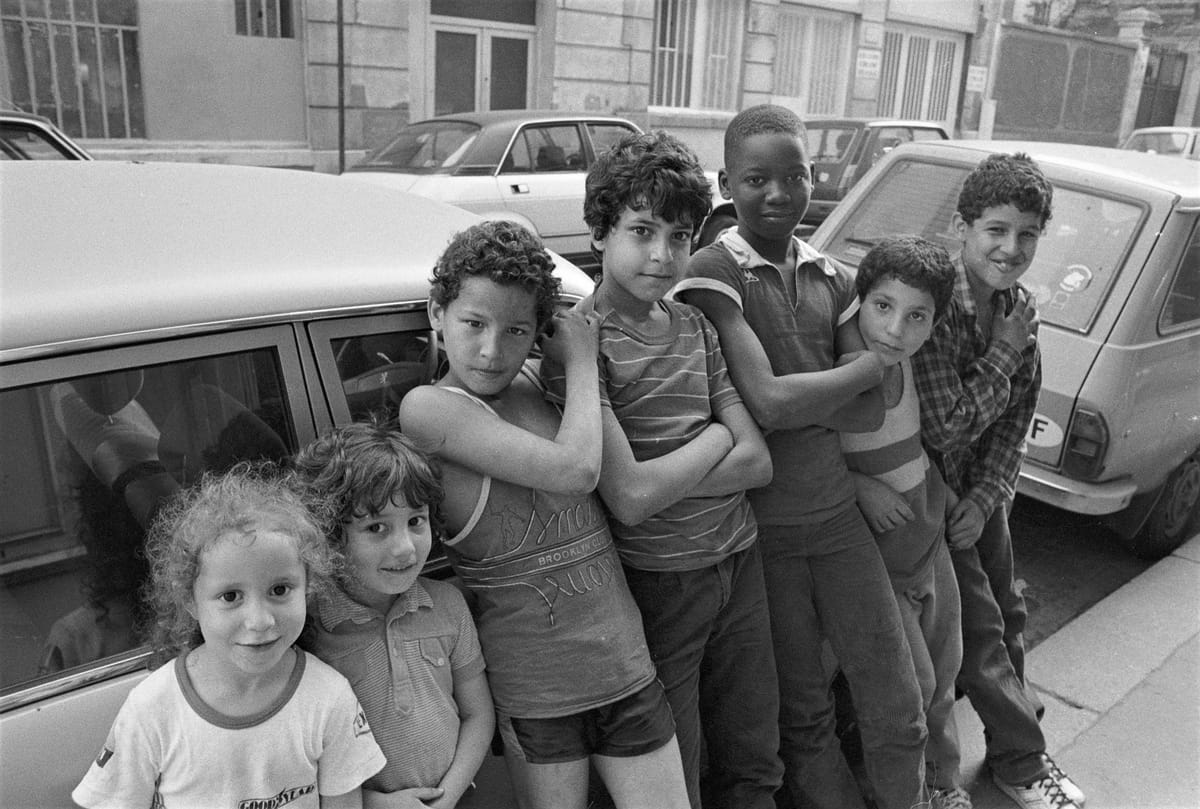
Then I look at my own life. I grew up during apartheid. As a child, that was simply the world I knew. Like every generation before us, we accepted the circumstances into which we were born because we knew nothing different. The little black children at the sawmill where my first playmates.
The first telephone in our house was those old black ones, where you asked the lady on the other side for the number you wanted. The first stove my mom cook on was a coal stove and we listened to the radio every night after supper.
I remember when television finally arrived. My father was convinced that this new invention would bring nothing but trouble into our home. Needless to say, I occasionally found myself sneaking off to the neighbours to watch Dallas.
I was a young woman when I cast my vote in South Africa's first democratic election. The optimism of those years was infectious. We believed we were witnessing the birth of a better country. Like millions of other South Africans, I had no idea what that journey would eventually look like.
In 1994, I was part of the process when schools opened to all races. It was a period of enormous change, and I remember the uncertainty, the questions and, at times, the turmoil that accompanied those first years. Change is seldom as simple as history books later make it seem.
The year 2000 arrived with predictions that computers would fail and the world might grind to a halt. It didn't. Instead, technology accelerated at a pace none of us could have imagined. Today we carry more computing power in our pockets than existed in entire office buildings when I started my career.
As a journalist, I have also witnessed another side of South Africa's story. Over the years I have reported on escalating crime, communities living in fear, businesses closing their doors and families devastated by violence. I have watched corruption rob ordinary people of opportunities they deserved. I have seen municipalities deteriorate while politicians enriched themselves. Every broken streetlight, every leaking pipe and every neglected road tells a story of promises that were never fulfilled.
Perhaps that is why I find myself asking difficult questions. Did we become the South Africa so many dreamed of in 1994? Have we used our freedom wisely? Could we have done better?
I don't pretend to have all the answers. History is rarely black and white. The South Africa of my childhood had deep injustices that could not continue unchanged. At the same time, I believe it is fair to ask whether we have built institutions that truly serve all our people. It is also fair to question whether our leaders have honoured the trust placed in them.
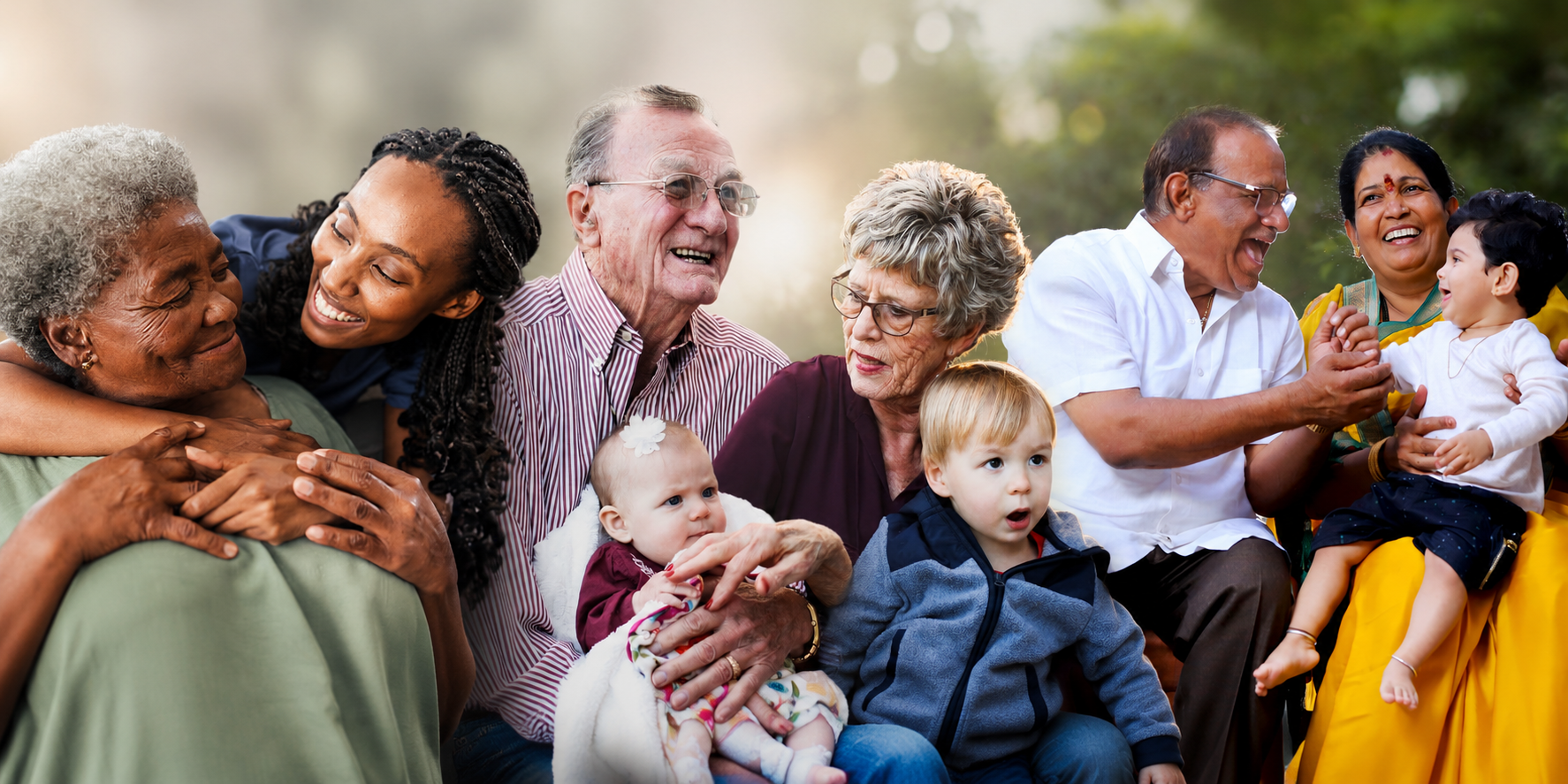
As I enter what is probably the last stretch of my own journey, I catch myself saying the words I once laughed at: "When I was young..."
Perhaps every generation does, but my greatest concern is not for myself. It is for my grandchildren. Will they inherit a country that offers opportunity, safety and hope? Will they be able to build their futures in the land of their birth, or will they, like so many talented young South Africans, look elsewhere?
I sincerely hope they choose to stay. I hope they experience a South Africa that finally lives up to the dreams of every generation that came before them. Maybe one day they, too, will tell stories to their own grandchildren about the remarkable country they watched change before their eyes.
I only hope those stories end on a happier note than many of us dare imagine today. Staying positive does not come that easily to me anymore.
𝓛𝔂𝓷𝓮𝓽𝓽𝓮.



 Liz Thorne
 Naomi Roebert
 Mariana Balt
 Anchen Coetzee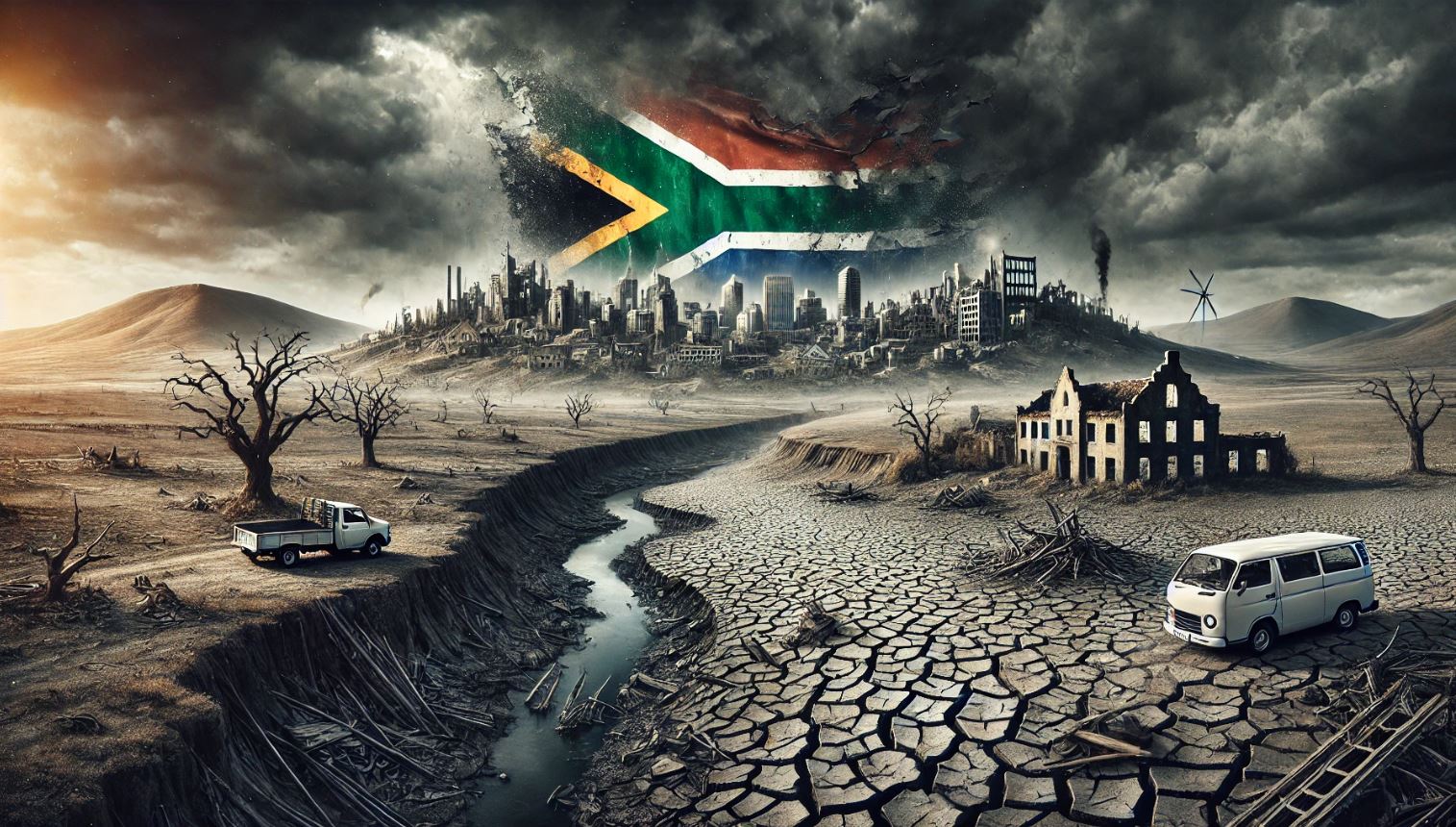
Comments ()