
Step back in time at the Barberton Museum
Established in 1898, the Barberton Museum began with a modest collection of geological samples but has since grown into a remarkable heritage complex that preserves the story of Barberton, its people, and its world-famous geological significance.
With International Museum Day celebrated on May 22, there could hardly be a better time to shine a spotlight on one of Barberton’s most treasured heritage institutions: Barberton Museum.
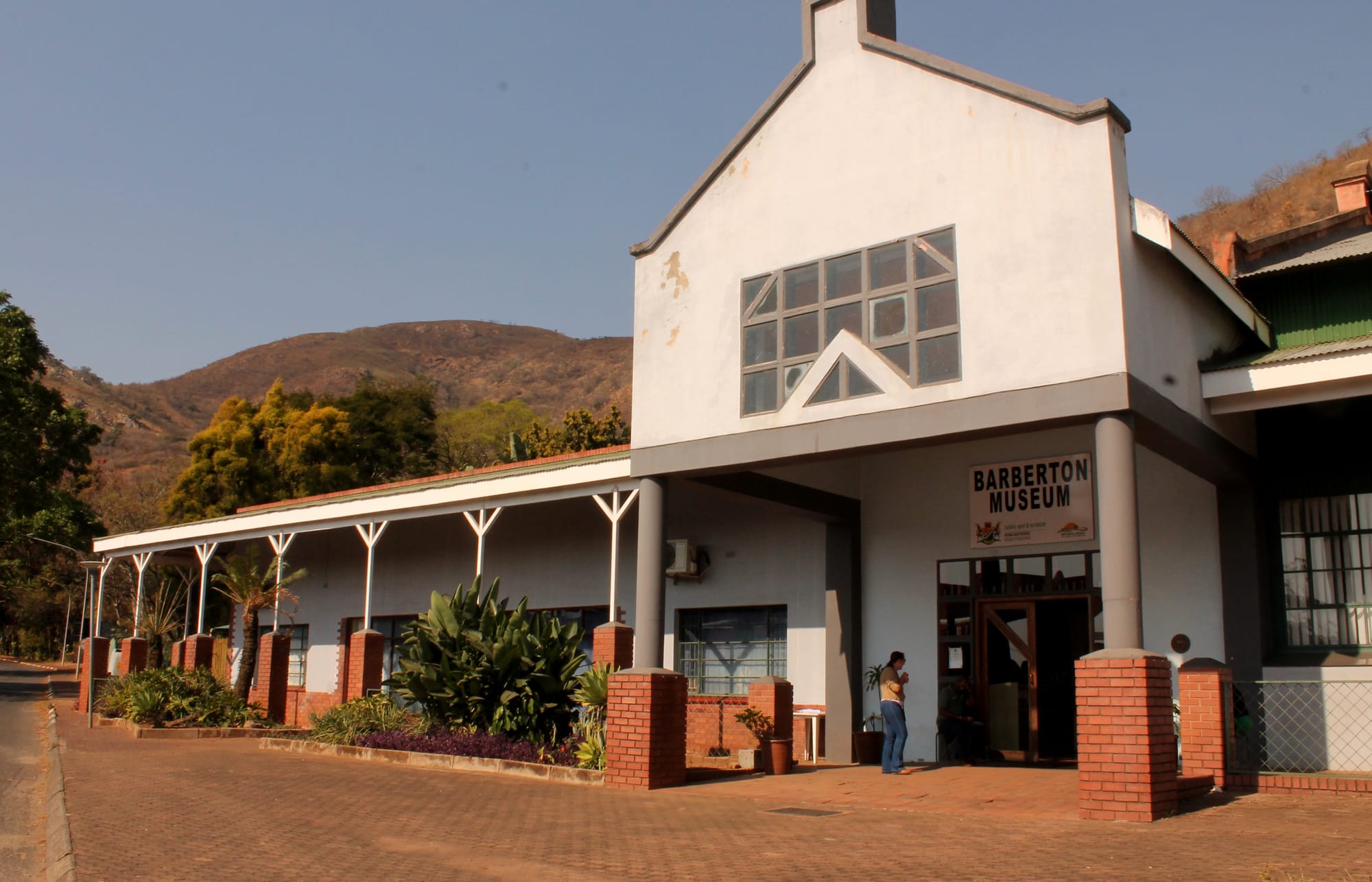
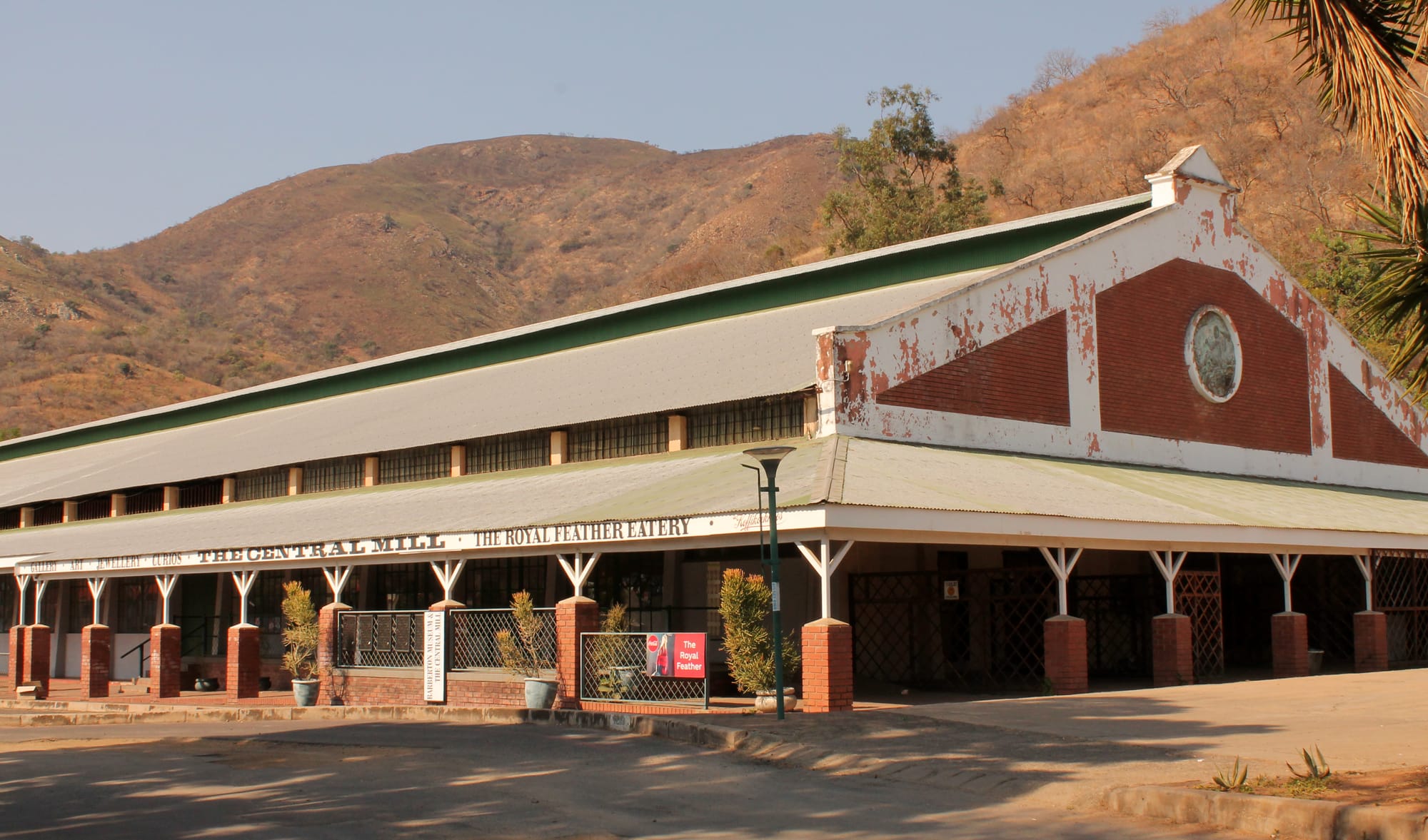
Established in 1898, the Barberton Museum began with a modest collection of geological samples but has since grown into a remarkable heritage complex that preserves the story of Barberton, its people, and its world-famous geological significance.
Today, the museum complex includes several historic sites and house museums, each offering visitors a glimpse into different chapters of Barberton’s colourful past. These include Belhaven House, Stopforth House, and Fernlea House. All of the museum houses can be found on the Heritage Walk through town.
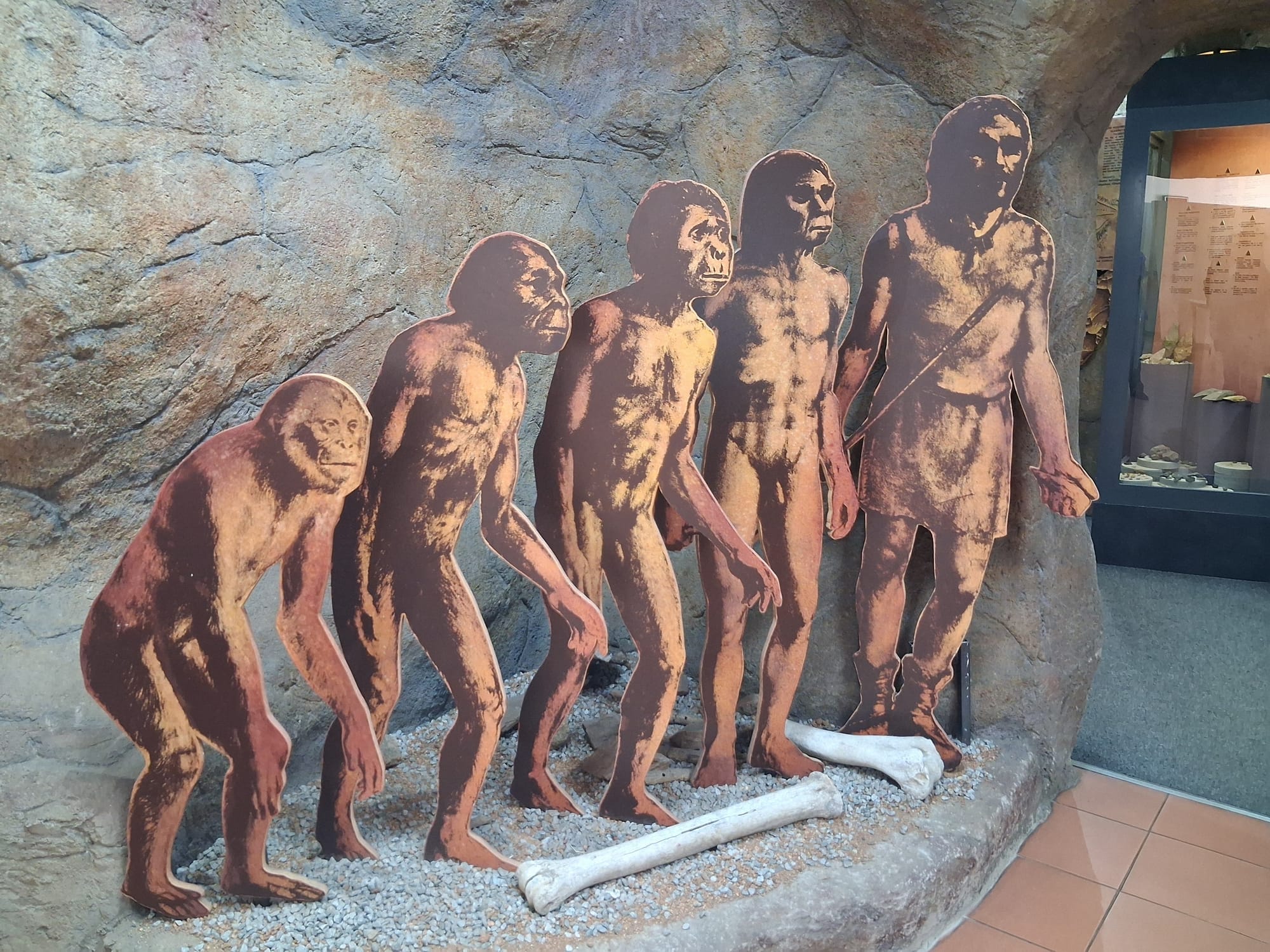
The main museum, situated in Pilgrim Street, in what used to be the old Bias Building, focuses on the general and cultural history of Barberton and the surrounding De Kaap Valley. Visitors can explore exhibitions on:
* Mining and geology
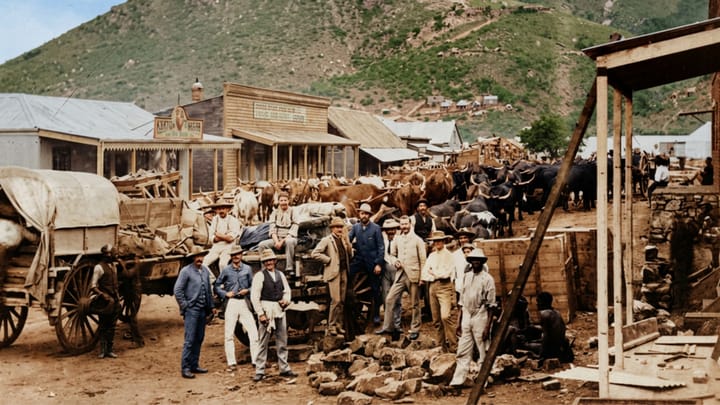
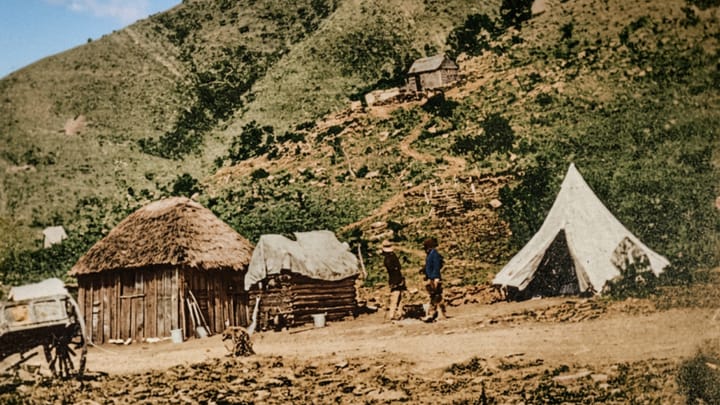
* Barberton's gold rush history
* Some of the oldest rocks in the world
* Stone Age and Iron Age artefacts
* Military history
* Victorian life in Barberton
* The cultural heritage of the emaSwati people.
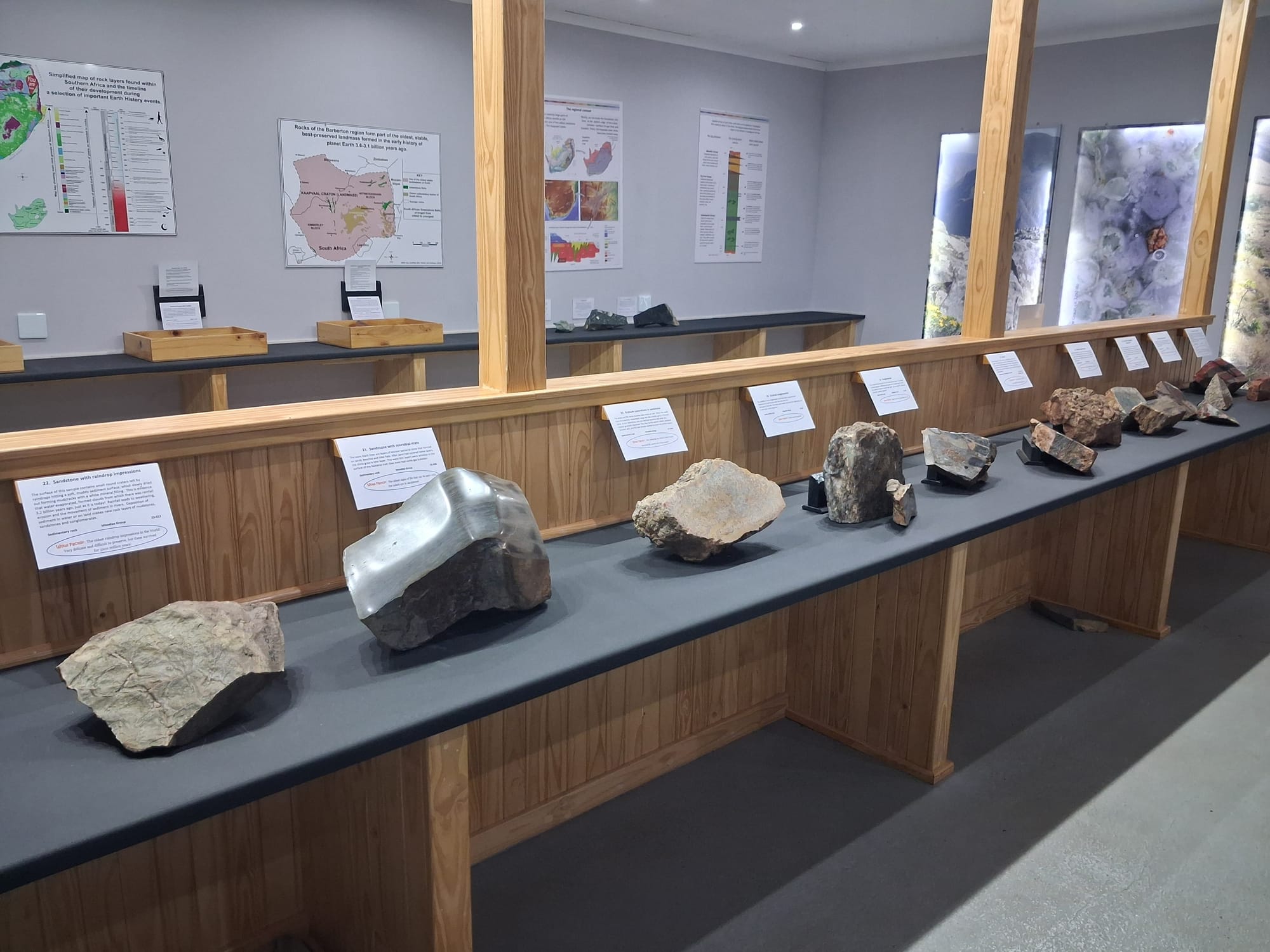
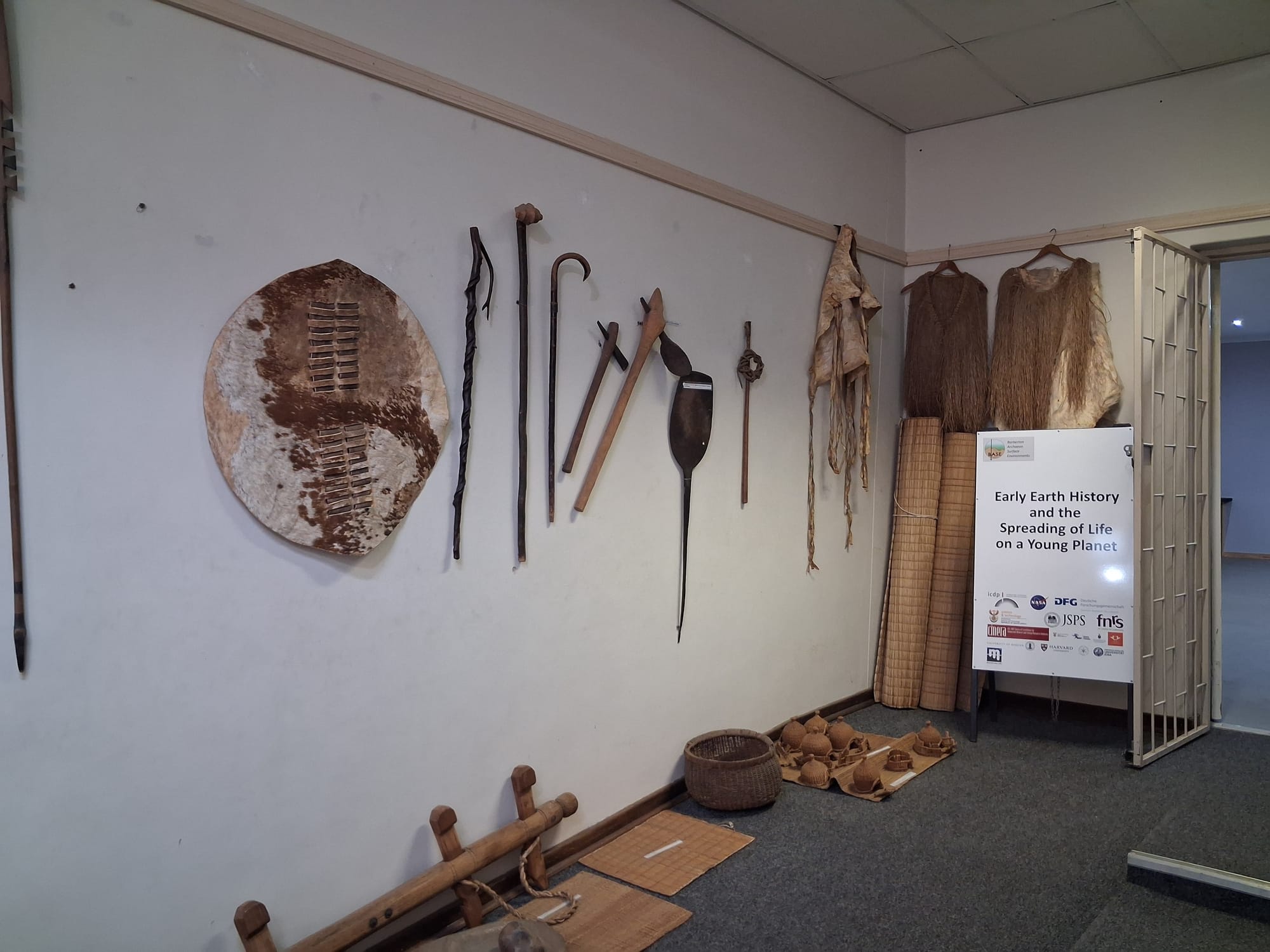
One of the museum’s greatest strengths is how it connects Barberton’s international geological importance with the everyday stories of the families who once lived here. The museum archives also contain old newspapers dating back to 1886, historical photographs, property records, mining artefacts and personal family documents donated over many years.
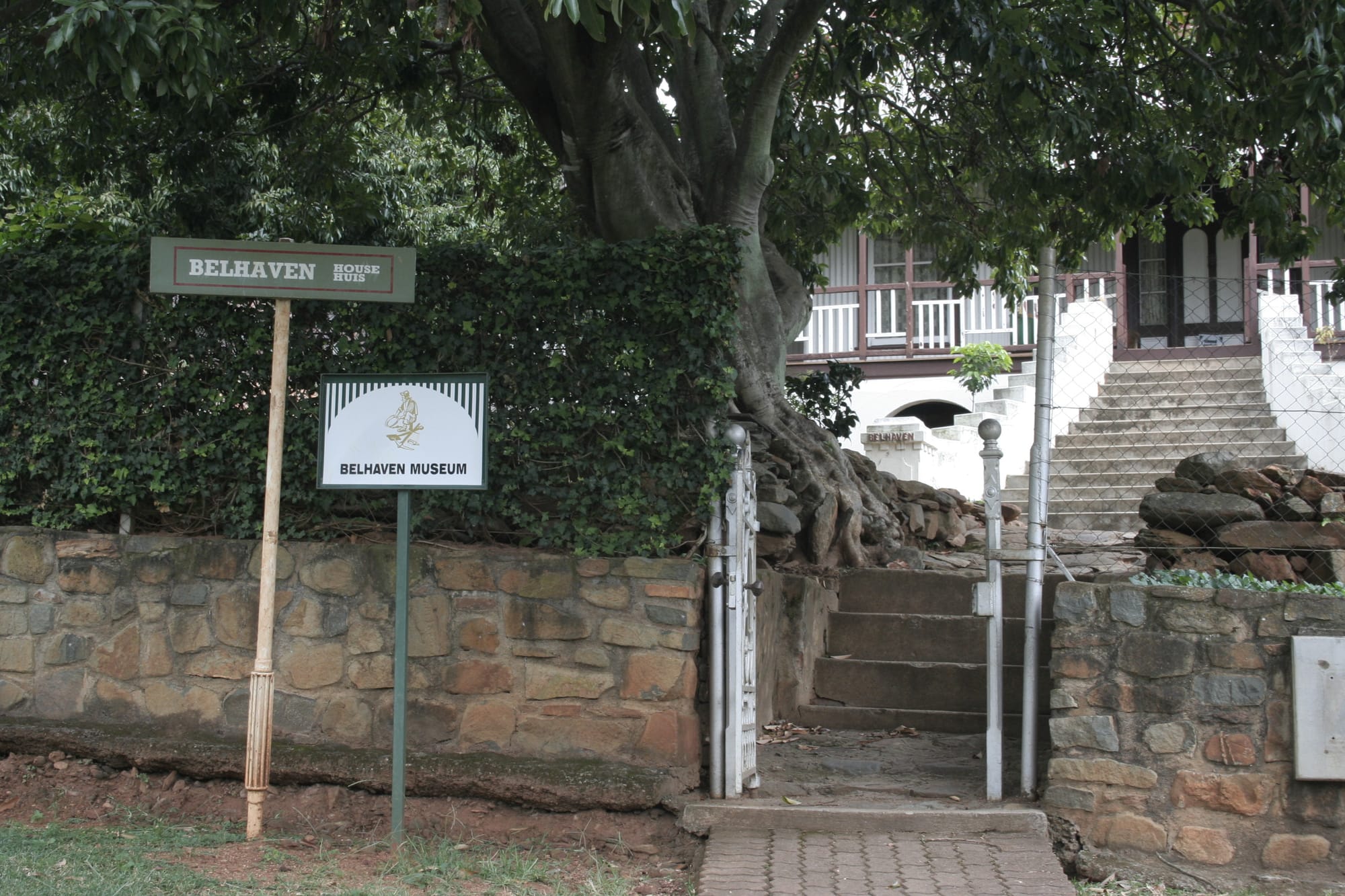
A highlight for many visitors is the beautifully preserved Belhaven House. Built in 1904 during Barberton’s mining boom, the prefabricated home reflects the lifestyle of a wealthy upper-middle-class family during the late Victorian and Edwardian periods. What makes the house particularly unique is its pressed steel walls and ceilings, believed to be among the only complete examples of their kind in South Africa.
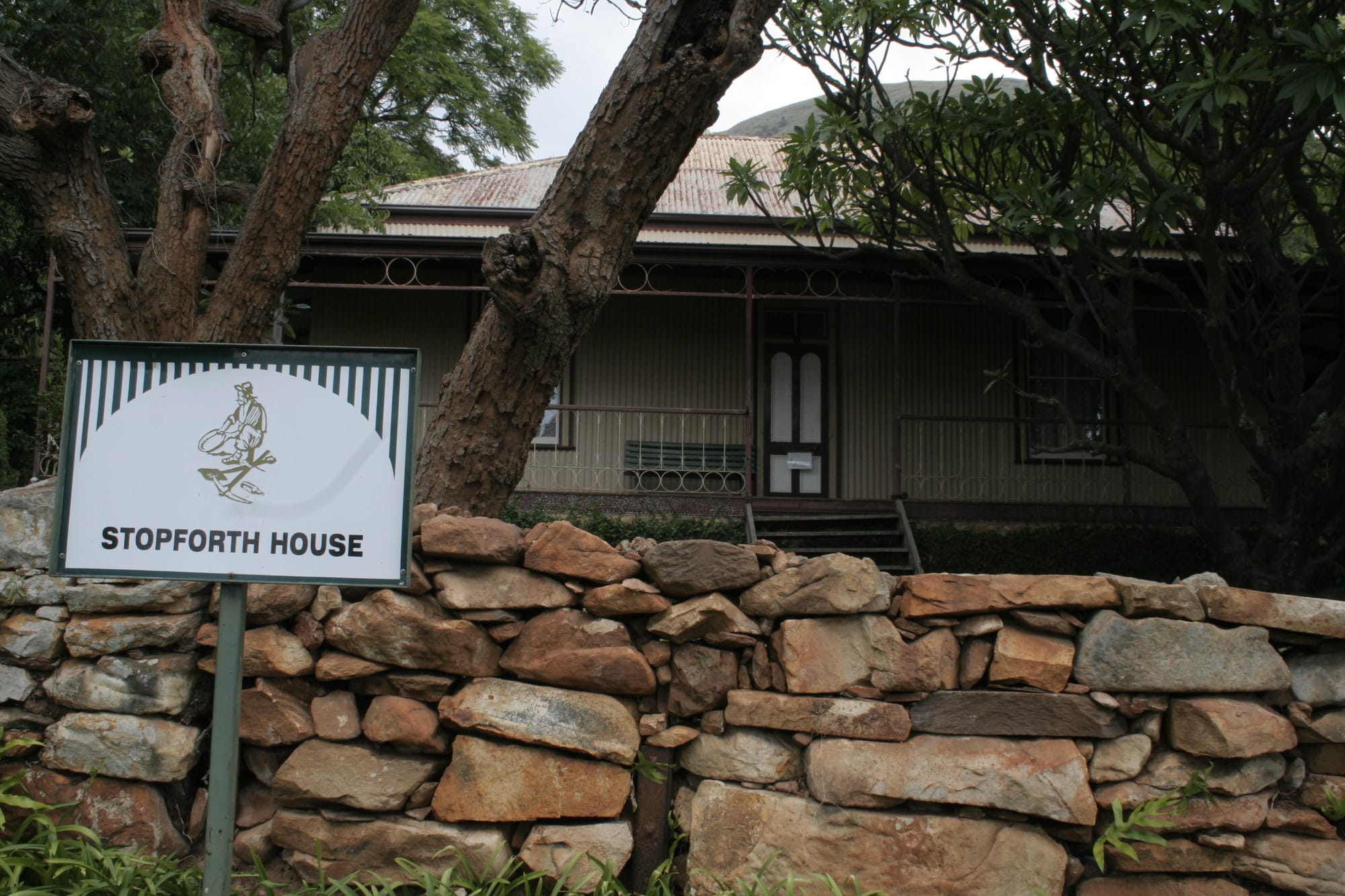
Another fascinating stop is Stopforth House, one of Barberton’s oldest surviving wood-and-iron homes. Built in 1886 by James Stopforth, the house remained in the family for nearly a century and still contains many original household items and furnishings, offering visitors an authentic look into everyday pioneer life during the gold rush era.
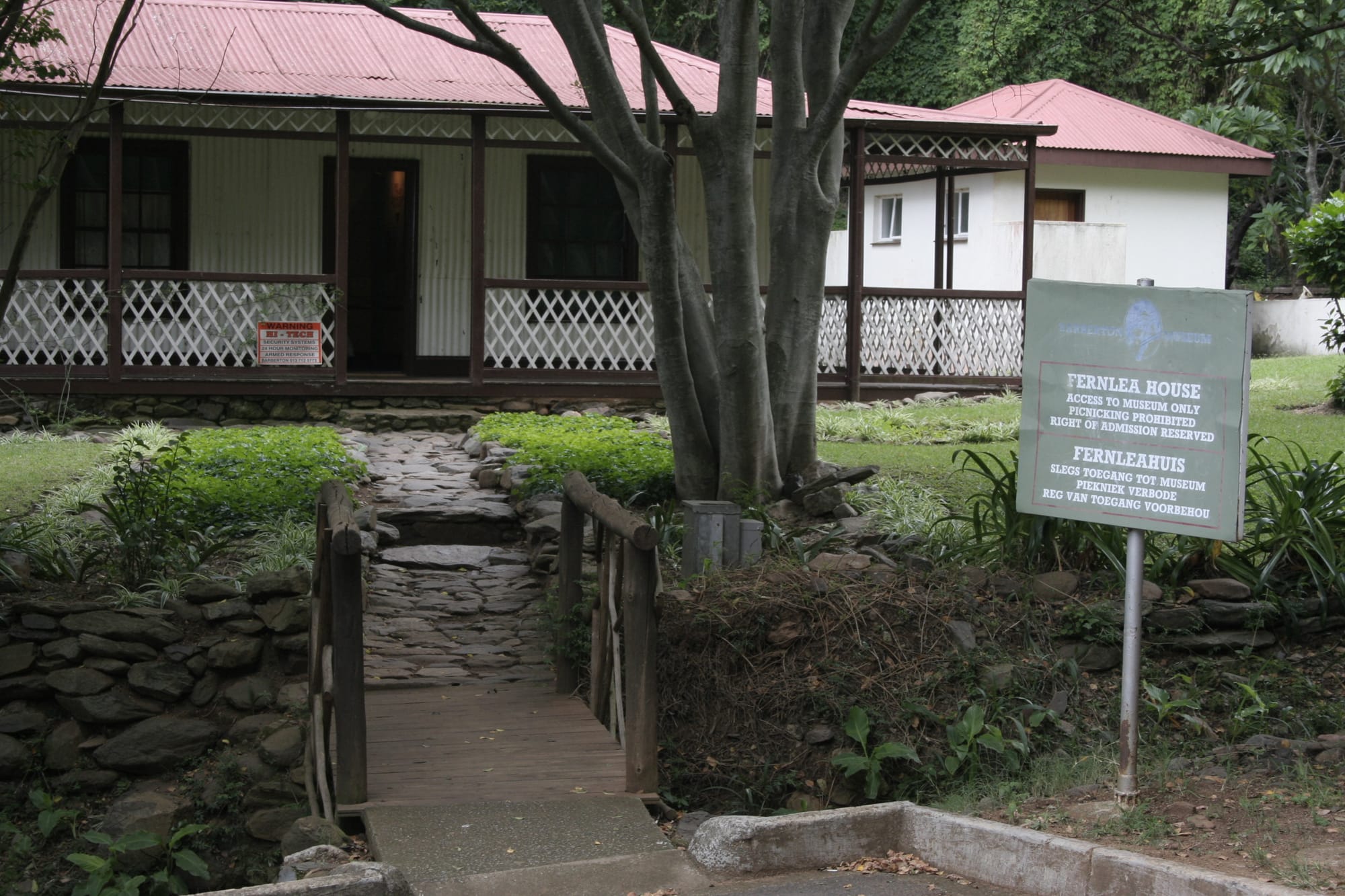
Fernlea House adds another dimension to the museum experience. Built in the early 1890s for Emily Fernandez, the building today hosts exhibitions on Barberton’s botany, Rimer’s Creek, and the restoration of the historical home itself.
The museum complex also forms the starting point of the Barberton Heritage Walk, a self-guided route through the town’s historic centre. The walk takes visitors past landmarks such as the old stock exchange façade, the Blockhouse from the Anglo-Boer War, heritage churches and several preserved Victorian-era buildings.
Beyond preserving buildings and artefacts, the museum plays an important educational role. School tours and lectures are regularly presented, teaching learners about local history, archaeology, geology, cultural diversity and South Africa’s heritage.
International Museum Day serves as an important reminder that museums are far more than old buildings filled with artefacts. They are living storytellers that protect the identity and memory of communities. In Barberton, a town deeply rooted in gold rush history and ancient geology, the museum complex ensures that future generations can still experience and understand the stories that shaped the town and the broader Lowveld.
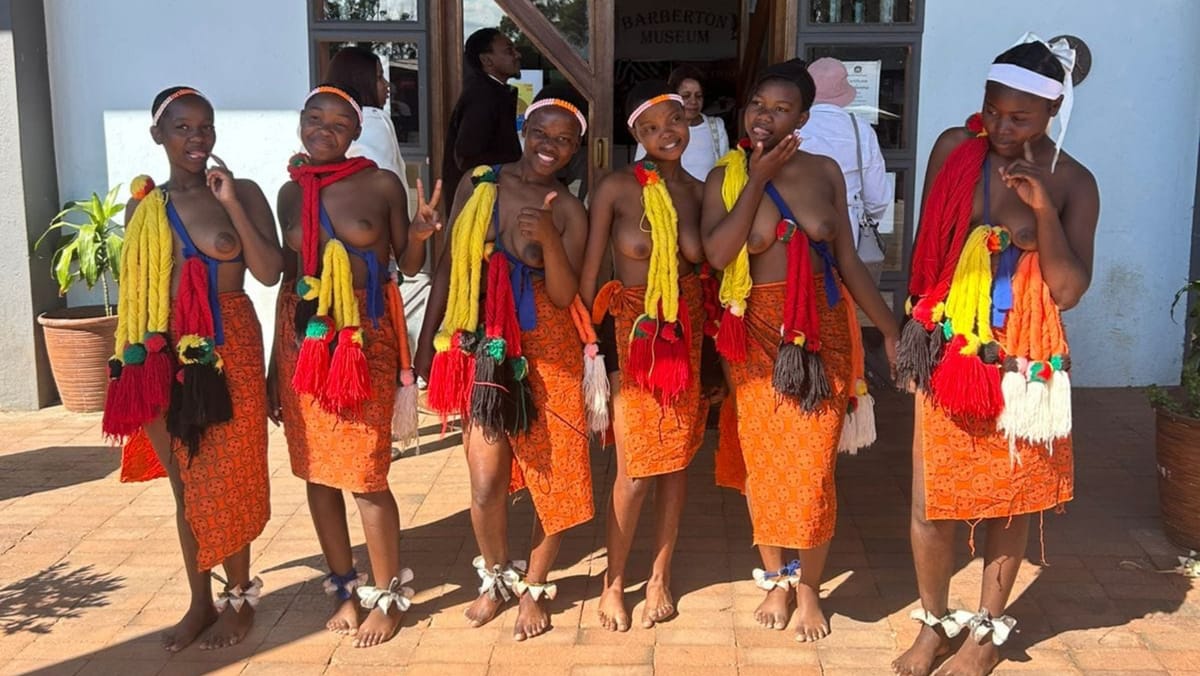
The staff at Barberton museum celebrated international museum day with a short ceremony and some dancing by a group from Emjindini Trust. It was also an opportunity of pupils of schools to visit the museum and experience what it has to offer.
For many locals, the museum is easy to overlook because it has always been there. Yet visitors from across South Africa and overseas continue to discover Barberton’s unique heritage through its museums, historic homes and heritage walk. As International Museum Day is celebrated, perhaps it is also an opportunity for local residents to rediscover the remarkable history right on their doorstep.

Comments ()