
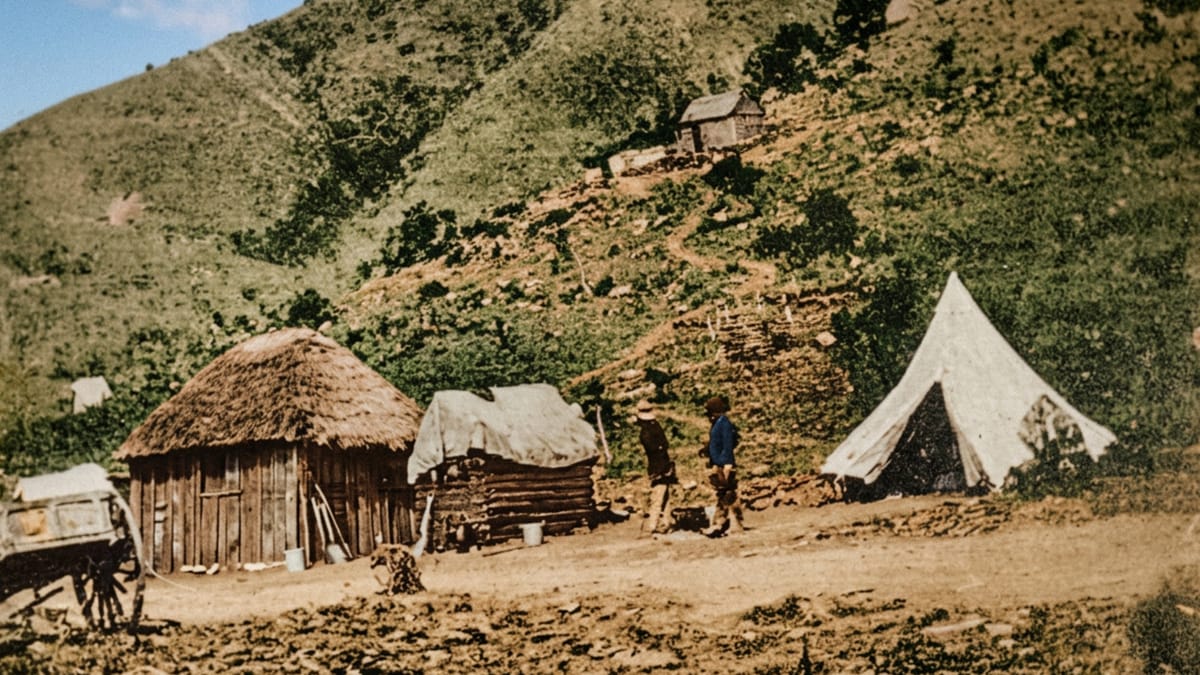
In 1884, everything changed. Before there was a gold rush, there was a valley. Before there was Barberton, there were communities.


Part 3 of a 3-part series exploring the history of the De Kaap Valley before the gold rush.
For centuries, the De Kaap Valley was a place where life moved at nature's pace. Families lived among the mountains, cattle grazed on the slopes, and communities relied on the rivers and fertile land that had sustained generations before them.
The valleys and passes that today form part of Barberton's rich heritage were already well known to the people who called this region home. Then, in 1884, news of a discovery hidden beneath the soil and riverbeds of the De Kaap Valley began to spread. At first it was little more than rumour, carried by travellers, traders and prospectors. But as reports of promising gold finds multiplied, the rumours quickly turned into a frenzy that would alter the course of the valley's history forever.
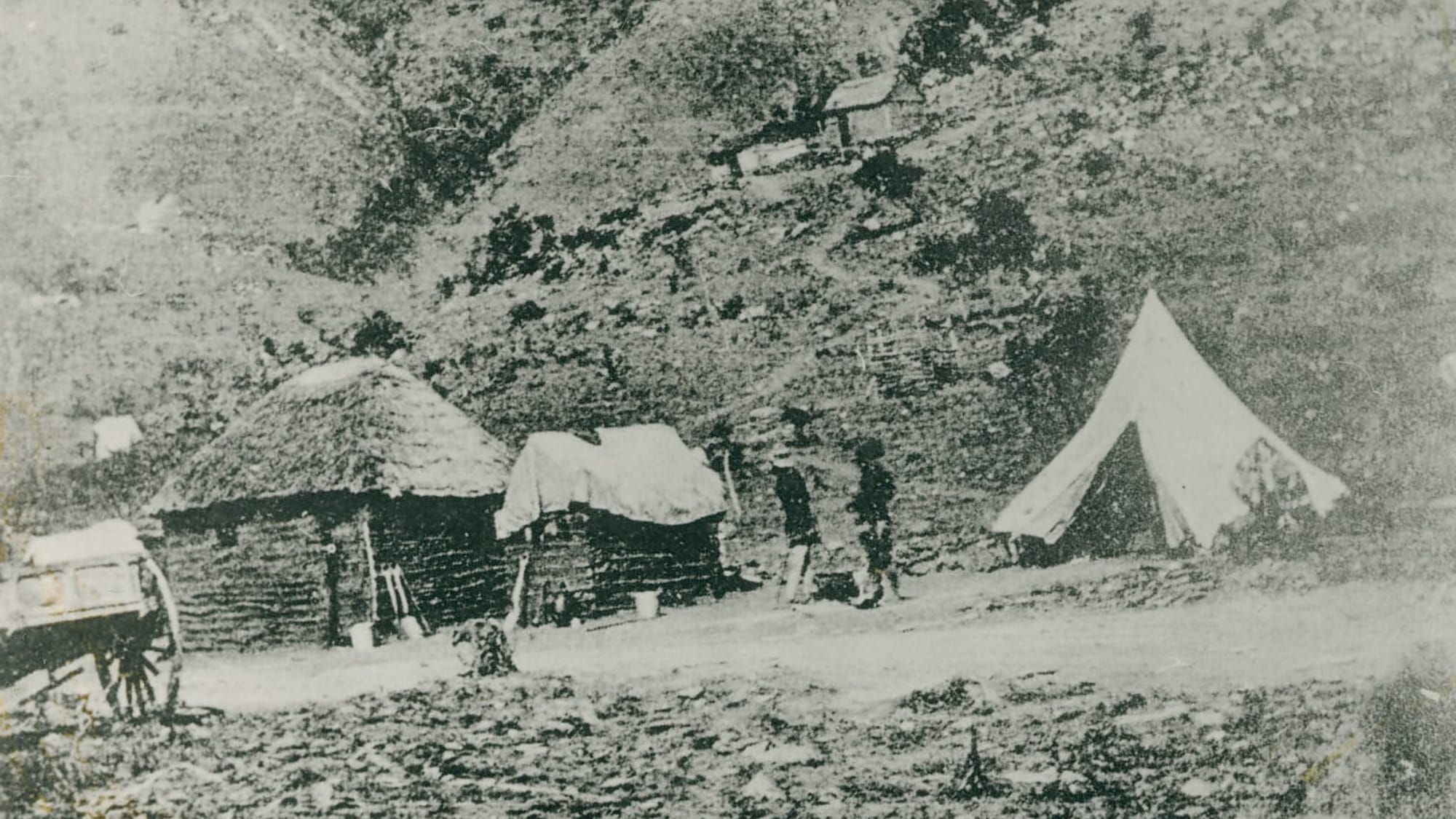
Within months, men from across southern Africa and far beyond were making their way towards the rugged hills of the eastern Transvaal. Some arrived with wagons laden with supplies, others with little more than a pick, a shovel and the hope of striking it rich. They came from Britain, Australia, Europe and elsewhere in South Africa, all drawn by the possibility of finding their fortune in a region that many had never heard of only a few years earlier.
What followed was one of the most dramatic transformations the area had ever witnessed. Places that had once been quiet grazing lands suddenly became crowded with prospectors. Temporary camps sprang up almost overnight along rivers and streams as hundreds, and then thousands, of diggers searched for signs of gold. The sound of cattle bells and everyday village life was increasingly accompanied by the noise of mining activity, wagon traffic and the constant movement of newcomers pouring into the valley.
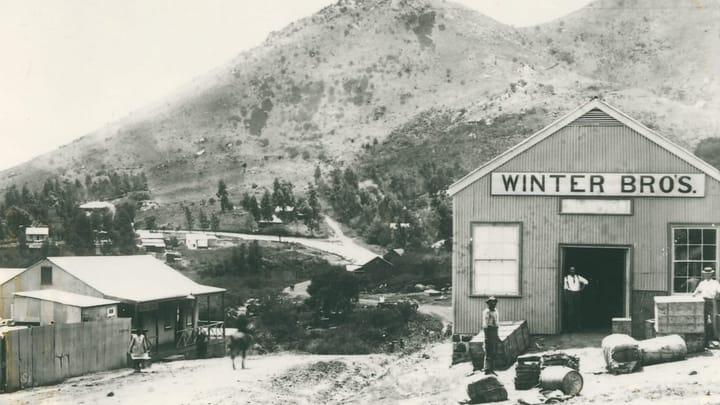
The discovery of gold did more than attract prospectors. It brought merchants, investors, transport riders, traders and entrepreneurs, all eager to benefit from the opportunities that accompanied the mining boom. Businesses opened wherever there was a chance of making a profit, and what had begun as a scattering of rough mining camps soon evolved into permanent settlements.
Among these settlements was the town that would become Barberton.
Almost overnight, Barberton found itself at the centre of one of the country's most exciting gold rushes. Hotels, stores, banks and newspaper offices appeared as the population swelled. Investors rushed to buy shares in mining companies, while stories of spectacular discoveries fuelled even greater excitement. For a brief period, Barberton became one of the most talked-about destinations in southern Africa, attracting adventurers and fortune seekers from around the world.
Yet while the gold rush brought wealth and opportunity to some, it also marked a period of profound change for the communities that had lived in the region long before the arrival of the miners.
As mining expanded, the landscape itself began to change. Areas previously used for grazing and farming became occupied by mining operations, while new roads and transport routes altered traditional patterns of movement through the valley. The sudden arrival of thousands of outsiders introduced new languages, customs and economic systems, creating a very different environment from the one that had existed only a few years before.
For local communities, the gold rush was not simply an exciting chapter in history. It represented the arrival of a new world. Some found employment in the growing mining economy as labourers, transport riders, domestic workers and traders, while others experienced the disruption that inevitably accompanied such rapid development.
The De Kaap Valley was becoming connected to a much larger world. Money flowed through the region in unprecedented amounts, trade expanded and the area's fortunes became increasingly tied to events taking place far beyond its mountains and rivers. What had once been a relatively remote corner of the Transvaal was now attracting international attention.
The story of the gold rush is often told through the lens of prospectors, mining companies and spectacular fortunes won or lost. Those stories remain an important part of Barberton's heritage and help explain why the town occupies such a significant place in South African history. However, understanding the history of the De Kaap Valley requires looking beyond the gold itself.
As this three-part series has shown, the valley already had a rich and complex history before the first mining claims were pegged. Long before Barberton appeared on a map, Swazi communities were living, farming, raising cattle and building lives beneath the shadow of the Makhonjwa Mountains. They knew the rivers that prospectors would later search for gold and travelled the mountain passes that would eventually become routes into the booming goldfields.
The discovery of gold did not create history in the De Kaap Valley. Rather, it transformed an existing history, ushering in a new era that would permanently reshape the landscape and the people who lived there.
Today, as residents and visitors admire Barberton's historic buildings, museums and mining heritage, it is worth remembering that the story of the valley stretches much further back than the gold rush. The history of the De Kaap is not solely a story of mines and fortunes. It is a story of people, cultures and communities whose lives intersected in one remarkable corner of South Africa.
And that story continues to unfold to this day.
 Mariana Balt
 Naomi Roebert
 Liz Thorne
Comments ()