
Royal Albert Hall was once the beating heart of Barberton's gold rush
The Royal Albert Hall opened its doors on July 17, 1887, at a time when Barberton was flourishing as one of South Africa's richest goldfields.
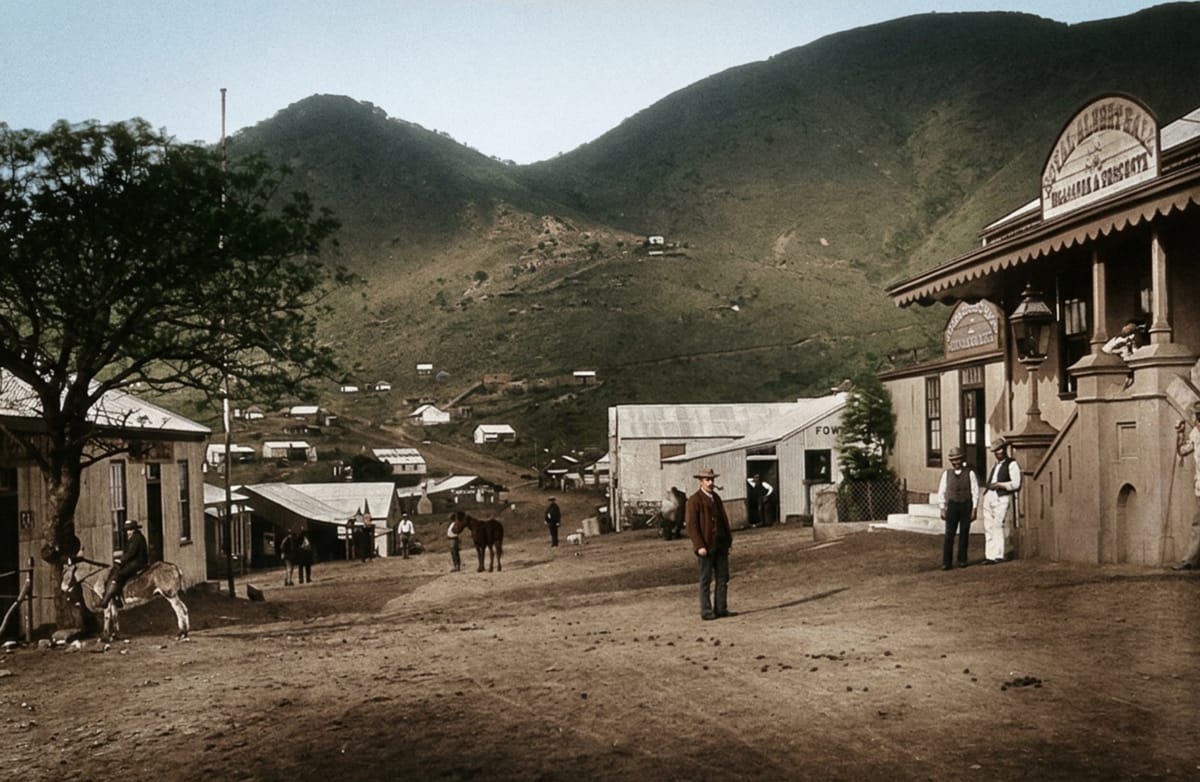



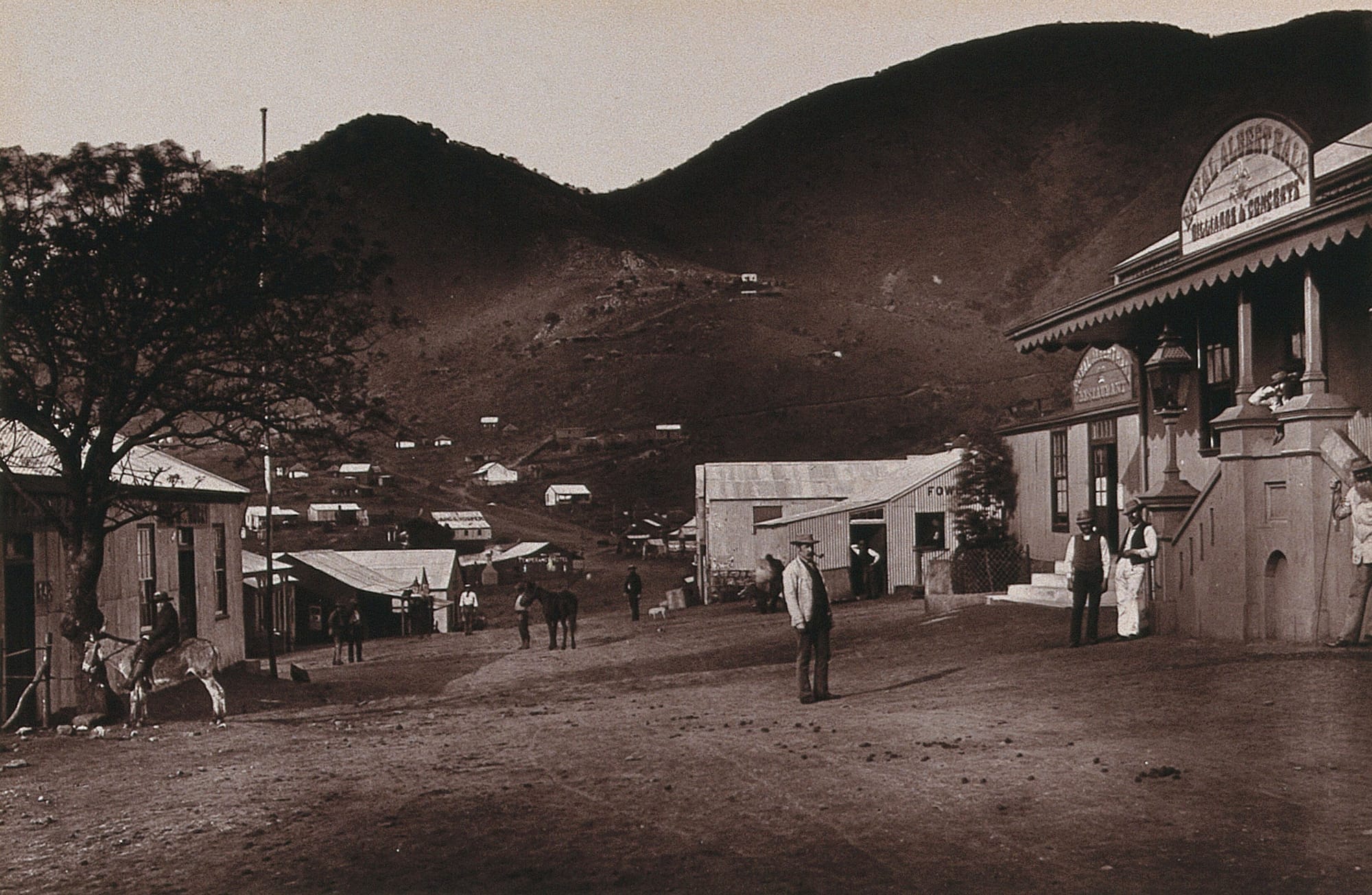
If the walls of Barberton's long-lost Royal Albert Hall could speak, they would tell stories of glittering concerts, bustling dances, boisterous miners celebrating newfound fortunes and, later, the voices of schoolchildren learning their lessons. Few buildings in Barberton's history experienced such a remarkable transformation in so short a time.
Long before cinemas, community halls and modern entertainment venues, Barberton boasted a place where miners, prospectors, businessmen and travellers gathered to escape the hardships of life on the goldfields. It was known as the Royal Albert Hall, and although it stood for only a brief period, it became one of the town's most famous landmarks during the exciting days of the late 1880s.
The Royal Albert Hall opened its doors on July 17, 1887, at a time when Barberton was flourishing as one of South Africa's richest goldfields. The discovery of gold had transformed what had once been quiet bushveld into a bustling frontier town almost overnight. Thousands of hopeful fortune seekers arrived from across the world, bringing with them not only dreams of striking it rich but also a desire for entertainment after long days spent working on the surrounding diggings.
The driving force behind the Royal Albert Hall was one of Barberton's most colourful and remarkable residents, Elizabeth Lloyd, better known to history as Cockney Liz.
Originally from London's East End, she arrived in Barberton searching for her fiancé, but also with little more than determination, charm and an entrepreneurial spirit. She began working as a barmaid and entertainer at the Red Light Canteen, where her singing voice and lively personality quickly made her a favourite among the miners.
Cockney Liz proved to be far more than an entertainer. Through hard work and astute business sense she eventually acquired the Red Light Canteen herself, becoming one of the wealthiest businesswomen on the Barberton goldfields. Recognising the growing demand for quality entertainment, she invested her earnings in the construction of the Royal Albert Hall, creating what was considered one of the finest entertainment venues in the young mining town.
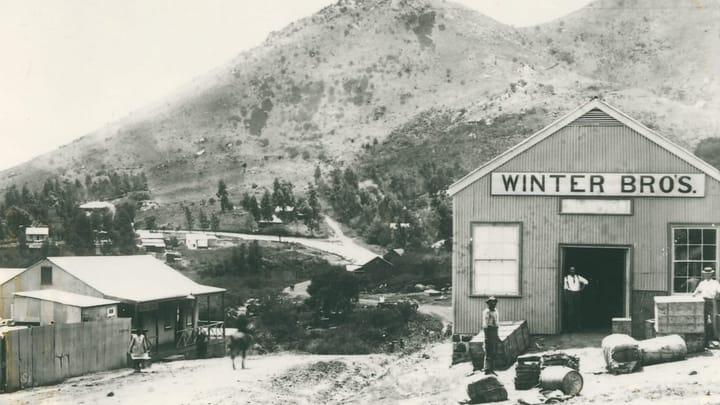
The impressive building measured approximately 18 metres by 12 metres and was constructed from timber and corrugated iron, materials commonly used in the rapidly expanding settlements of the era. Despite its relatively simple construction, the hall was regarded as an elegant venue. Visitors entered through a grand frontage into a spacious auditorium where concerts, musical performances, dances and variety shows were regularly staged. The building also housed billiard tables, a bar and social areas where patrons could gather to relax and exchange news from the diggings.
At a time when life on the goldfields was often physically demanding and uncertain, the Royal Albert Hall offered a welcome escape. It quickly became one of the social centres of Barberton, attracting not only miners but also merchants, government officials and visitors passing through the booming town. On any given evening the hall would have echoed with music, laughter and conversation, reflecting the optimism and excitement that characterised Barberton during its early years.
Yet, like many stories born from the gold rush, the Royal Albert Hall's glory days were surprisingly short-lived. Cockney Liz left Barberton in 1888, only a year after the hall had opened. Although her departure marked the end of an era, the building itself continued to serve the community in unexpected ways.
For a period, the Royal Albert Hall became Barberton's government school. Before permanent school buildings had been erected, local children attended lessons within the same walls that had recently hosted concerts and theatrical performances. It was a practical solution in a rapidly growing town where public facilities often had to adapt to changing needs.
Later, prominent local businessman James Stopforth purchased the building. He removed its distinctive front steps and converted the former entertainment venue into a grocery store and bakery overlooking Market Square. The transformation reflected Barberton's gradual transition from the exuberance of a gold rush settlement to a more established and permanent community.
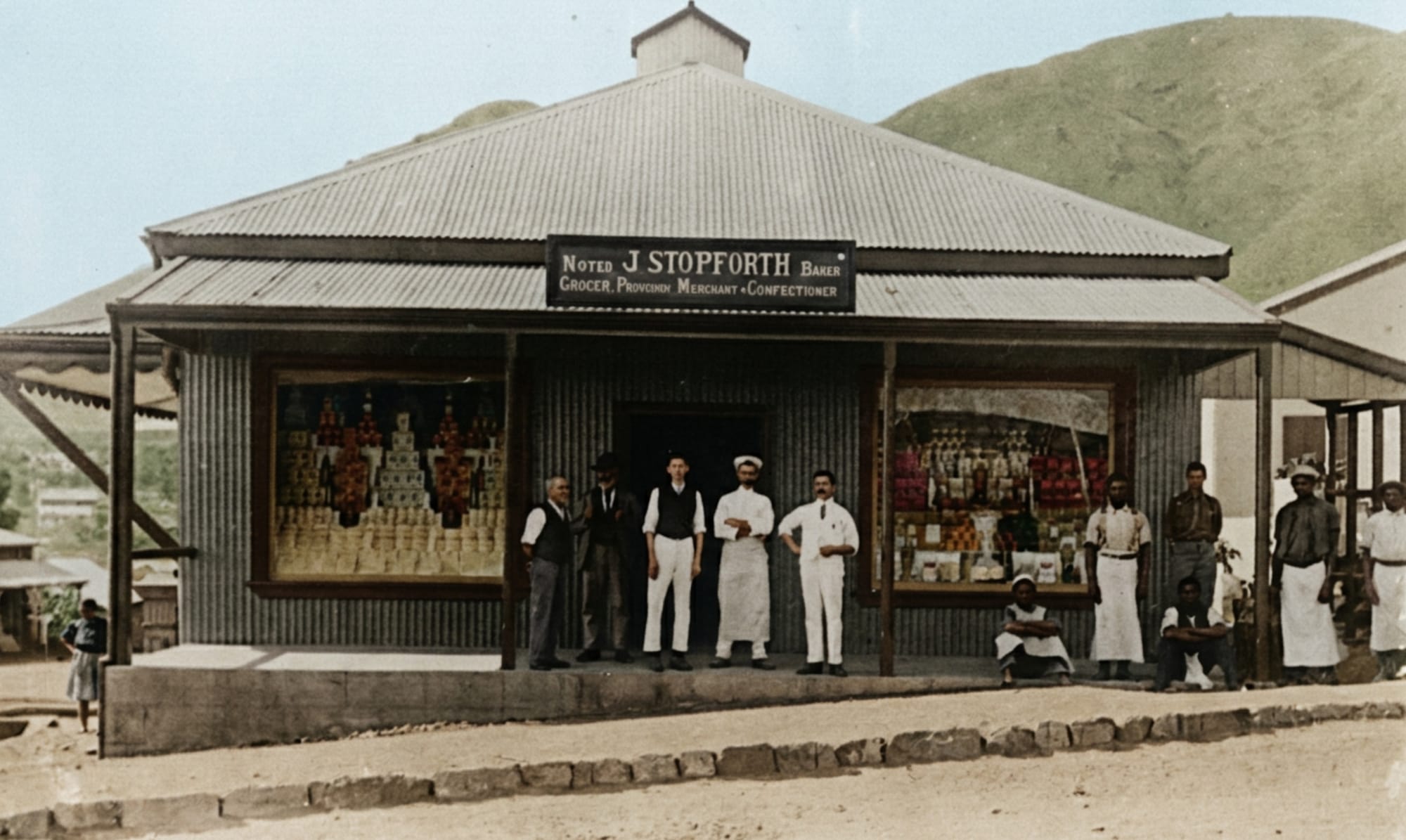
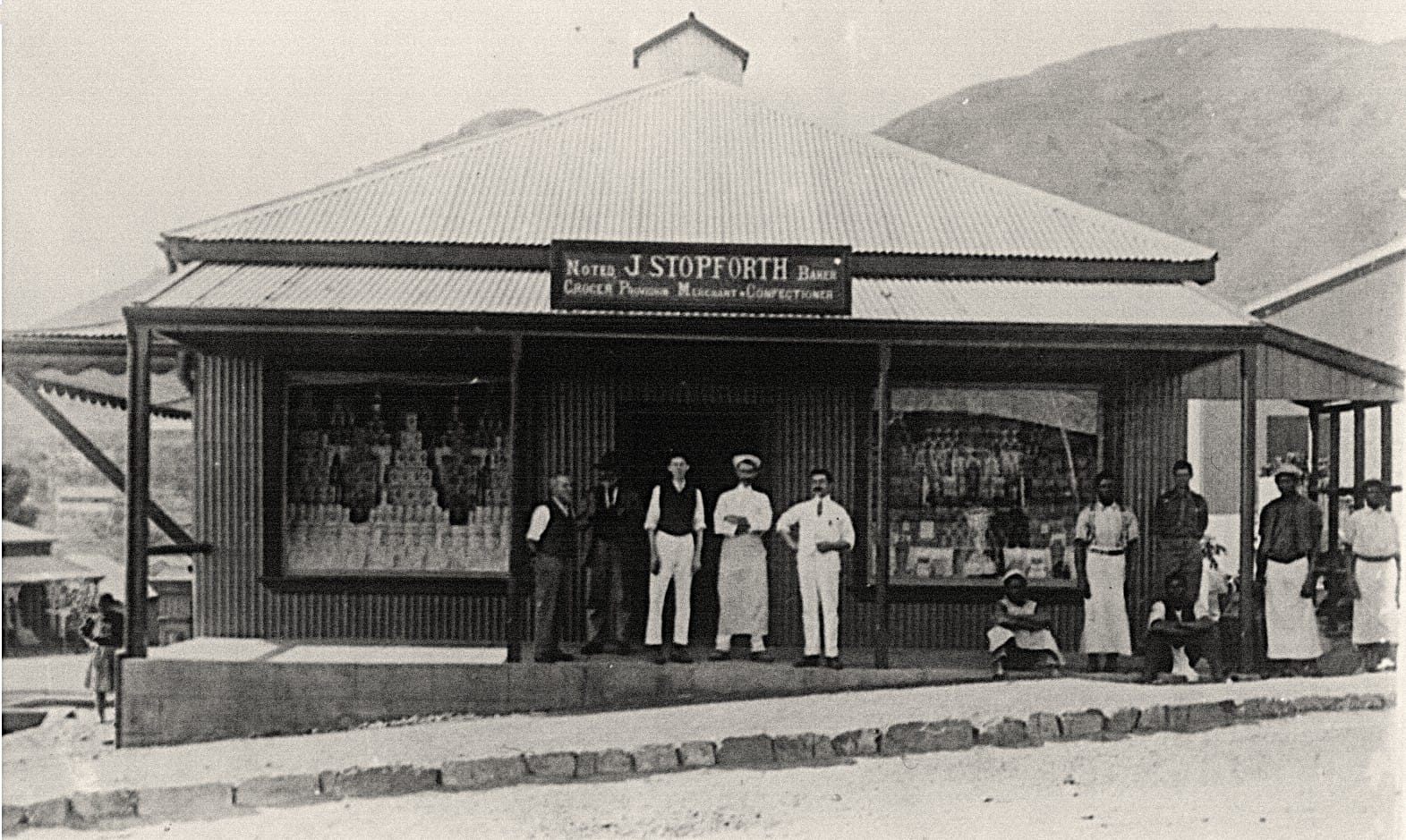
Although the Royal Albert Hall eventually disappeared from the Barberton landscape, its legacy lives on through historical records and photographs. It remains a reminder of a period when fortunes were won and lost overnight, when people from every corner of the globe converged on the little town in search of gold, and when entertainment played an important role in bringing together a diverse and often transient population.
Today, few residents realise that one of Barberton's earliest and most vibrant social venues once stood in the heart of the town. The Royal Albert Hall may have vanished more than a century ago, but its story continues to form part of the rich tapestry of Barberton's remarkable heritage. Alongside the tales of pioneering prospectors, famous nuggets and colourful personalities, it stands as another chapter in the extraordinary history that helped shape one of South Africa's oldest gold mining towns.
As Barberton continues to celebrate and preserve its heritage, the memory of the Royal Albert Hall serves as a reminder that history is not only found in surviving buildings, but also in the stories of the people who built them, filled them with life and left behind a legacy that continues to fascinate generations later.
 Liz Thorne
 Naomi Roebert
 Mariana Balt

Comments ()