
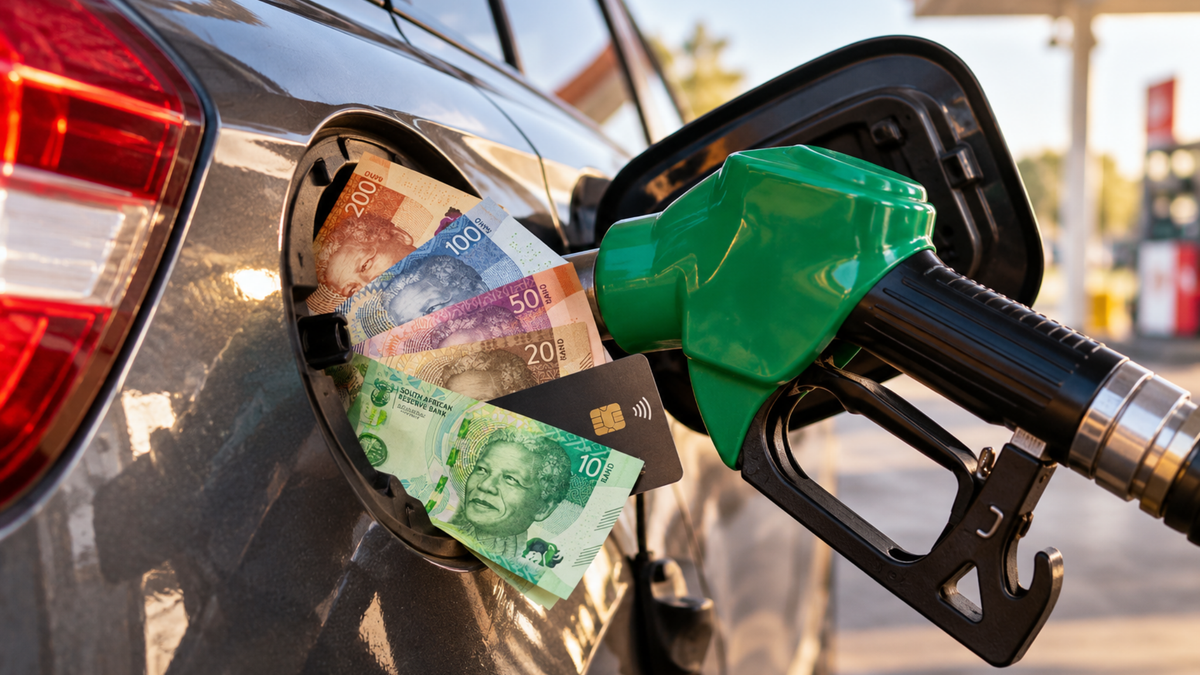
My wallet got stolen at the petrol station
In 1990, when I arrived in Barberton, 93-octane petrol cost around R1.18 a liter. Now before anyone starts shouting about inflation, salaries, exchange rates and the fact that 1990 was 36 years ago, I understand that R1.18 then is not directly comparable with R1.18 today.
I have a confession to make. I am beginning to think twice before getting into my car. Not because I have suddenly developed a fear of driving, or because I have discovered that my beloved car has a secret vendetta against me. No, the problem is standing next to it. The petrol station.
There was a time when filling the car was simply something one did. You drove to the garage, filled the tank, paid, complained mildly about the price and carried on with your life. These days, you approach the petrol pump with the same nervous anticipation as someone checking their bank balance after a particularly enthusiastic shopping spree.
From October 7, we have officially crossed the R30-a-litre psychological barrier. Inland 95 petrol is R30.25 a litre, while 93 is hovering just below the R30 mark at R29.88. The latest increase added more than R3 a litre to the price. That means filling a 50-litre tank with 95 now costs more than R1 500. Suddenly, my little trips around town require strategic planning.
It wasn't always like this. In 1990, when I arrived in Barberton, 93-octane petrol cost around R1.18 a liter. Now before anyone starts shouting about inflation, salaries, exchange rates and the fact that 1990 was 36 years ago, I understand that R1.18 then is not directly comparable with R1.18 today.
However, when the fuel price goes up, so does the cost of transporting almost everything. Food, clothing, building material, the parcel you ordered online, even the vegetables sitting innocently on the supermarket shelf have probably travelled farther than some of us have this year. So when petrol goes up, it has a nasty habit of taking other prices along for the ride.
Our salaries don't exactly jump into the passenger seat and keep up. Most of us get one salary increase a year, if we are lucky. Then the electricity bill goes up, medical expenses go up, groceries go up, insurance goes up, rates and taxes go up and now petrol has decided it wants to join the party too. By the time the annual increase arrives, it has already been eaten alive by the other increases.
Then there was the Facebook post that had me in stitches. A woman posted that her wallet had been stolen at a petrol station. She had apparently contacted the police and even posted a photograph showing several SAPS vehicles arriving at the scene. Naturally, I was intrigued and clicked on the comments as it has been some time I saw SAPS reacting to promptly. It turned out that nobody had actually stolen her wallet and the culprit was the petrol price. She had been robbed by the pump!
It was funny. It was clever. It was exactly the sort of joke most of us can appreciate because, frankly, we have all felt the same pain. What surprised me, though, were some of the negative comments from people who clearly did not find the joke amusing. Really? If we cannot laugh at the petrol price, what are we going to do, cry every time we fill up?
There is, however, a serious point behind the joke. The rising cost of living is becoming increasingly difficult for ordinary households to absorb. Petrol is one of the most visible reminders because we literally watch the numbers climb while the liters crawl into the tank.
Another question worth asking is why does it sometimes feel as though we notice every increase in the international oil price at the petrol pump, but the decreases are rather more difficult to find? To be fair, South Africa's fuel-pricing system is complicated. Petrol prices are adjusted monthly and are influenced by international petroleum prices, the rand-dollar exchange rate, taxes and levies, as well as other components of the official pricing formula. There are occasions when prices come down and we have seen that this year, but somehow, when the price falls, it never seems to fall quite as dramatically as it rises. Perhaps my wallet is simply more sensitive to decreases than increases.
Botswana currently gets a substantial amount of its fuel from South Africa, although it also sources fuel through Namibia and Mozambique. Botswana Oil says it is deliberately diversifying its supply routes and sources. Yet current figures put Botswana's petrol price at around P18.21 a litre, which is roughly R22 at current exchange rates. That is considerably less than the R30.25 we are paying for inland 95 petrol in South Africa.
Now, I am no petroleum economist, so I am not going to pretend I have the answer, but I would like somebody to explain that one to me. If Botswana can buy a significant amount of its fuel from South Africa and still sell it considerably cheaper, what exactly are we doing wrong?
Perhaps we should revert back to the previous century and get a donkey cart.
A donkey would require food, water and some maintenance, but I suspect the monthly running cost of a donkey cart might still be considerably less frightening than filling a modern vehicle. There are probably other advantages too. No speeding fines or getting stuck in a traffic jam. If the donkey refuses to move, at least you know it is not because the fuel gauge is empty.
Underneath the humour is a genuine concern. How many households are quietly cutting back on necessities to make ends meet? How many parents are wondering whether they can afford the petrol to take the children somewhere during the holidays? How many pensioners are looking at their monthly income and trying to decide which bill can wait?
They are the persons at the supermarket who puts one item back because the total has become too much. They are the family who cancels a weekend away because the petrol alone is too expensive. So yes, let us laugh at the petrol station robbery. Let us make jokes about donkeys, but let us also acknowledge that the joke is funny because there is a painful truth behind it.
The cost of living is becoming harder and harder to carry and if this continues, perhaps the next time someone says, "I think my wallet was stolen at the petrol station," we should not laugh. We should simply nod knowingly, because we will all know exactly who the thief was.
𝓛𝔂𝓷𝓮𝓽𝓽𝓮.
 Naomi Roebert
 Liz Thorne
 Mariana Balt


Comments ()