
Adam's Calendar guards one of Mpumalanga's greatest mysteries
Is Adam's Calendar the world's oldest man-made structure, or is the truth something entirely different?



High on the escarpment near Kaapschehoop, where mist rolls across the grasslands and wild horses roam freely, stands a collection of weathered stone pillars that has intrigued visitors from around the world. Known as Adam's Calendar, the ancient-looking stone formation has become one of Mpumalanga's most fascinating attractions, drawing tourists, historians, archaeologists and adventure seekers alike.
Just a fairly short drive from Barberton, the site offers spectacular views across the Lowveld and the ancient Barberton Makhonjwa Mountains. Yet it is not the scenery alone that attracts thousands of visitors each year. It is the mystery surrounding the stones and the questions they continue to raise.
The site first gained widespread attention in the early 2000s when pilot and researcher Johan Heine began studying the unusual arrangement of the standing stones. Together with author Michael Tellinger, Heine proposed that the formation was not simply a random collection of rocks but a carefully constructed astronomical calendar.
According to their research, the movement of the sun and the shadows cast by the stones align with the solstices and equinoxes, allowing ancient people to track the changing seasons.
These findings captured the imagination of people across the globe. Heine and Tellinger went on to suggest that Adam's Calendar could be more than 75,000 years old, making it far older than Stonehenge in England and potentially one of the oldest man-made structures on Earth. Their books, documentaries and lectures introduced millions of people to the mysterious stone circle hidden among the Mpumalanga hills.
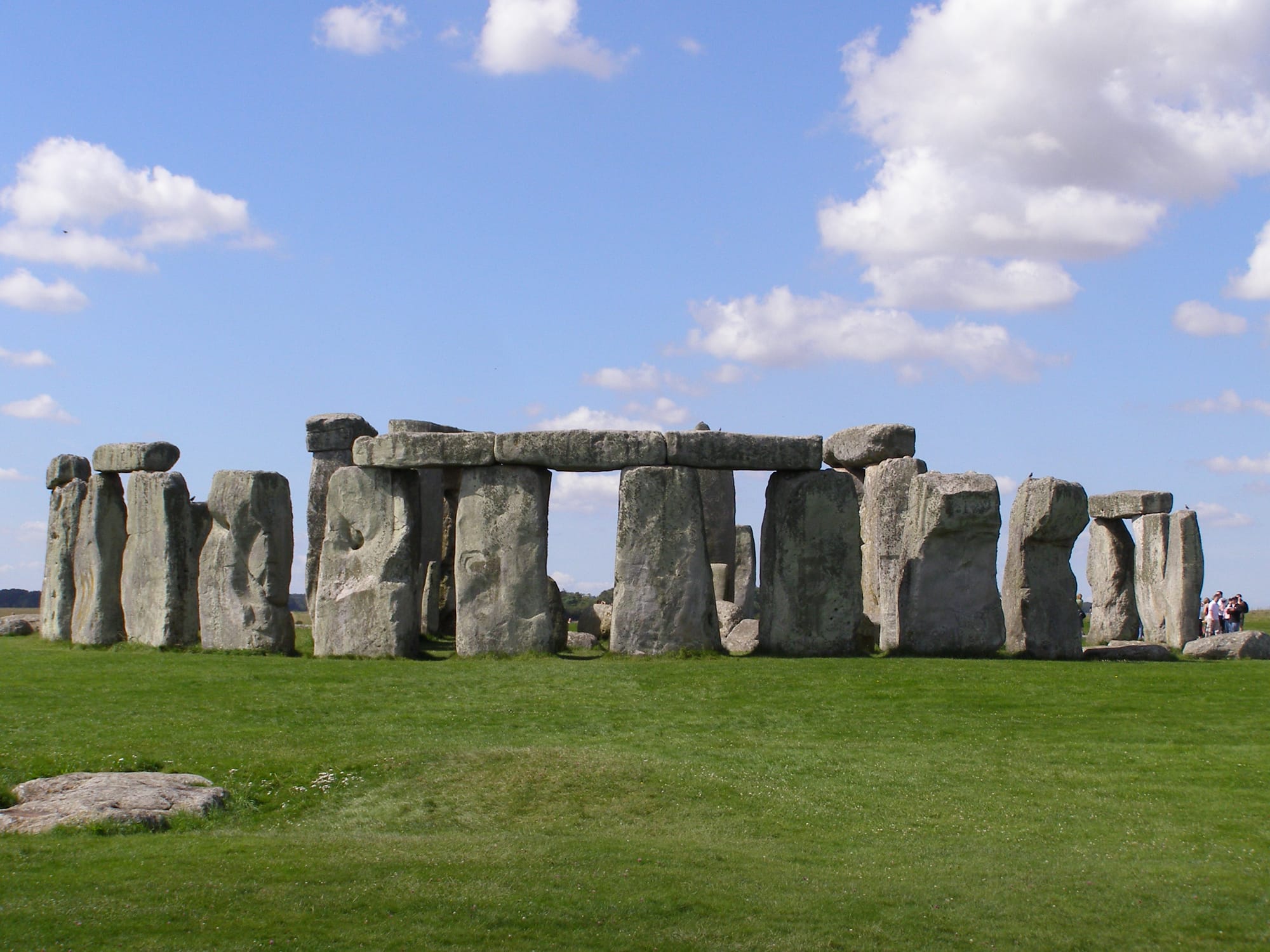
The extraordinary claims, however, have also generated considerable debate. Many archaeologists and historians remain unconvinced that the site dates back tens of thousands of years. While researchers acknowledge that the region is home to thousands of remarkable stone-walled settlements built by early farming communities, there is currently no accepted archaeological evidence proving that Adam's Calendar itself is 75,000 years old.
Instead, many scientists believe the surrounding stone ruins were constructed by African farming societies that occupied parts of southern Africa over the past one to two thousand years. They caution against drawing conclusions that cannot yet be supported by archaeological excavation and scientific dating.
Yet even those who question the age of the site agree on one point. Adam's Calendar occupies an extraordinary landscape.

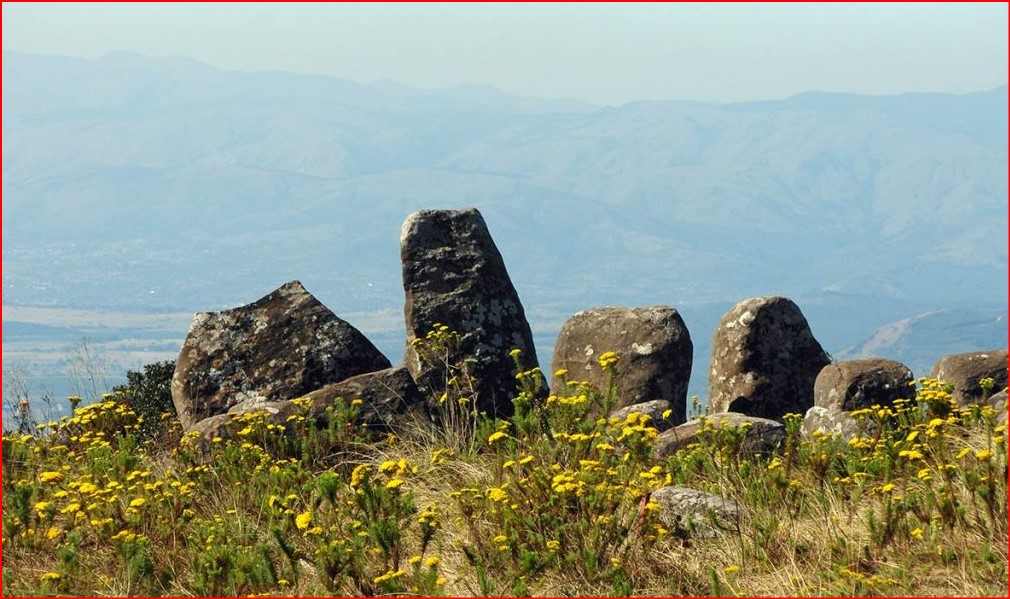
The surrounding Barberton Makhonjwa Mountains are among the oldest exposed rocks on Earth, preserving a geological record dating back more than three billion years. Long before dinosaurs walked the planet, these mountains were already taking shape. It is perhaps fitting that a place surrounded by such ancient history should also become home to one of South Africa's greatest archaeological mysteries.
Visitors who make the journey to Adam's Calendar quickly discover that the experience is about far more than the stones themselves. Standing on the escarpment as the sun rises over the Lowveld, it is easy to understand why people have been fascinated by this location for centuries. The panoramic views stretch across valleys, forests and mountains, while the famous Kaapschehoop wild horses often graze quietly nearby, adding to the almost timeless atmosphere.
Local guides enjoy sharing the various theories surrounding the site, from ancient civilisations and lost knowledge to more conventional archaeological explanations. Whether visitors arrive as sceptics or believers, most leave appreciating both the beauty of the landscape and the enduring mystery that surrounds it.
For the people of Barberton and the wider De Kaap Valley, Adam's Calendar is another reminder that this region holds far more than spectacular scenery. It is a place where geology, history, archaeology and folklore intersect, inviting each new generation to ask questions that have yet to be answered.
Perhaps that is the true significance of Adam's Calendar. Not necessarily that it holds all the answers, but that it continues to inspire curiosity. Whether Adam's Calendar eventually proves to be one of humanity's oldest astronomical observatories or simply another remarkable chapter in southern Africa's rich archaeological heritage, it continues to do what all great historical places should do: inspire curiosity.
Every visitor leaves with more questions than answers, and perhaps that is exactly what keeps its mystery alive.
 Anchen Coetzee
 Liz Thorne
 Naomi Roebert
 Mariana Balt


Comments ()