
Echoes in the mountains: life and loss in the former asbestos town of Msauli
For many former residents, growing up in Msauli or Diepgezet meant living in a place where everyone knew one another.
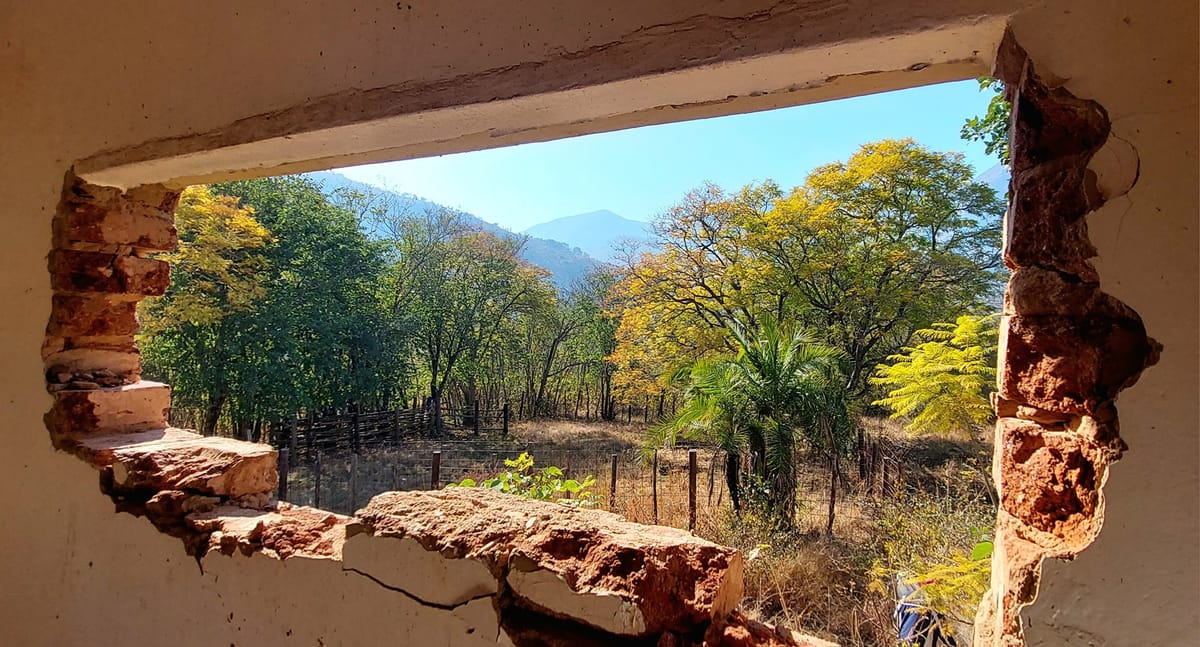
Before the houses stood empty and the streets fell silent, Msauli and Diepgezet were lively communities where families built their lives around the rhythms of the asbestos mine. Today, memories of school days, shift sirens and close-knit neighbourhoods remain long after the industry that created the town has disappeared.
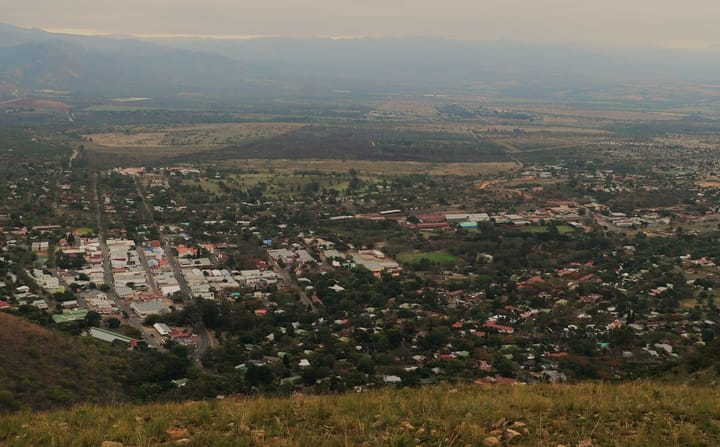
For many former residents, growing up in Msauli or Diepgezet meant living in a place where everyone knew one another. The town was small and remote, surrounded by mountains and thick Lowveld vegetation, and this isolation fostered a strong sense of community.
Children walked or cycled to Diepgezet Primary School each morning, often in groups, chatting along dusty roads lined with identical company houses. The school was more than just a place of learning, it was the heart of the town’s social life. School concerts, sports days and prize-giving ceremonies drew parents, siblings and neighbours together, reinforcing bonds that extended beyond the classroom.
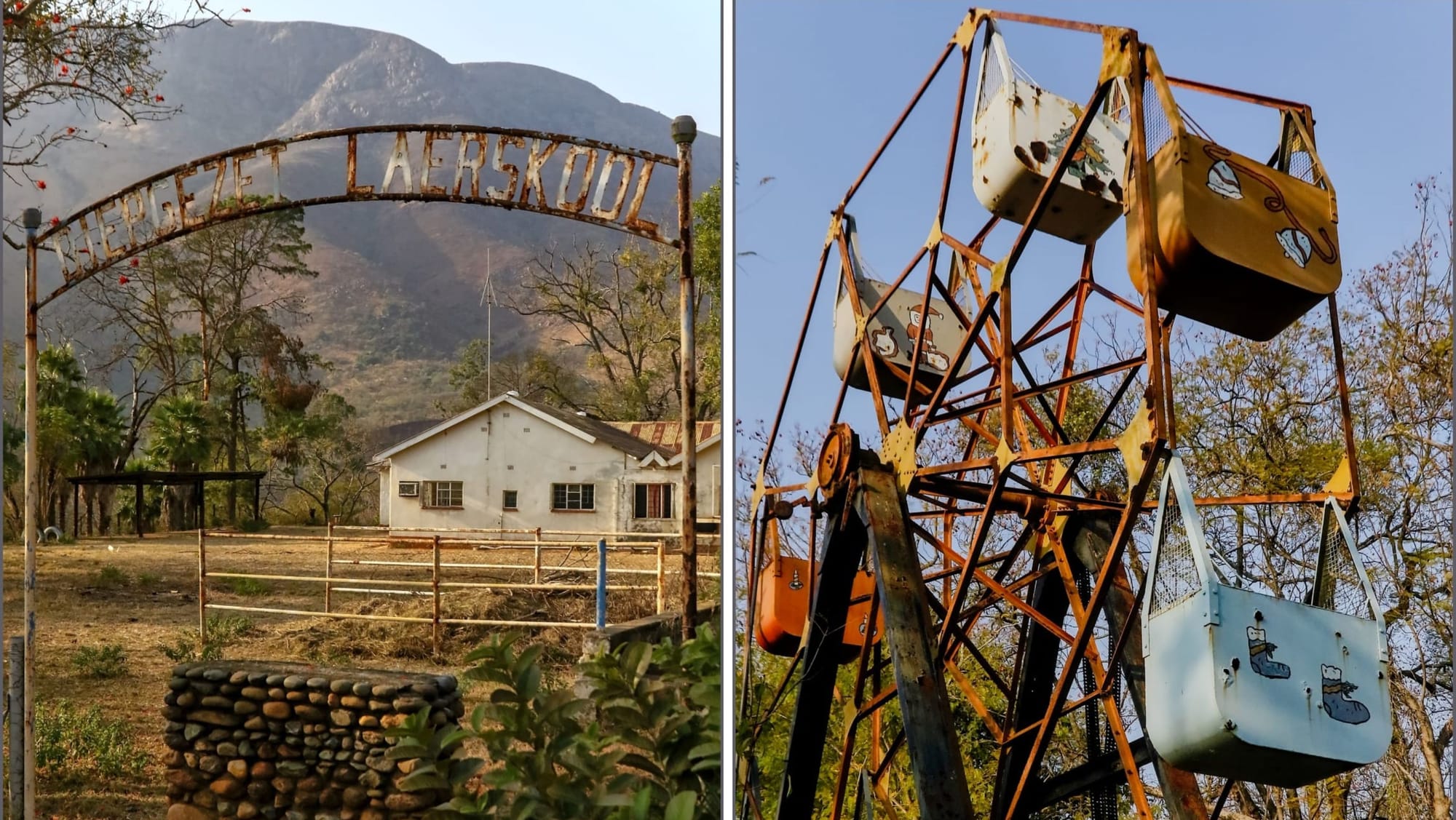
Life in Msauli was closely tied to the mine’s daily schedule. The sound of the shift siren echoing across the valley signalled the start and end of workdays. Fathers, older brothers and in some cases mothers left home before sunrise to begin their shifts, returning hours later covered in fine dust from the day’s labour.
For children, these routines were simply part of everyday life. Afternoons were spent playing cricket in the streets, riding bicycles, or exploring the surrounding hills and streams. With limited entertainment options in such a remote location, imagination and outdoor play filled the gap.
The mining company provided housing, basic services and recreational facilities, which helped create a structured and stable environment for families. Sports fields hosted rugby and soccer matches on weekends, while community halls were used for dances, meetings and social events.
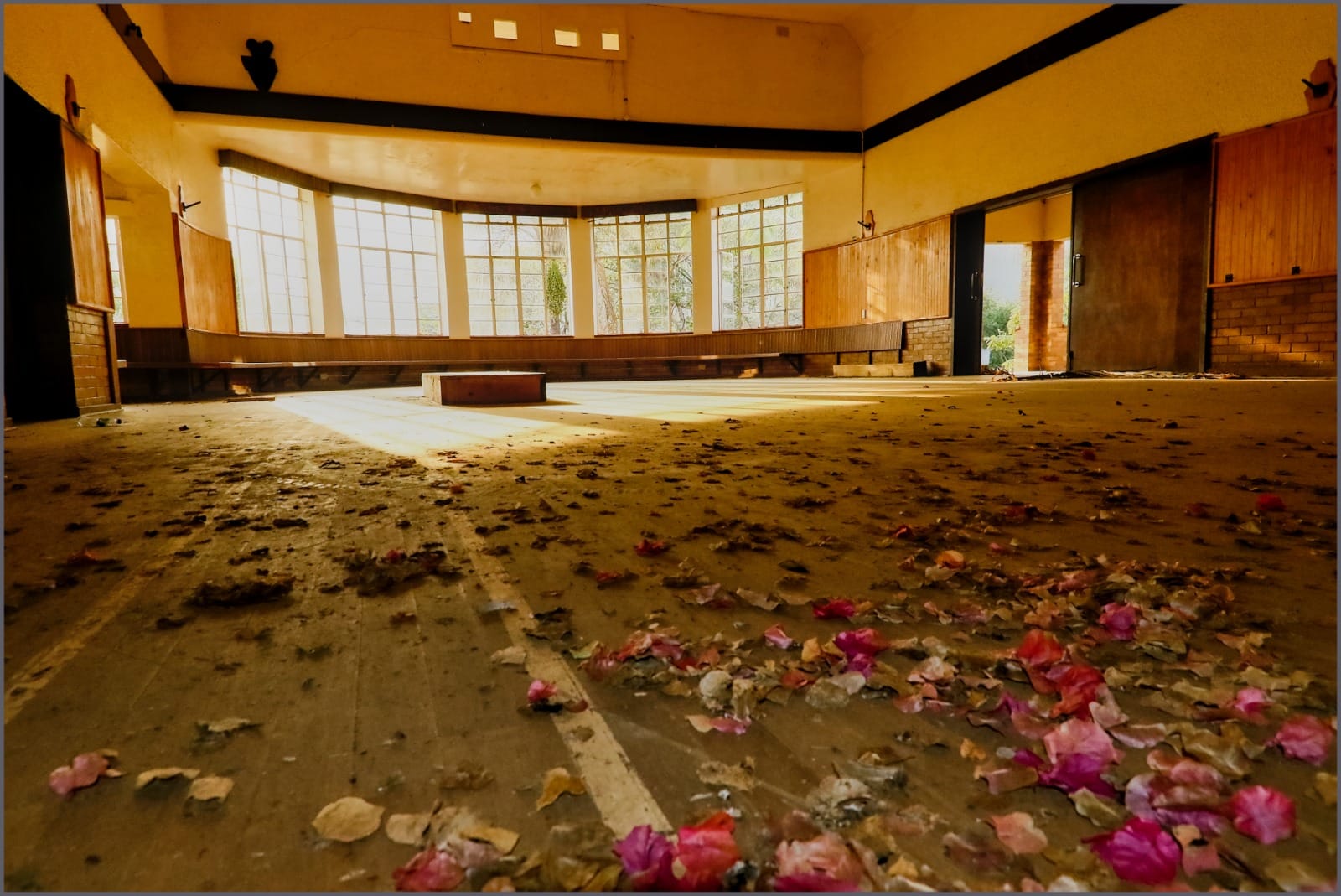
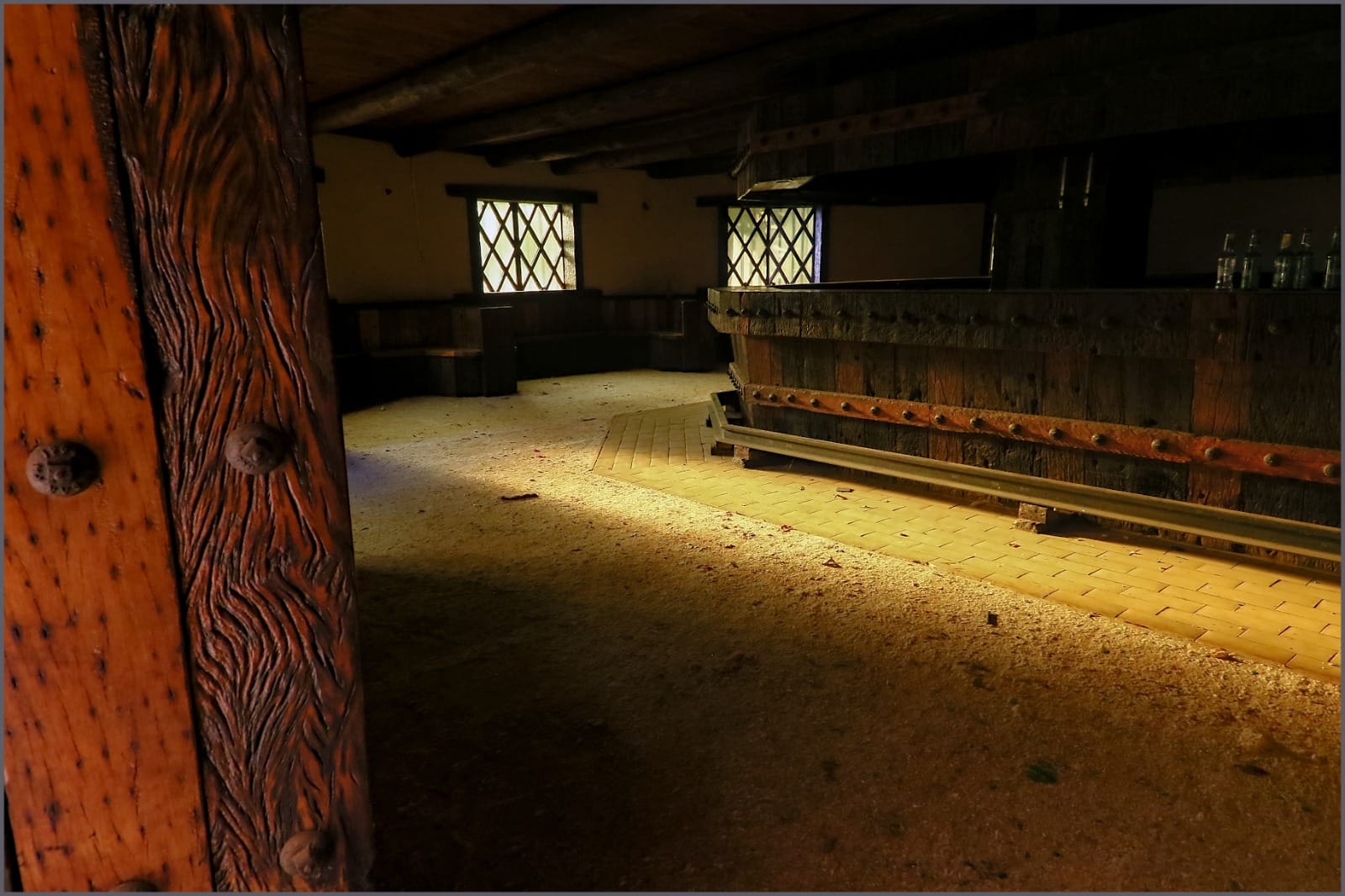
Church services brought residents together on Sundays, and seasonal celebrations such as Christmas concerts and school functions were eagerly anticipated highlights of the year. Many former residents later recalled these events as moments that defined their childhood and strengthened community spirit.
By the late 1990s, uncertainty hung over the future of the asbestos industry. News reports about health risks and international bans began filtering into even remote towns like Msauli. When the mine eventually closed around 2001, the impact was immediate and deeply personal.
Families who had lived in the town for decades suddenly faced unemployment and difficult choices. Some moved to larger towns in Mpumalanga, others relocated to different provinces altogether. Children were forced to leave behind friends, teachers and familiar surroundings, often with little time to say proper goodbyes.
As families moved away, houses were left vacant. Streets that had once echoed with children’s voices and passing vehicles grew quiet. Shops shut their doors, and the sense of security that had defined life in the company town began to disappear.
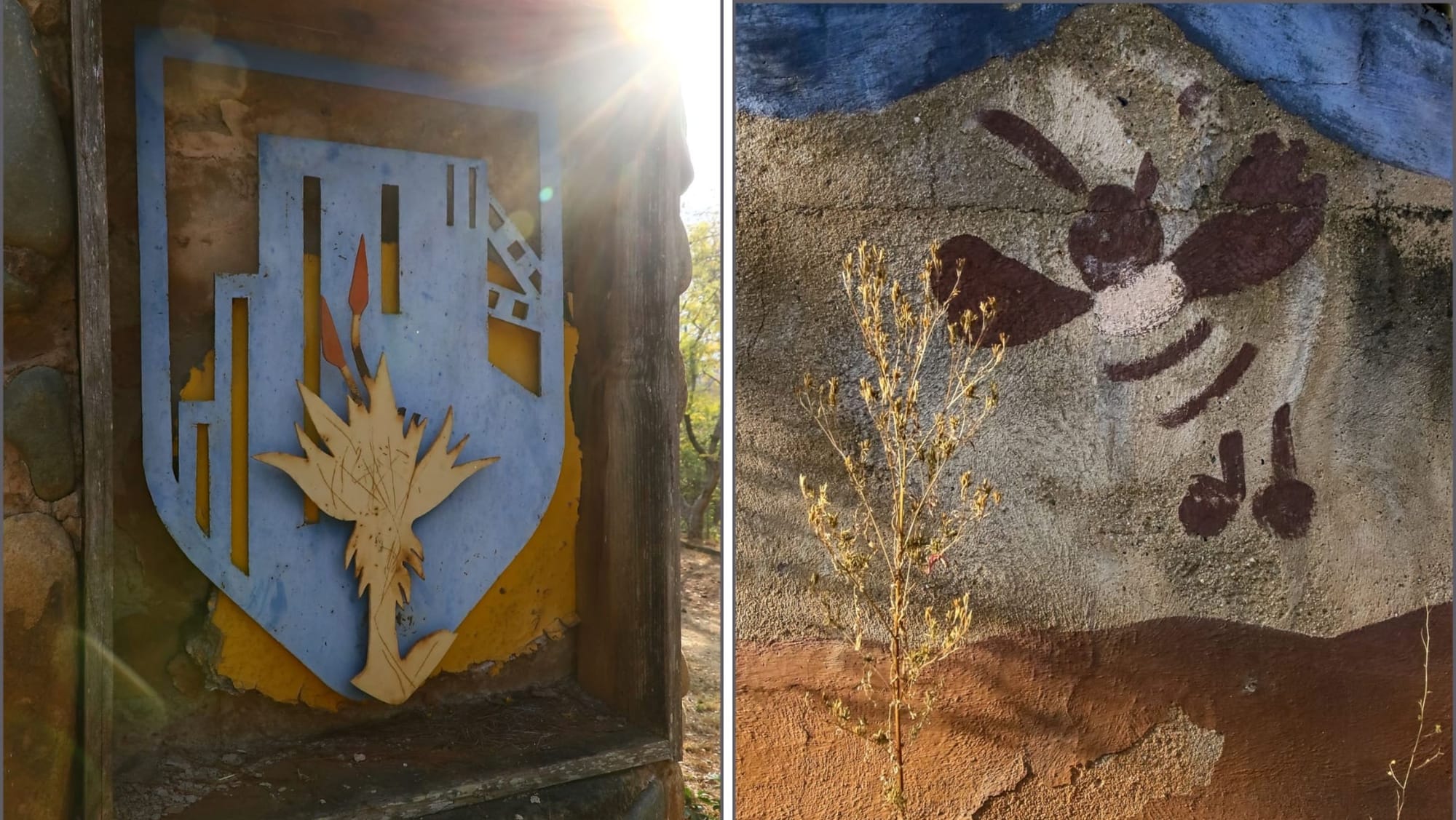
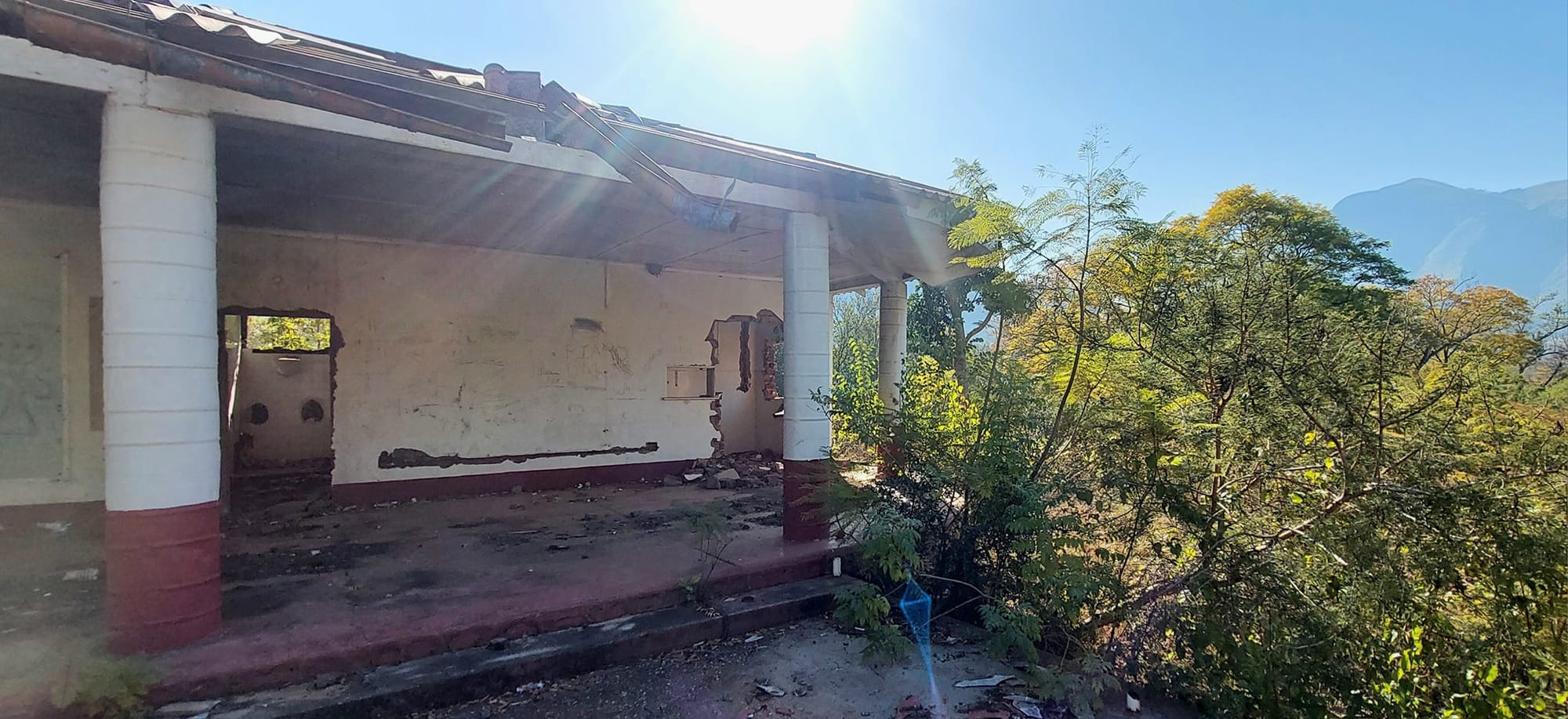
Former residents have often described returning years later to find a place that felt both familiar and strange. The layout of the streets and the location of landmarks remained the same, but the life had drained away. Windows were broken, paint peeled from walls and weeds pushed through cracks in pavements.
For many families, the story of Msauli did not end with relocation. Years after leaving the town, some former workers began to develop serious health problems associated with asbestos exposure. Illnesses such as asbestosis and mesothelioma affected not only the workers themselves but also their spouses and children, who had been exposed to asbestos fibres brought home on work clothes.
These health challenges added a painful dimension to the memories of life in the town, reminding families that the economic benefits of the mine had come at a significant cost.
Despite the hardships that followed the mine’s closure, many former residents continue to look back on their years in Msauli and Diepgezet with affection. Social media groups, and occasional visits back to the area have helped keep the community’s shared history alive.
Old photographs of school classes, sports teams and family gatherings are often circulated online, sparking conversations and reconnecting people who once lived side by side in the mountain town. These memories serve as a reminder that, although the buildings may crumble, the community that once existed there continues to live on in the stories of those who were part of it.
The story of Msauli is not only about mining or economic decline, it’s about people, about childhoods spent in a remote valley, about friendships formed in school corridors, and about the resilience required to start over when a single industry collapses.
By sharing these stories, former residents ensure that the town is not entirely forgotten. The abandoned houses and silent mine workings may stand as physical reminders, but it is the memories of the people who lived there that truly preserve the legacy of Msauli in the history of the De Kaap Valley.
Comments ()