
The women who built Barberton
Gold may have sparked Barberton’s beginning in 1884, but it was women who ensured its survival.
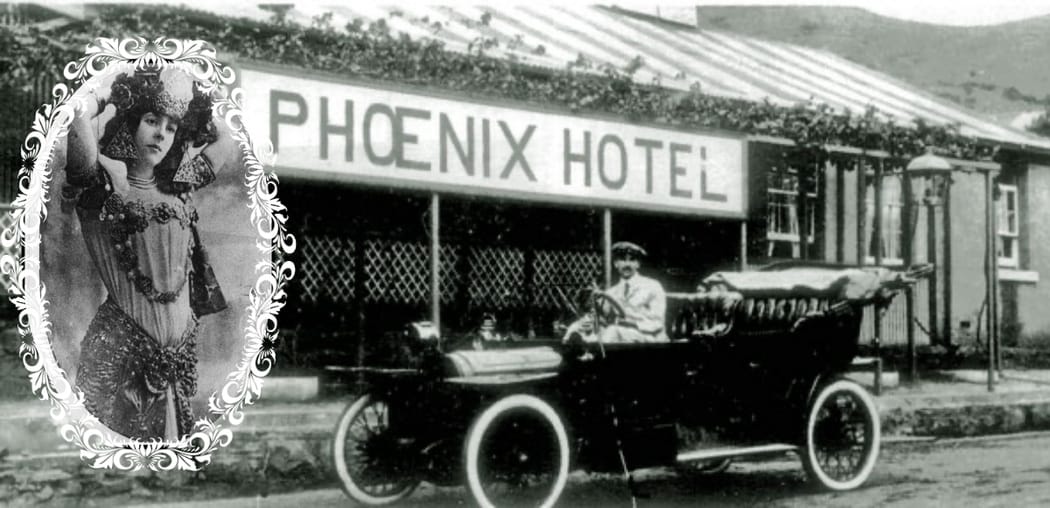
When gold was discovered in Barberton in 1884, the valley changed almost overnight. Prospectors poured in. Claims were pegged. Tents sprang up across the dusty landscape. Fortune-seekers chased dreams beneath the African sun.
History remembers the miners. It remembers the magnates. It remembers the gold, but behind the noise and the glitter stood women, steady, resilient and determined, who transformed a rough mining camp into a functioning, enduring community. They were innkeepers, nurses, teachers, business owners, missionaries and mothers. Without them, Barberton would not have survived.
Among the most remarkable figures of early Barberton was Cockney Liz, born Elizabeth Woolley. Arriving during the height of the gold rush, she quickly established herself as a formidable and unapologetic businesswoman.
Far from fitting the mould of a demure Victorian lady, Cockney Liz owned and operated several establishments in town, including canteens and boarding houses that catered to miners and prospectors. In a volatile boomtown economy, she recognised that while gold was uncertain, hospitality was not.
She invested wisely. She acquired property. She built wealth.
While prospectors gambled underground, Cockney Liz built her fortune above ground, brick by brick, transaction by transaction. At a time when women in much of the world had limited property rights, she stood as a powerful example of economic independence in frontier Barberton. Cockney Liz was not alone. Many unnamed women ran boarding houses and small hotels that provided stability in an otherwise unpredictable settlement.
They rose before dawn to bake bread over wood fires. They washed clothes by hand in tin basins. They kept accounts, managed supplies and maintained order in establishments that could easily have descended into chaos. Places such as the Phoenix Hotel relied heavily on women’s labour and managerial skill. They created safe, structured spaces in a town known for saloons and speculation.
These women were not simply supporting players, they were economic anchors.
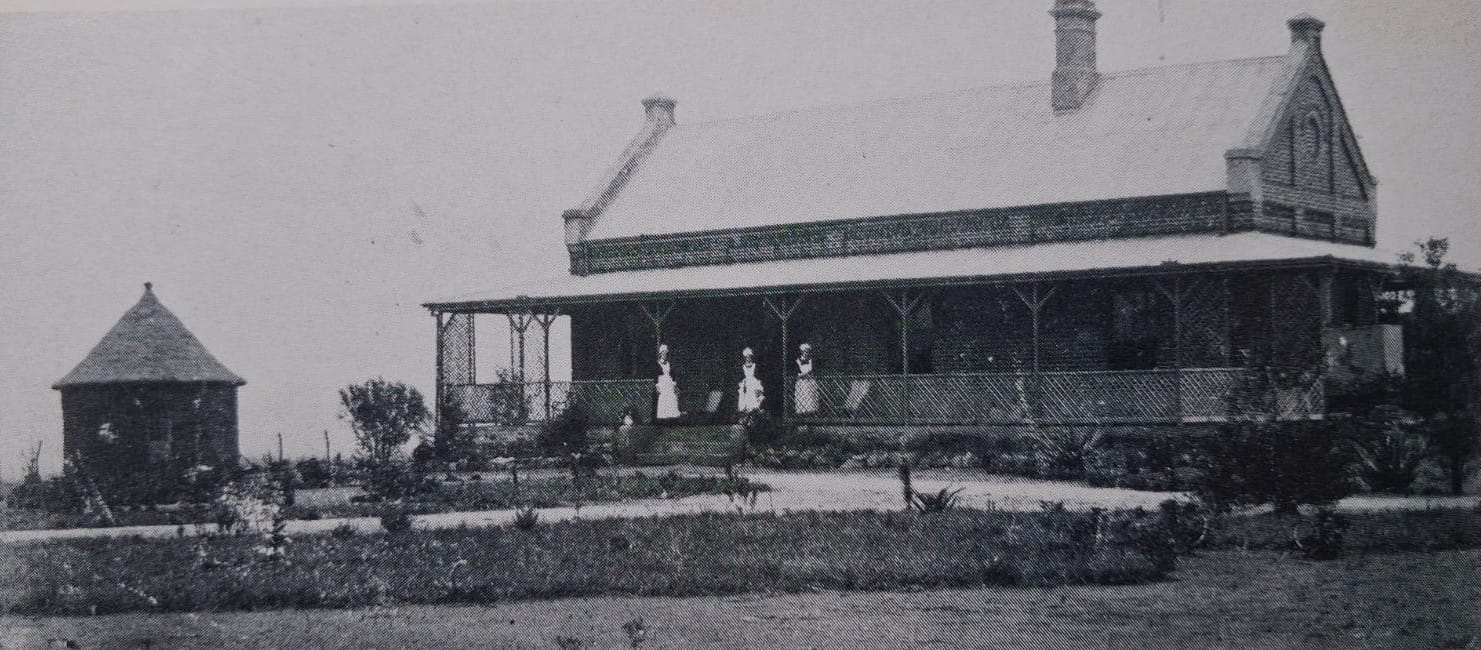
Gold rush towns were notorious for disease and injury. Malaria, typhoid and dysentery spread easily. Mining accidents were frequent. Medical resources were limited. Long before fully established medical institutions, caregiving fell largely to women. Some had formal training. Many relied on practical experience and determination.
Historical records reference women such as Mrs. M.C. Botha, who was associated with early hospital committee work and healthcare efforts in Barberton. Women in such roles oversaw sanitation, patient care and supplies at a time when antibiotics did not exist and survival often depended on vigilance and courage.
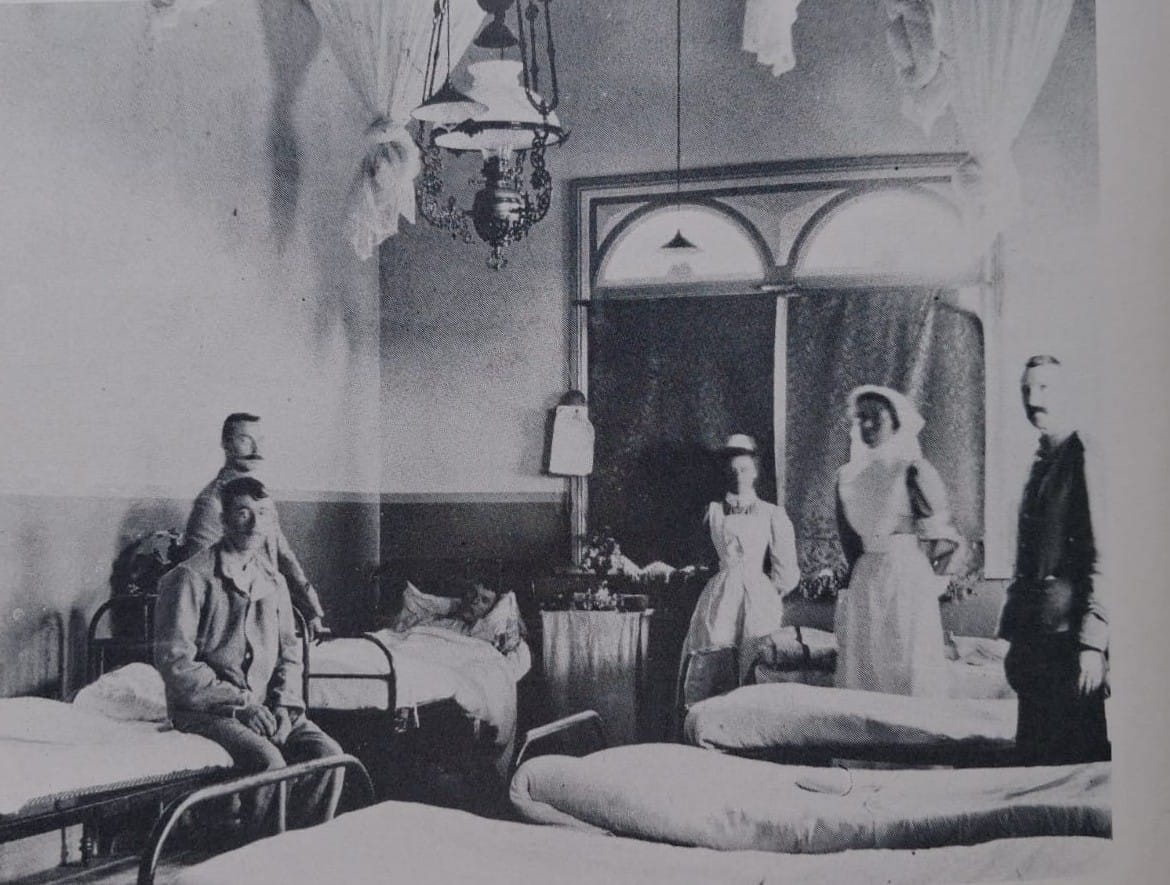
They acted as midwives, tended wounds, sat beside feverish patients through long nights and supported mothers through childbirth in small, candlelit rooms. Their work laid foundations for what would later become structured healthcare in the region with the establishment of the Barberton Hospital.
As families began settling permanently, the need for formal education became urgent. Women stepped forward to fill that role. A mining camp becomes a town the moment children gather in a classroom.
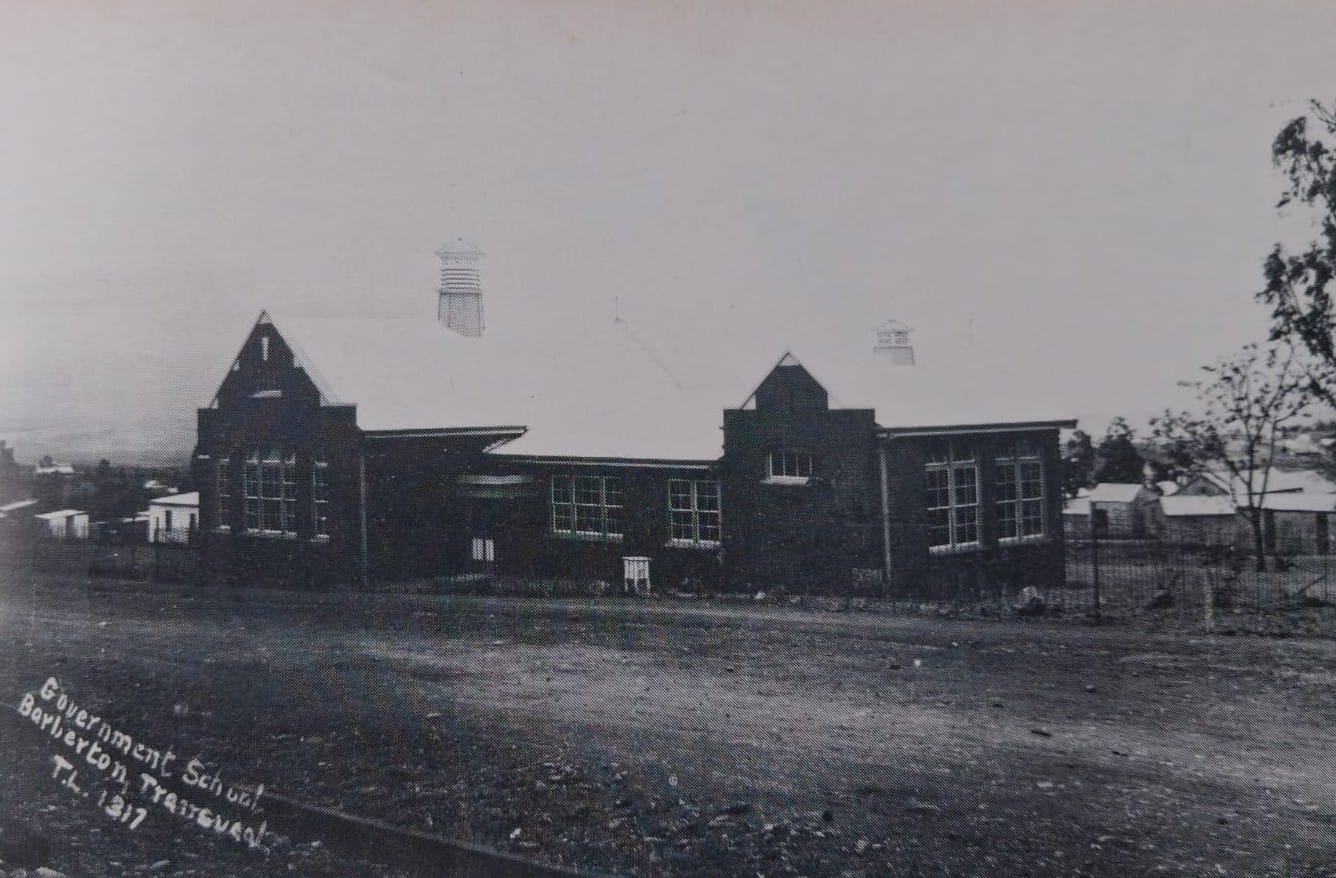
One name linked to early education in the region is Emily Amelia Stockley, believed to have been among the early teachers serving the settler population. Though records from the 1880s and 1890s are fragmented, it is clear that women educators played a crucial role in shaping Barberton’s future.
Often teaching multiple age groups in a single room with limited supplies, these women instilled literacy, discipline and hope in the next generation. Education signaled permanence. It declared: we are here to stay.
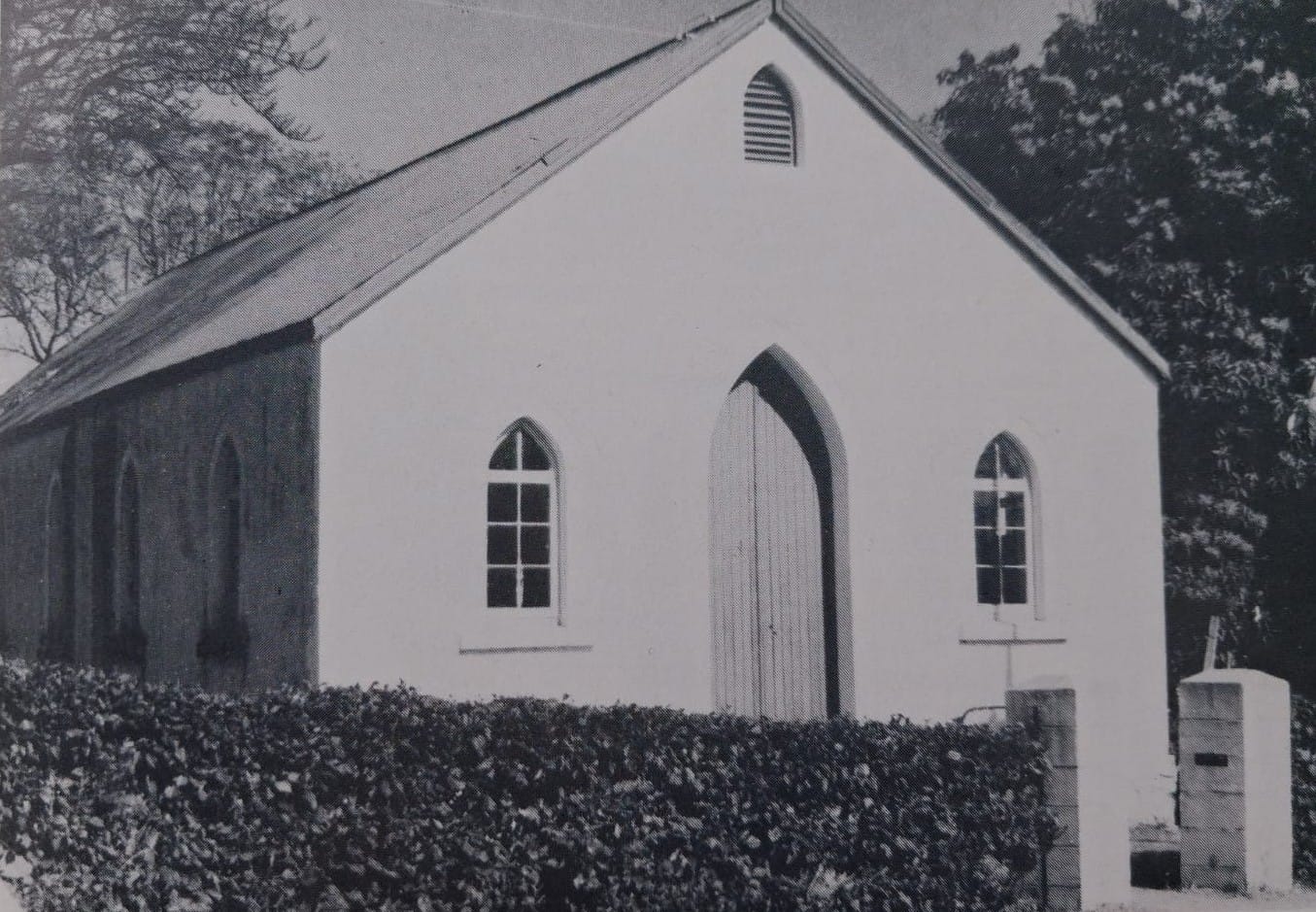
Faith communities were among the earliest structured institutions in Barberton. While ministers’ names appear in records, women worked tirelessly behind the scenes. Missionary wives and church women organised Sunday schools, sewing circles and charity drives. They visited the sick, comforted the bereaved and supported struggling families.
In a town once characterised by gambling halls and uncertainty, they helped establish moral and social frameworks that strengthened community bonds.
A walk through Barberton’s historic cemetery tells another story, one of young mothers lost in childbirth, women taken by fever and families marked by hardship. Frontier life demanded endurance. Many women faced isolation, illness and financial instability with quiet strength. Their sacrifices are etched into gravestones and woven into family histories.
Today, Barberton stands as a town proud of its heritage. Schools, businesses, healthcare facilities and community organisations thrive in the De Kaap Valley.
While gold built Barberton’s early wealth, it was women who built its survival.
Cockney Liz and her contemporaries challenged expectations. Educators like Emily Amelia Stockley laid intellectual foundations. Caregivers such as Mrs. M.C. Botha strengthened public health in its infancy. Countless unnamed women ensured daily life continued, even in the harshest conditions. It is worth remembering the women who nurtured this town in its earliest days.
Their names may not always dominate history books, but Barberton stands because they did.

Comments ()