
The Moodies and the gold rush that built Barberton
Gold, grit and a bottle of gin smashed over a reef, that’s how Barberton was born. Discover the dramatic story of the Moodie concession, the Barber brothers’ strike at Umvoti Creek, and how our town boomed almost overnight in 1884.
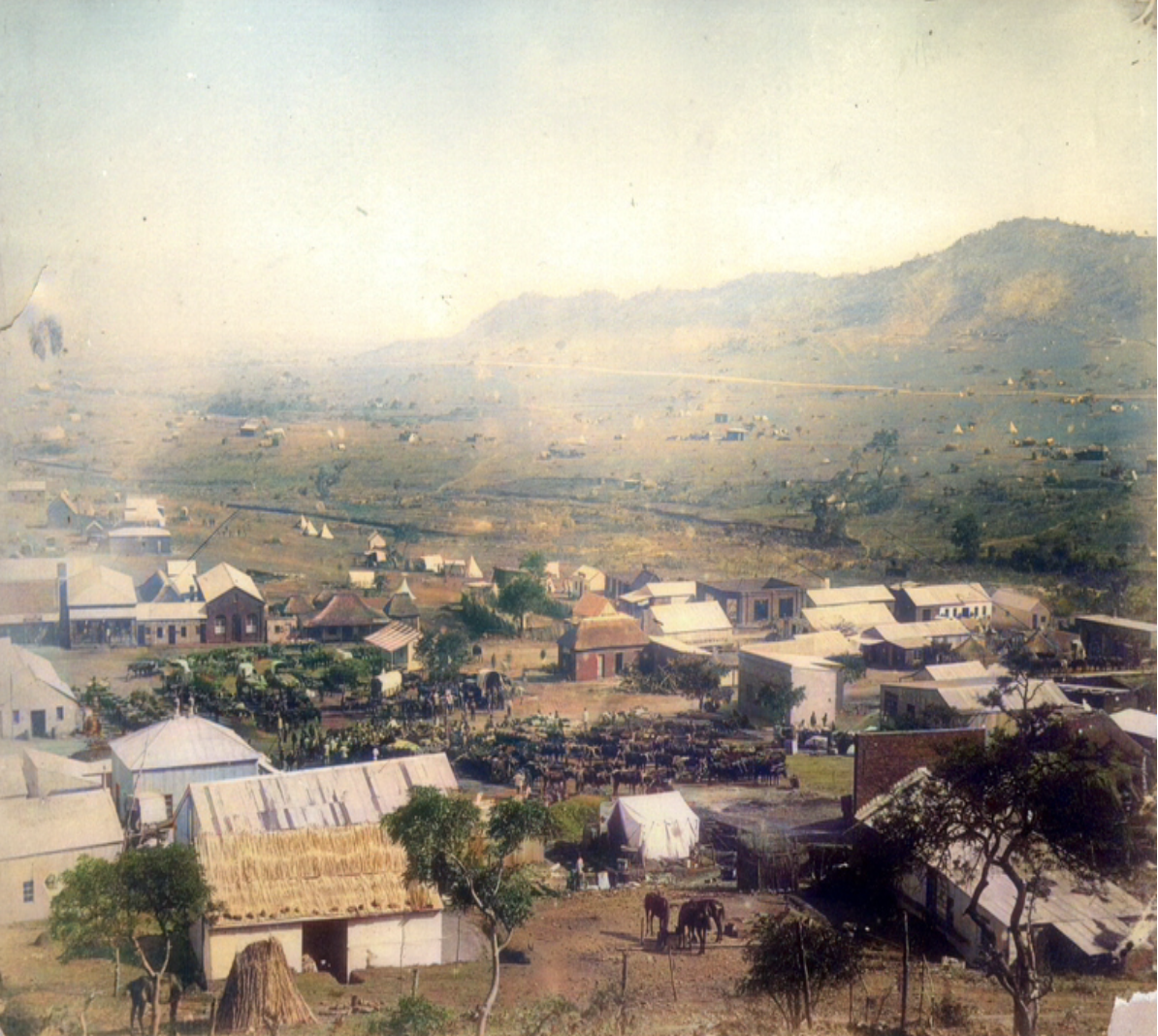
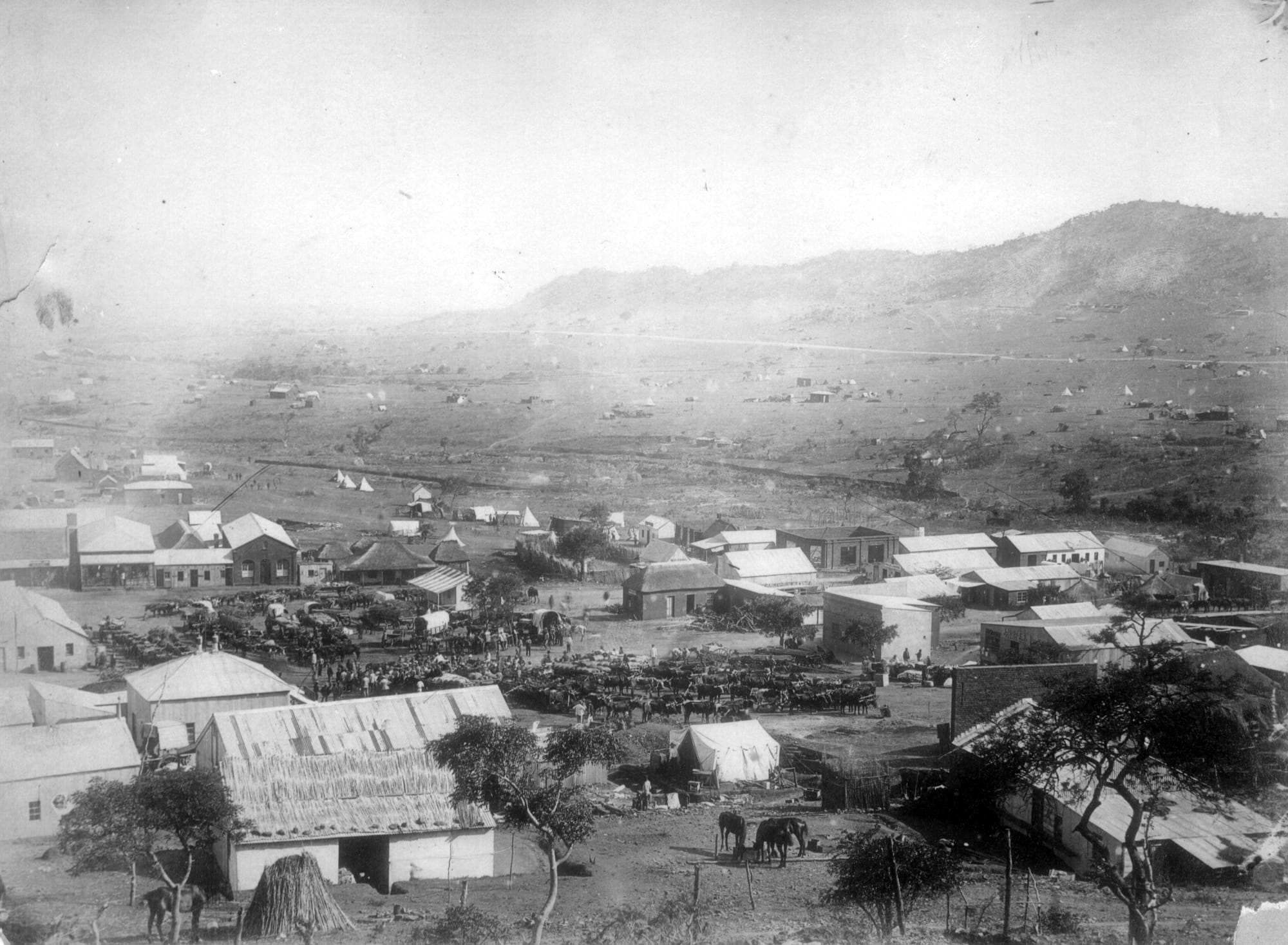
There are moments in history when a single discovery changes the fate of a valley forever. For Barberton, that moment came in the winter of 1884, when gold shimmered in the quartz reefs along a small stream then known as Umvoti Creek.
Within months, the quiet De Kaap Valley transformed into one of the most talked-about goldfields in southern Africa. Tents became trading stores. Dust tracks became streets. A settlement that did not exist on maps suddenly had banks, saloons, stock exchanges and thousands of hopeful diggers.
However, before Barberton boomed, there was a man named Moodie.
George Piggott Moodie, Surveyor-General of the South African Republic (ZAR), was granted thirteen farms in the De Kaap Valley as compensation for surveying a proposed railway route between Delagoa Bay and Pretoria. This vast tract became known as Moodie’s Concession. Today the area is still called The Moodie Estate and lies outside of the present day Barberton on the road to Agnes Mine.
By 1883, prospectors had begun exploring the area quietly. Among them were adventurous diggers such as Auguste “French Bob” Roberts and his associates. When payable gold was discovered on Moodie’s farms, efforts were made to keep it secret. But gold has a way of speaking loudly.
As word spread, diggers flooded into the concession. Disputes arose over mineral rights, licence fees and authority. Diggers started pegging claims, refusing to recognise Moodie’s authority to levy licence fees. Moodie believed he controlled the land and its minerals, while the state maintained authority over mining rights.
The confrontation became one of the earliest mining disputes in South African history.
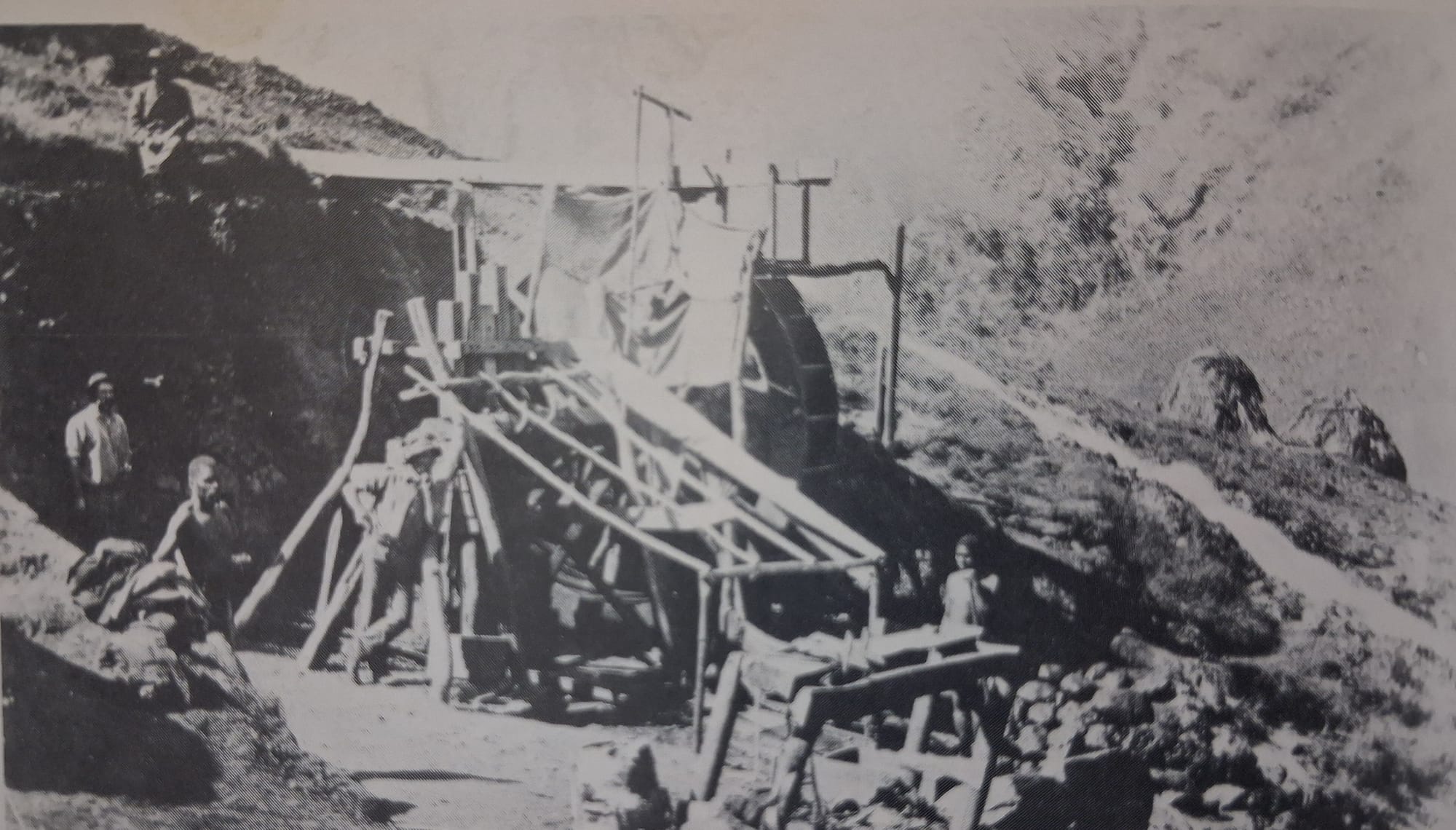
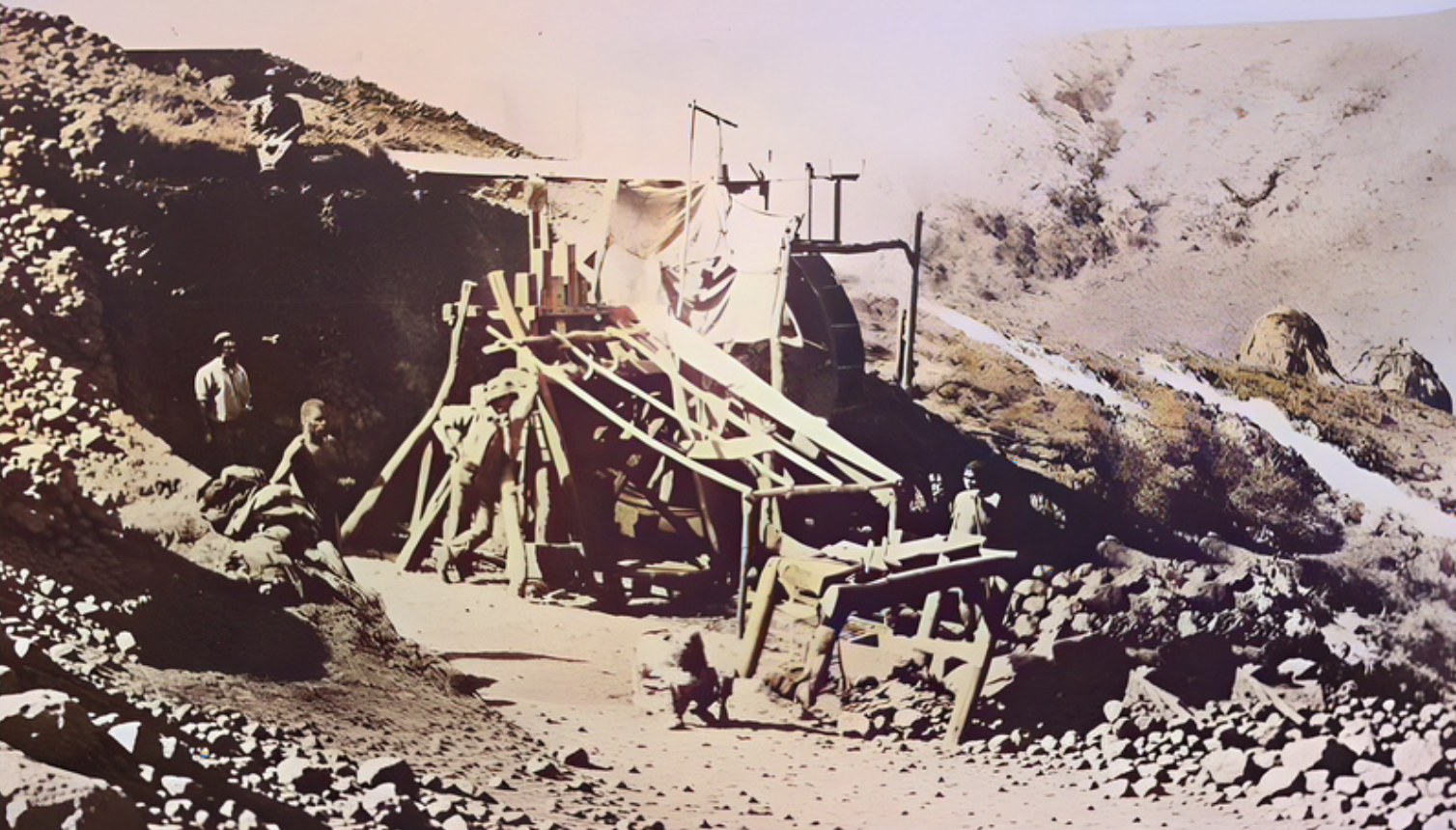
Meanwhile, an even more significant discovery was about to change everything. Umvoti Creek, later renamed Rimer's Creek, was little more than a rugged watercourse cutting through the hills north of the valley. In June 1884, cousins Graham Hoare Barber, Fred Barber and Harry Barber struck a rich gold-bearing quartz reef near Umvoti Creek.
On 21 June 1884, Graham Barber formally reported the discovery. Gold Commissioner David Wilson inspected the site and recognised its importance. On 24 July 1884, he officially proclaimed a new township at the base of the hills where the creek entered the valley.
Legend says Wilson smashed a bottle of gin over a reef rock and named the town Barberton in honour of the Barber brothers.
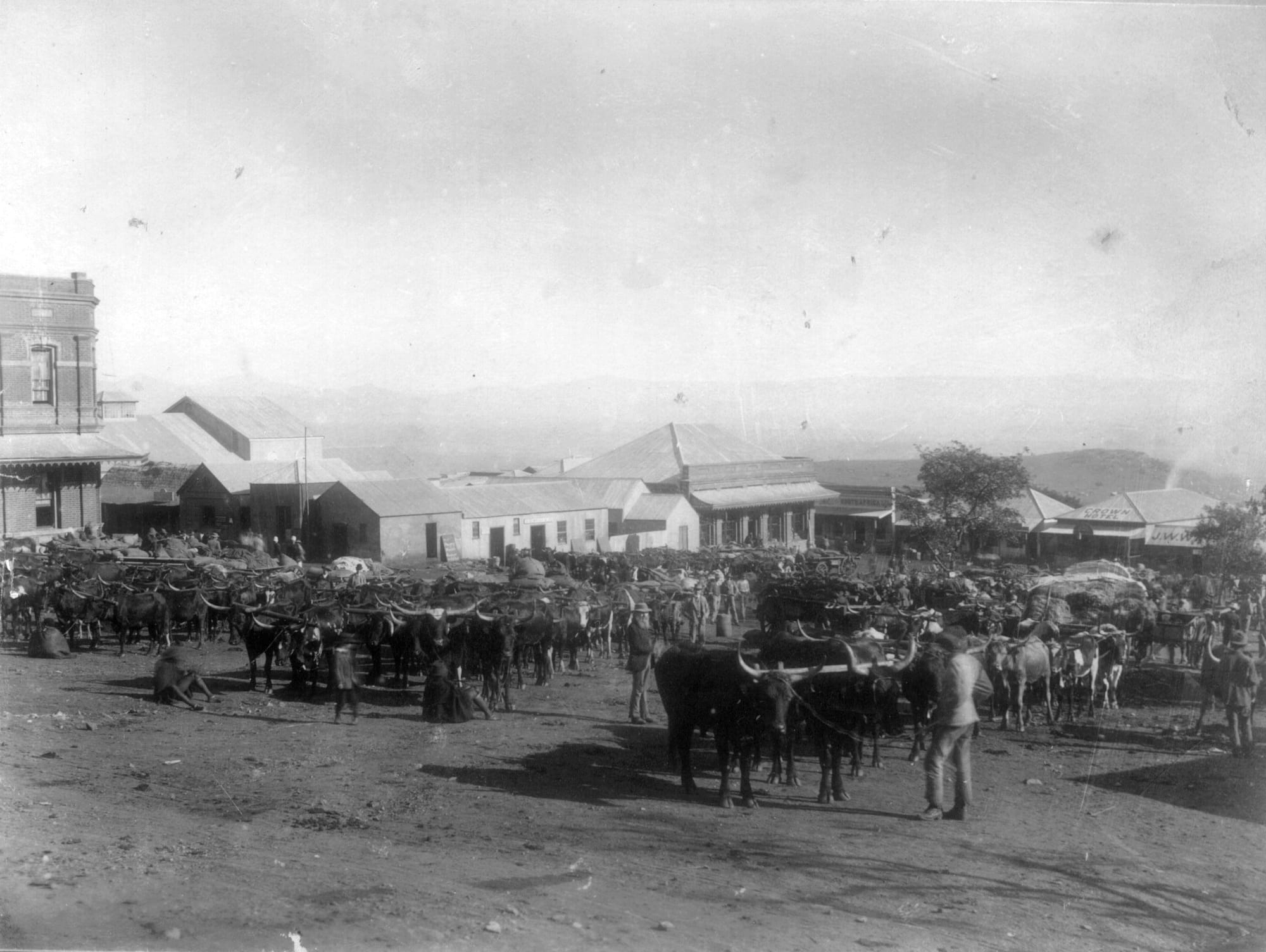
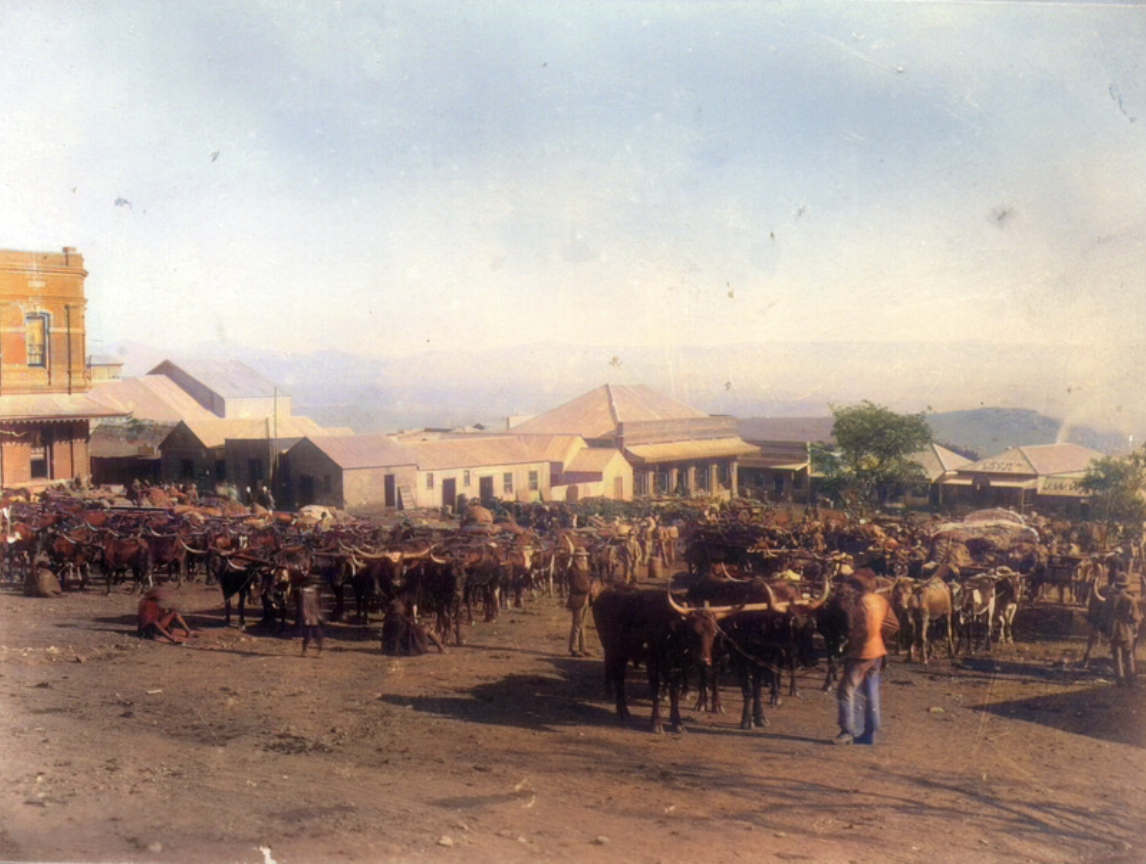
Within weeks, fortune seekers poured into the De Kaap Valley. Ox-wagons crossed the mountain passes. Canvas tents lined muddy tracks. Corrugated iron buildings sprang up almost overnight.
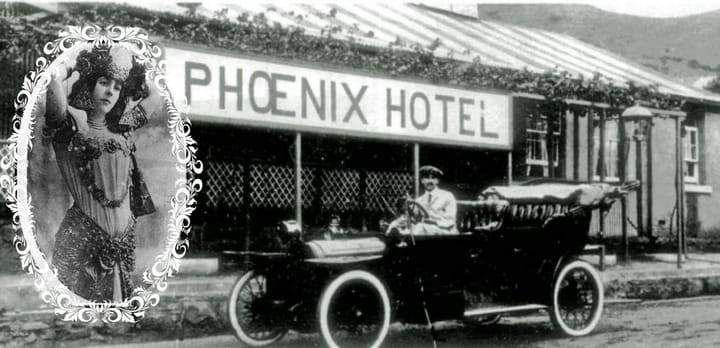
By late 1884, Barberton had become one of the fastest-growing towns in the region. Estimates suggest that within two years the population swelled to around 8 000 people, a remarkable figure for a settlement that had not existed before the strike. Trading stores, boarding houses, banks, saloons and even two stock exchanges operated in the bustling frontier town.
Contemporary accounts described a place of noise, ambition and danger. “The streets were alive with men who had come to wrest fortune from the hills,” wrote one contemporary observer. “Every rumour of a new strike emptied the bars and filled the valleys.”
In 1885, Edwin Bray discovered the Golden Quarry, a spectacularly rich deposit that led to the formation of the Sheba Reef Gold Mining Company and the development of the famous Sheba Mine.
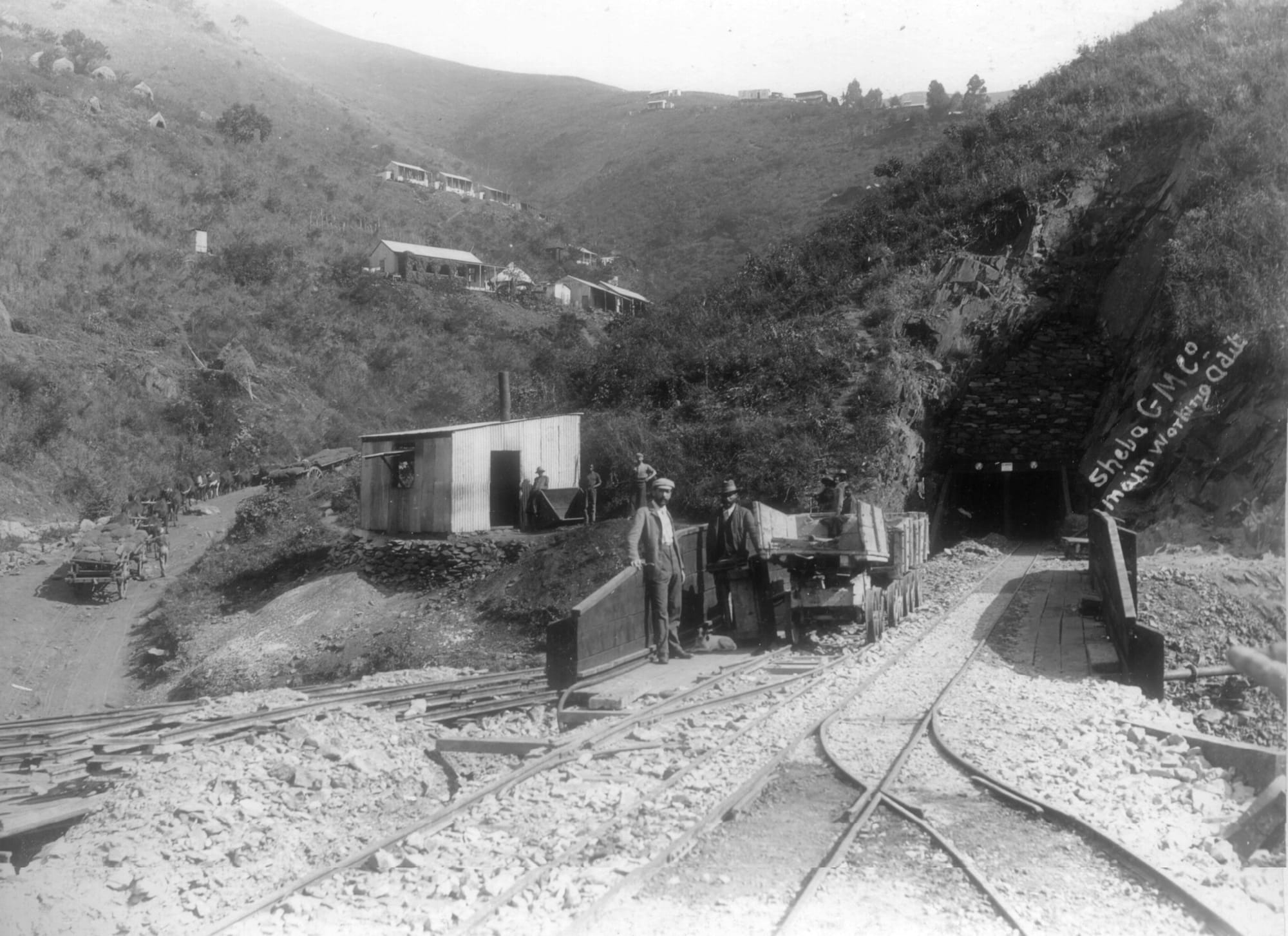
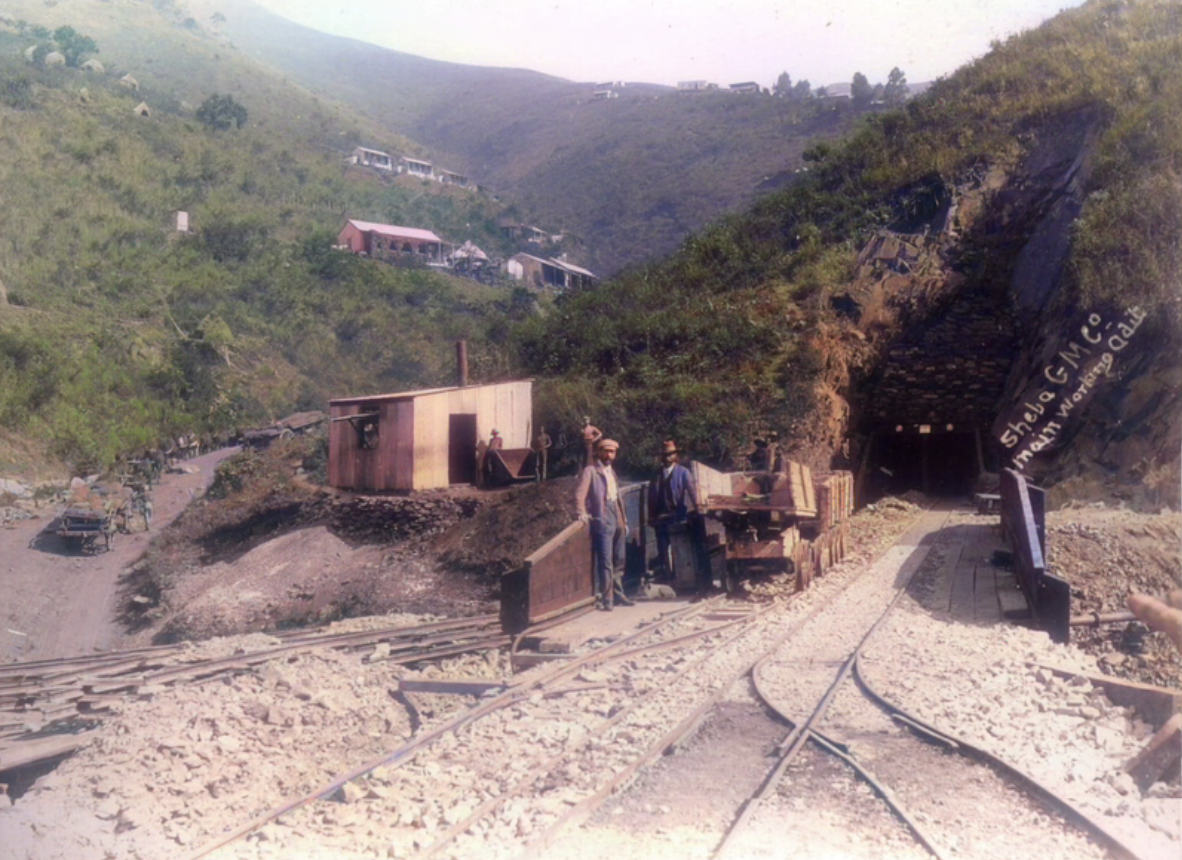
Although the discovery of gold on the Witwatersrand in 1886 shifted attention toward Johannesburg, Barberton did not disappear. It matured from frantic boomtown into established mining settlement, its early drama forever etched into the surrounding hills.
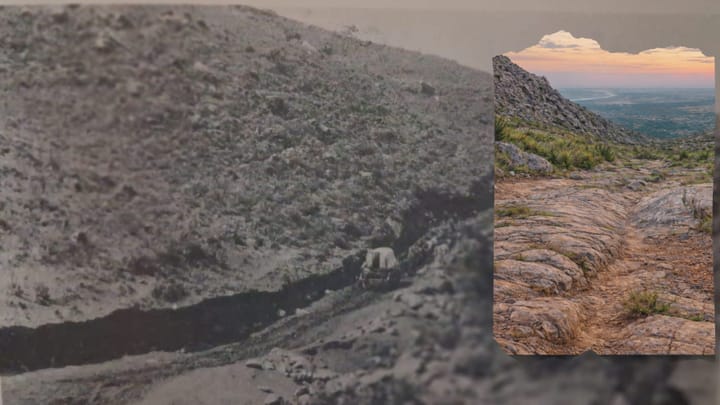
Today, it is difficult to stand along Rimer’s Creek or look toward the hills above the town without imagining the moment when quartz first glittered in the sunlight and changed everything.
The Moodie concession disputes, the Barber brothers’ strike at Umvoti Creek, and the proclamation by David Wilson were not isolated events. Together, they formed the spark that turned wilderness into opportunity, and opportunity into a town whose name still carries the echo of gold.
The story of the Moodie concession and the Barber brothers’ strike remains one of the most dramatic chapters in Lowveld history.
Barberton did not simply grow.
It exploded into existence.

Comments ()