
The joys and responsibilities of pet ownership
Pets bring companionship, laughter and unconditional affection into our homes, but owning an animal involves far more than cuddles and cute photographs.
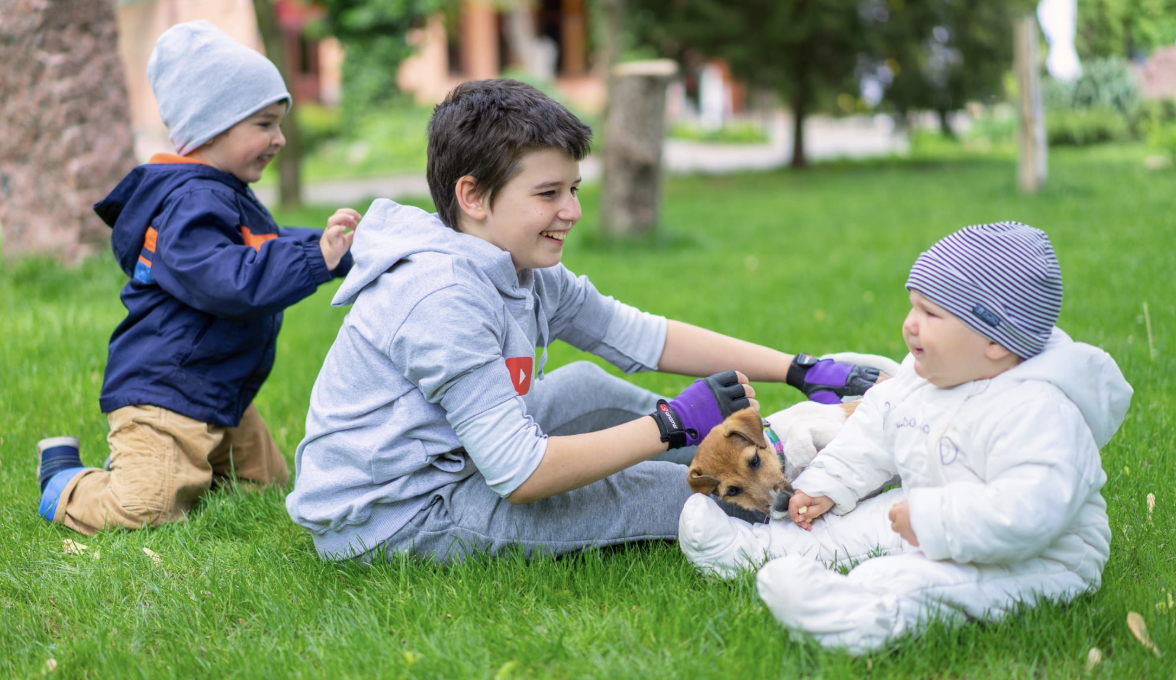

There is something special about coming home to a wagging tail, a contented purr or a pair of eyes that look at you as though you are the most wonderful human being on earth. It does not matter whether you have had a terrible day, burnt the dinner or spent half your salary on unexpected expenses. To your pet, you are still the centre of the universe, especially if you happen to be carrying its supper.
For many people, a home simply would not feel complete without an animal. Dogs, cats and other pets become part of the family, sharing our routines, our living spaces and, occasionally, the furniture they were never invited onto. They offer companionship, affection and entertainment, often without asking for much more than food, attention and a comfortable place to sleep.
Pets can also benefit our emotional wellbeing. Their presence can be comforting during difficult times, while caring for an animal gives structure and purpose to the day. A dog encourages its owner to get outside for a walk, even when the couch seems far more appealing, while a cat can provide quiet company after a long day. Animals have a remarkable ability to make us laugh, too, whether they are chasing their tails, claiming the best chair in the house or investigating something they really should leave alone.
One of the greatest benefits of having a family pet, however, is the opportunity to teach children about caring for another living creature. In a world where much of childhood is spent in front of screens, an animal can encourage youngsters to look beyond their own needs.
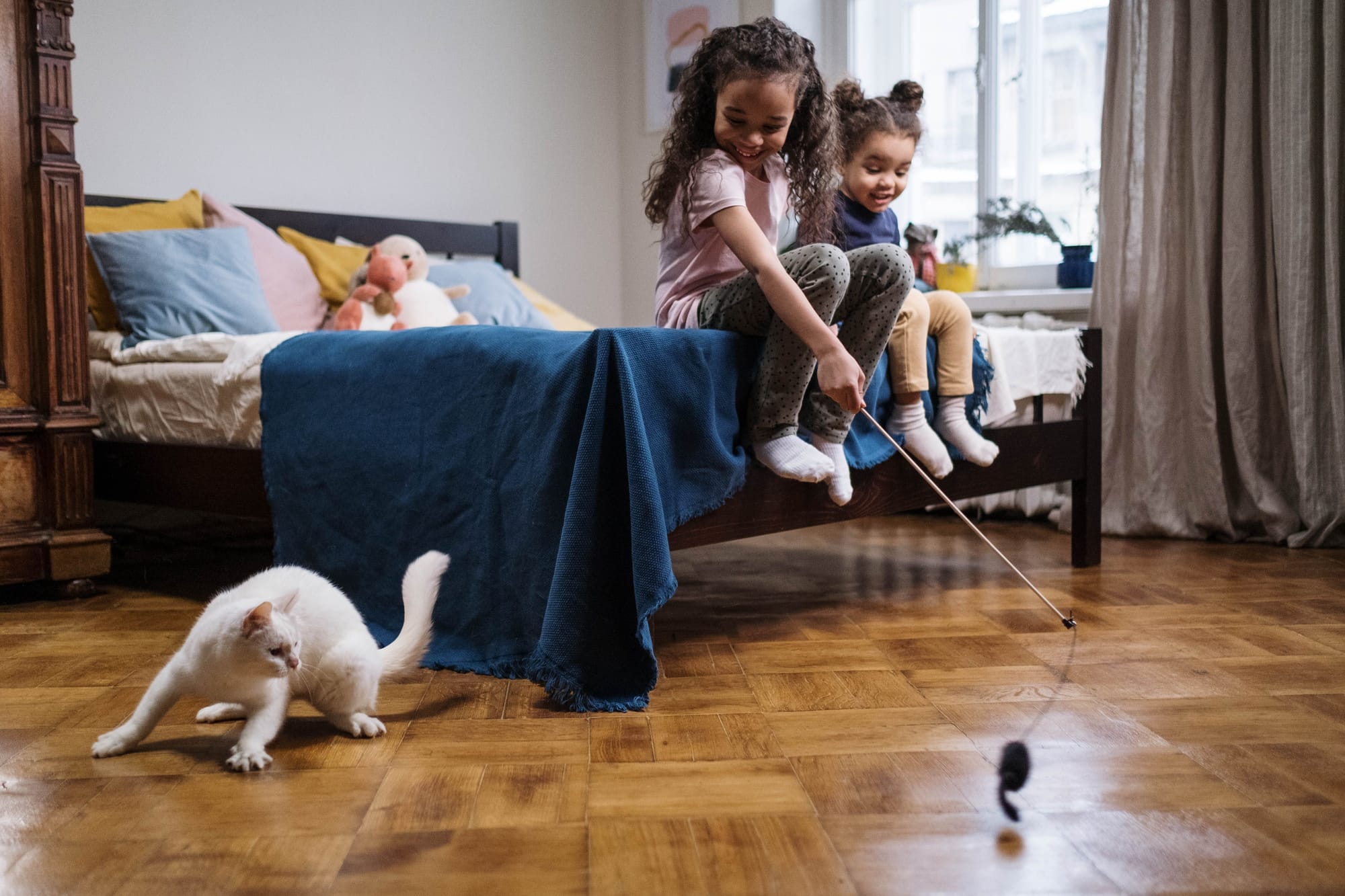
Helping to fill a food bowl, brushing a pet or ensuring that its water is fresh teaches children that responsibility involves consistency. It is not something to do only when convenient. Animals can also teach empathy. Children learn to recognise when a pet is frightened, tired or uncomfortable, and that a sleeping dog should not be disturbed simply because someone wants to play.
These are valuable lessons in kindness, patience and respect for boundaries. However, parents should remember that a pet is never a child's responsibility alone. The excitement of receiving a puppy or kitten may last for weeks, but the daily work continues long after the novelty has worn off. Adults remain responsible for the animal's care and welfare.
Of course, pet ownership is not for everyone, and there is nothing wrong with admitting it. People with demanding schedules, limited finances or unsuitable living arrangements should think carefully before bringing an animal home. Others simply prefer not to share their homes with pets. That is perfectly acceptable. It is far better to recognise one's limitations than to acquire an animal that cannot receive the care it deserves.
Food is only one of the costs involved. Veterinary consultations, vaccinations, sterilisation, parasite prevention and unexpected medical emergencies can place a considerable strain on a household budget. An animal that becomes ill cannot be expected to wait until payday for treatment.
Time is equally important. Dogs need companionship, exercise and training, while cats and other animals also have particular social and environmental needs. A garden and a bowl of food are not substitutes for proper care and attention.
Prospective owners should think beyond the initial excitement. Puppies grow into adult dogs, kittens develop their own personalities, and older animals may eventually need more intensive care. Holidays require planning, accommodation may restrict pets, and changes in employment or living arrangements can complicate matters. An animal is not a fashion accessory or an impulse purchase simply because it looks adorable or the children have been pleading for one.
Adopting from a reputable animal welfare organisation can give a deserving animal a second chance at a loving home. The important thing is to choose a pet that suits the household's lifestyle, space and resources, rather than choosing purely on appearance or breed.
Responsible ownership also means providing suitable food, clean water, shelter, exercise and veterinary care, while protecting animals from neglect and cruelty. Here in the Lowveld, shade and constant access to fresh water are essential during hot weather. Animals should never be left inside a hot vehicle, even for a few minutes.
Then there is the inevitable heartbreak. A pet's life is usually shorter than its owner's, and saying goodbye can be devastating. For children, the loss of a beloved animal may be their first experience of grief. Although difficult, it can also provide an opportunity for honest conversations about love, loss and the importance of making an animal's life as comfortable and happy as possible.
Perhaps that is the real lesson of pet ownership. The affection we receive from animals is a privilege, not an entitlement. They depend on us to make decisions in their best interests, even when those decisions are inconvenient or expensive.
A pet can enrich a home, teach a child compassion, keep someone company and provide years of laughter and affection. But those rewards come with a commitment that should never be taken lightly. Being a good pet owner is not measured by how many photographs of our animals we share or how much we enjoy cuddling a puppy. It is measured by how well we care for them when life becomes busy, when the novelty fades and when their needs require extra effort.
A pet should never have to pay the price for a human being's poor planning. We choose to bring animals into our lives; they do not get to choose us. The least we can do is ensure that the home we offer them is one where they are wanted, protected and loved for the whole of their lives.
 Anchen Coetzee

 Naomi Roebert
 Mariana Balt
 Liz Thorne



Comments ()