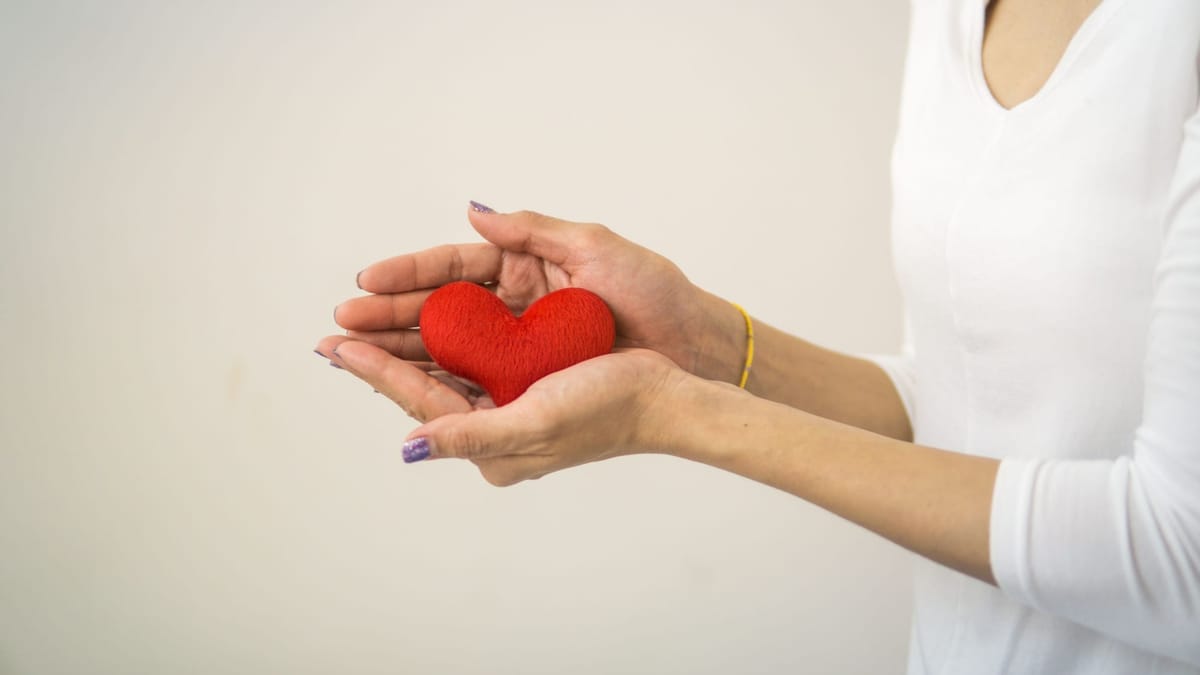
The gift only you can give
The De Kaap Valley has always shown remarkable generosity when neighbours are in need. Donating blood is also a way of extending the spirit of caring. It only costs a little time, yet its value is beyond measure.



Every day, somewhere in South Africa, someone is involved in a serious motor vehicle accident, undergoes emergency surgery, gives birth with unexpected complications, receives cancer treatment or requires blood because of a chronic illness. Behind many of these medical emergencies is one vital resource that cannot be manufactured or replaced: donated blood.
Despite advances in modern medicine, scientists have still not found a way to create artificial blood. Hospitals rely entirely on the generosity of ordinary people who choose to donate. When blood supplies run low, surgeries may have to be postponed, accident victims may face unnecessary risks and doctors are left with fewer options when treating critically ill patients.
One blood donation has the remarkable ability to save up to three lives. This is because donated blood is separated into red blood cells, plasma and platelets, each of which can be used to help different patients with different medical conditions. A single donation could assist a trauma patient, a cancer patient and a premature baby.
In South Africa, blood is needed every single day. Road accidents, major operations, organ transplants, childbirth complications and the treatment of diseases such as leukaemia all depend on a steady supply. During school holidays, long weekends and festive seasons, blood stocks often decline as regular donors travel or become too busy to donate. Ironically, these are also the times when serious accidents tend to increase, placing even greater pressure on blood supplies.
Many people would like to donate but are discouraged by misconceptions. One of the most common fears is that donating blood is painful. In reality, apart from the brief prick of the needle, most donors experience very little discomfort. The actual donation usually takes between five and ten minutes, while the entire visit, including registration and refreshments afterwards, generally takes less than an hour.
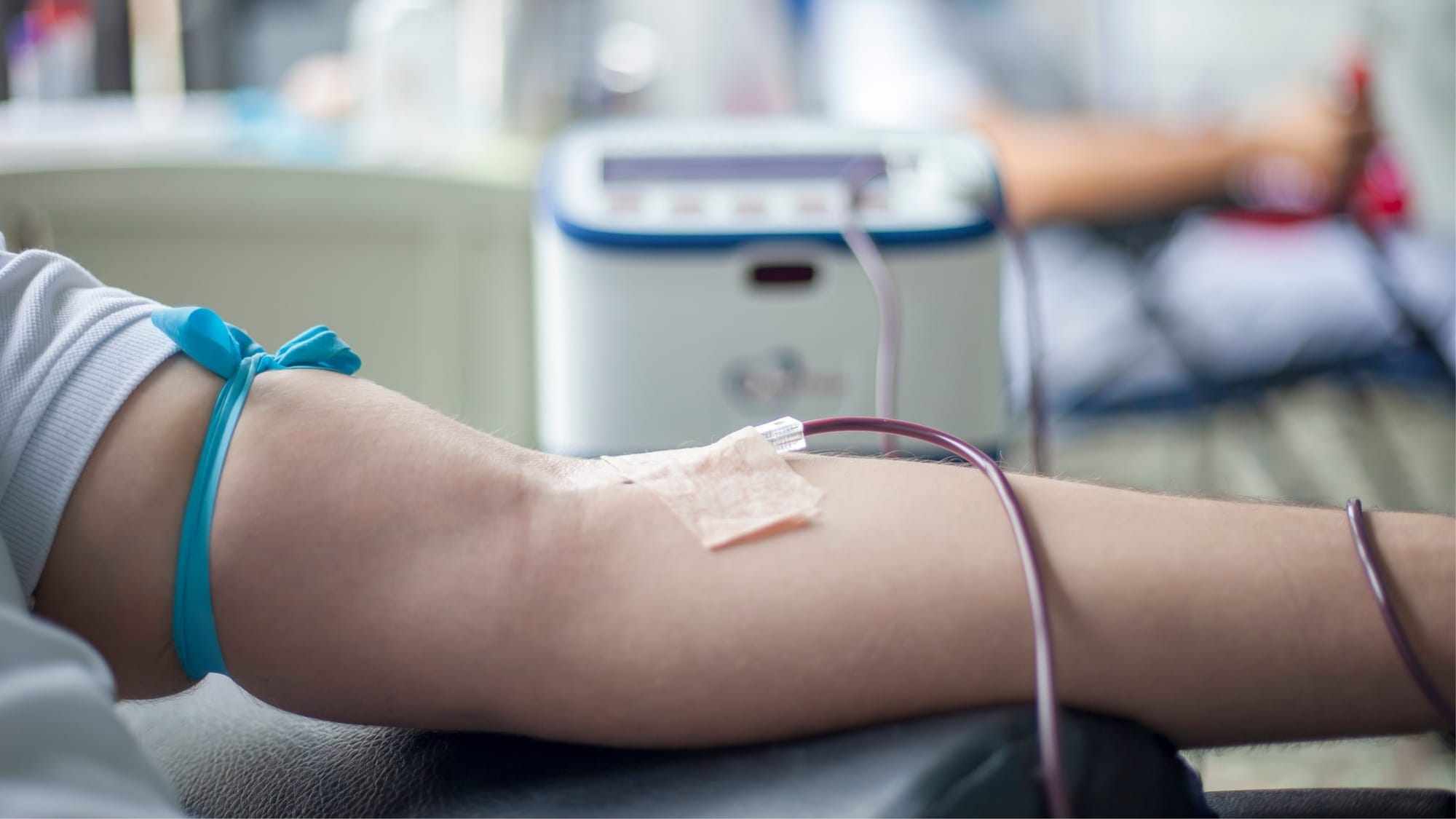
Others worry that they will become weak after donating. The human body replaces the plasma within about 24 to 48 hours, while red blood cells are replenished over the following weeks. Healthy adults can safely donate blood at regular intervals without harming their health.
Blood donation can even provide benefits to the donor. Every donation includes a mini health assessment where blood pressure, pulse, haemoglobin levels and general health are checked before the donation proceeds. Many donors also describe a deep sense of satisfaction, knowing that they may have played a part in saving someone they will probably never meet.
To donate blood, individuals must generally be between the ages of 16 and 75, weigh at least 50 kilograms and be in good general health. Certain medical conditions, recent illnesses, tattoos, travel history or medications may temporarily prevent donation, but trained staff assess every donor individually to ensure the safety of both the donor and the recipient.
One of the greatest challenges facing blood services is maintaining a stable donor base. Many people only think about donating after a family member or friend requires a transfusion. By then, someone else's earlier donation may already have made the difference. Regular donors are the backbone of every blood service, ensuring that supplies are available before emergencies occur.
The De Kaap Valley has always shown remarkable generosity when neighbours are in need. Blood donation is another way of extending that spirit of caring. It only costs a little time, yet its value is beyond measure. The blood donated today may save the life of a child injured in an accident, a mother experiencing complications during childbirth or even someone you know and love.
The next time you see a blood donation clinic in your community, consider stopping for a few minutes. You may never know whose life you helped save, but for that person and their family, your donation could mean everything.
 Charlotte Hayes
 Naomi Roebert
 Anchen Coetzee
 Liz Thorne
 Charlotte Hayes

Comments ()