
One man’s rubbish, another’s rose bed: upcycling old tyres into garden planters
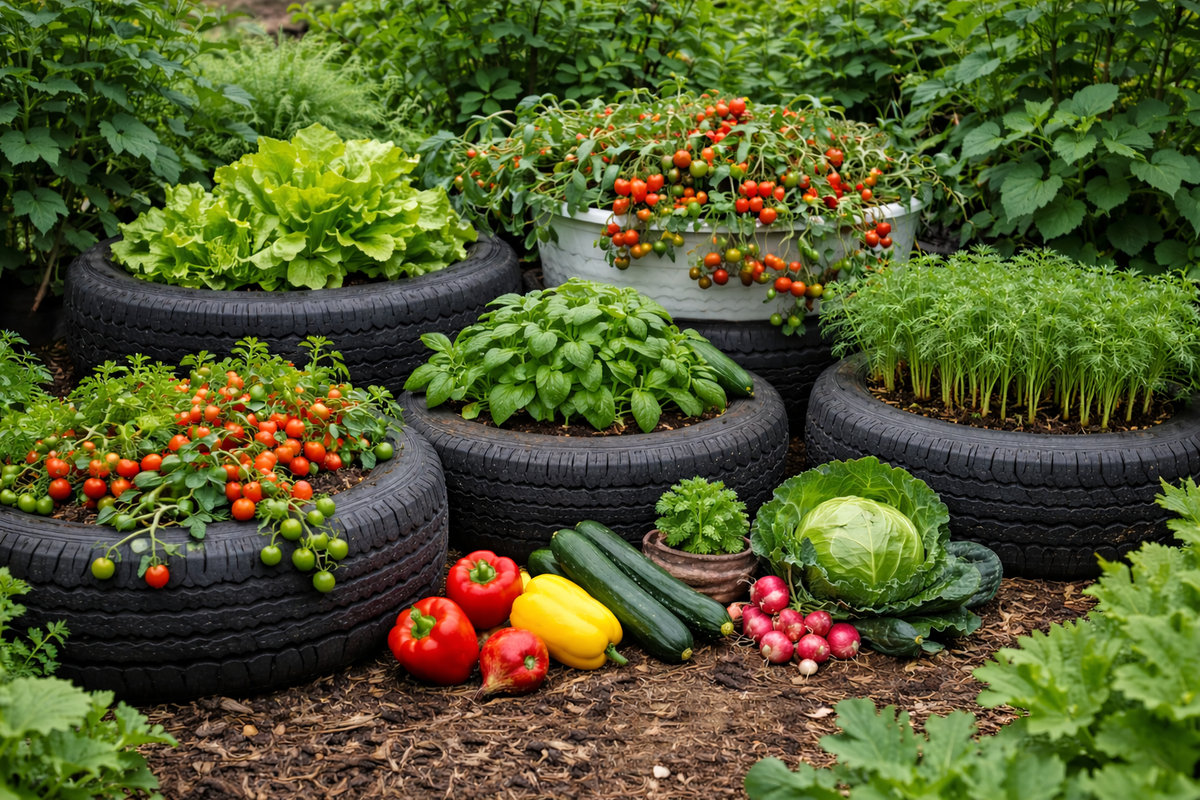
One growing trend that has taken root in towns, villages and plots alike is the creative upcycling of old tyres into colourful garden planters.
🔴 You might also like to read:
 Jeannetta Neethling
 Mariana Balt
After the heavy rain, and the welcome return of sunshine across Barberton and the greater De Kaap Valley, many residents are turning their attention back to their gardens. One growing trend that has taken root in towns, villages and plots alike is the creative upcycling of old tyres into colourful garden planters.
What was once considered a waste problem is now being transformed into practical, affordable and often eye-catching garden features, proving once again that one man’s rubbish can truly become another’s rose bed.
Old tyres are notoriously difficult to dispose of. They do not decompose easily and are often illegally dumped along roadsides, in rivers or in the veld, where they become environmental hazards and breeding grounds for pests. By repurposing tyres in home gardens, residents not only reduce waste but also contribute to cleaner neighbourhoods.
For many households, tyres are also readily available and free or inexpensive, making them an accessible option during financially challenging times.
It can be a garden solution as tyres are surprisingly versatile and can be used in a variety of ways such as:
• Flower planters for annuals and perennials
• Herb gardens placed close to kitchen doors
• Vegetable planters for shallow-root crops such as lettuce, spinach and spring onions
• Garden borders along paths or driveways
• Raised beds for improved drainage
• Children’s play features, such as swings or climbing stacks, when securely installed.
One of the most appealing aspects of tyre planters is the opportunity to add colour and character to outdoor spaces. Tyres can be painted in bright hues to brighten dull corners or matched to the colours of flowers, walls or outdoor furniture.
Some gardeners take creativity a step further by using stencils or patterns, stacking tyres to create tiered planters, cutting and flipping tyres into decorative flower bowls, or turning gardening into a fun family activity.
Remember to think about the following safety and health consideration:
• Drill drainage holes to prevent standing water and mosquito breeding
• Consider lining tyres with plastic or fabric when growing food crops
• Use tyres mainly for ornamental plants, herbs or shallow-root vegetables
• Place tyres where they will not overheat excessively
• Never burn tyres, as this releases toxic fumes.
Tyres retain moisture well, making them ideal for water-wise gardening. After good rainfall, they help keep soil damp for longer periods, reducing the need for frequent watering.
In towns like Barberton and surrounding rural areas, tyre planters are particularly practical. Tyres can often be sourced from local workshops with permission, and their adaptability suits a wide range of garden sizes and conditions.
From neat town gardens to spacious plots, tyre planters offer a simple way to beautify spaces while making environmentally responsible choices.
As more residents embrace creative recycling, gardens across the De Kaap Valley are becoming living examples of how sustainability and style can go hand in hand.
🔴 You might also like to read:
 Jeannetta Neethling
 Mariana Balt


Comments ()