
Life beyond the dust and danger in the early mining town of Barberton
Today, echoes of that vibrant past remain in heritage buildings, local traditions, and the stories still shared across generations, because even in the toughest of times, Barberton’s people understood, and still understand, the value of laughter and music.
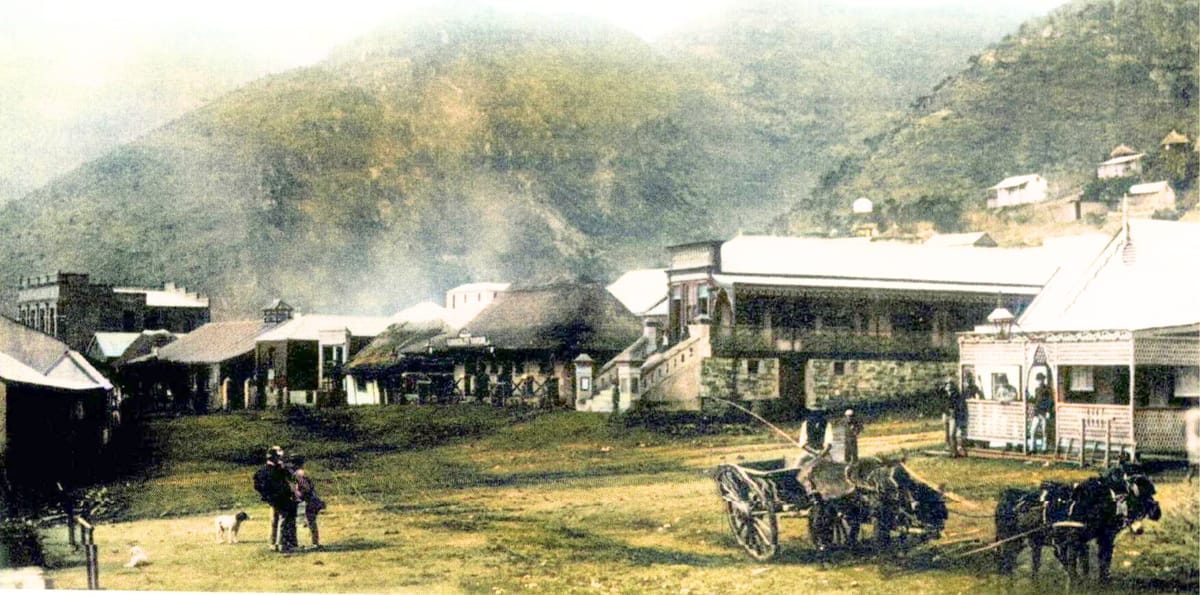
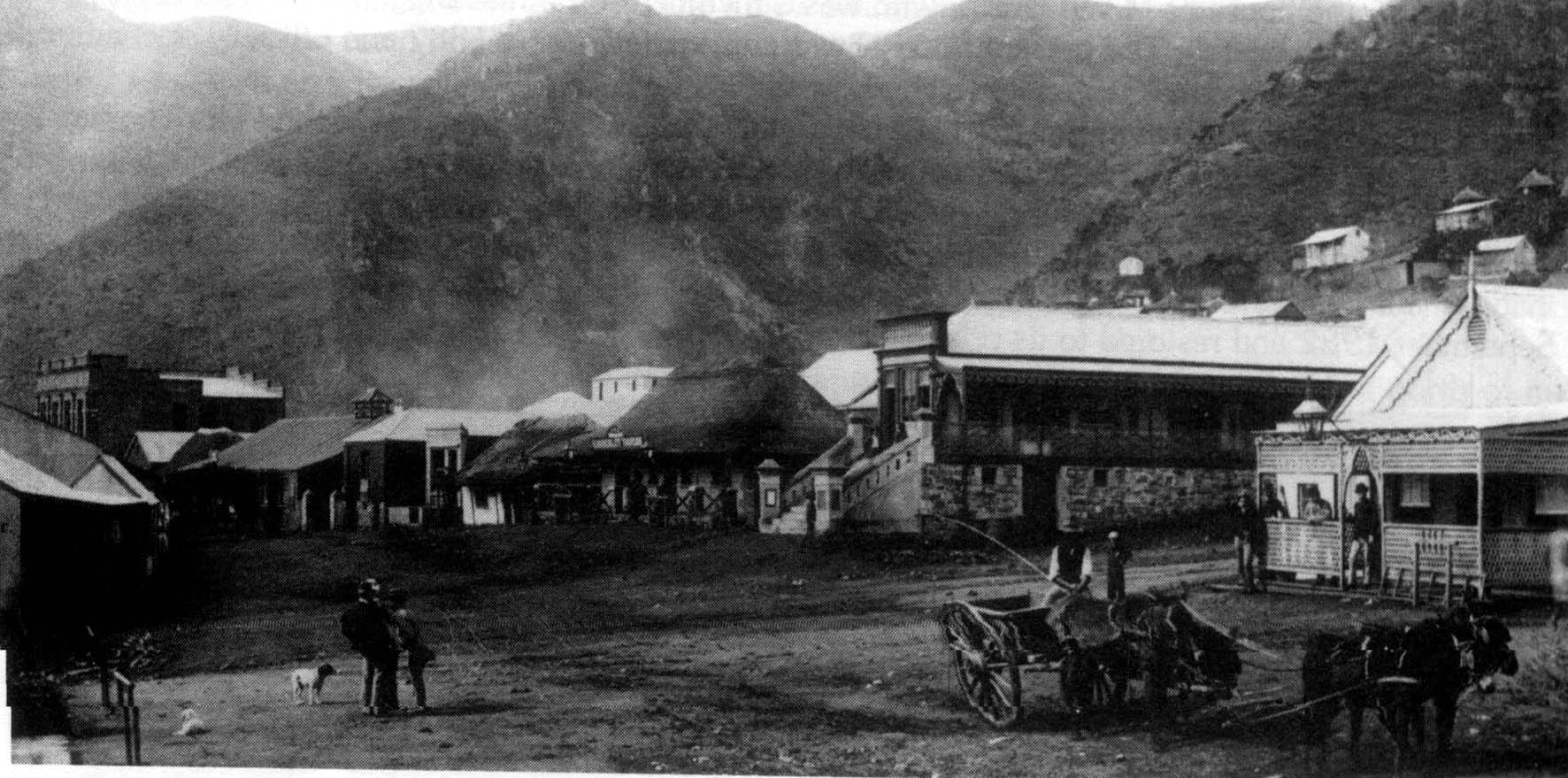
Long before Barberton’s streets were paved and its stories written into history books, life in this gold rush town was raw, unpredictable and often exhausting. Yet when the day’s digging was done, a different side of Barberton emerged.
In the late 1800s, as gold fever swept through the De Kaap Valley, Barberton quickly transformed into a bustling frontier town. Prospectors, fortune seekers, traders, and soldiers flooded the area, each bringing their own cultures, habits, and need for entertainment.
As one early observer noted, “Barberton by night was as lively as any city, though by day it was all dust, sweat and determination.” A local anecdote often repeated in historical circles captures the spirit of the time: “Men came for gold, but stayed for the stories.”
After long, gruelling days in the mines, men gathered in canteens and bars along what would later become the town’s historic core. Establishments like the early canteens near today’s market square and transport routes became centres of activity.
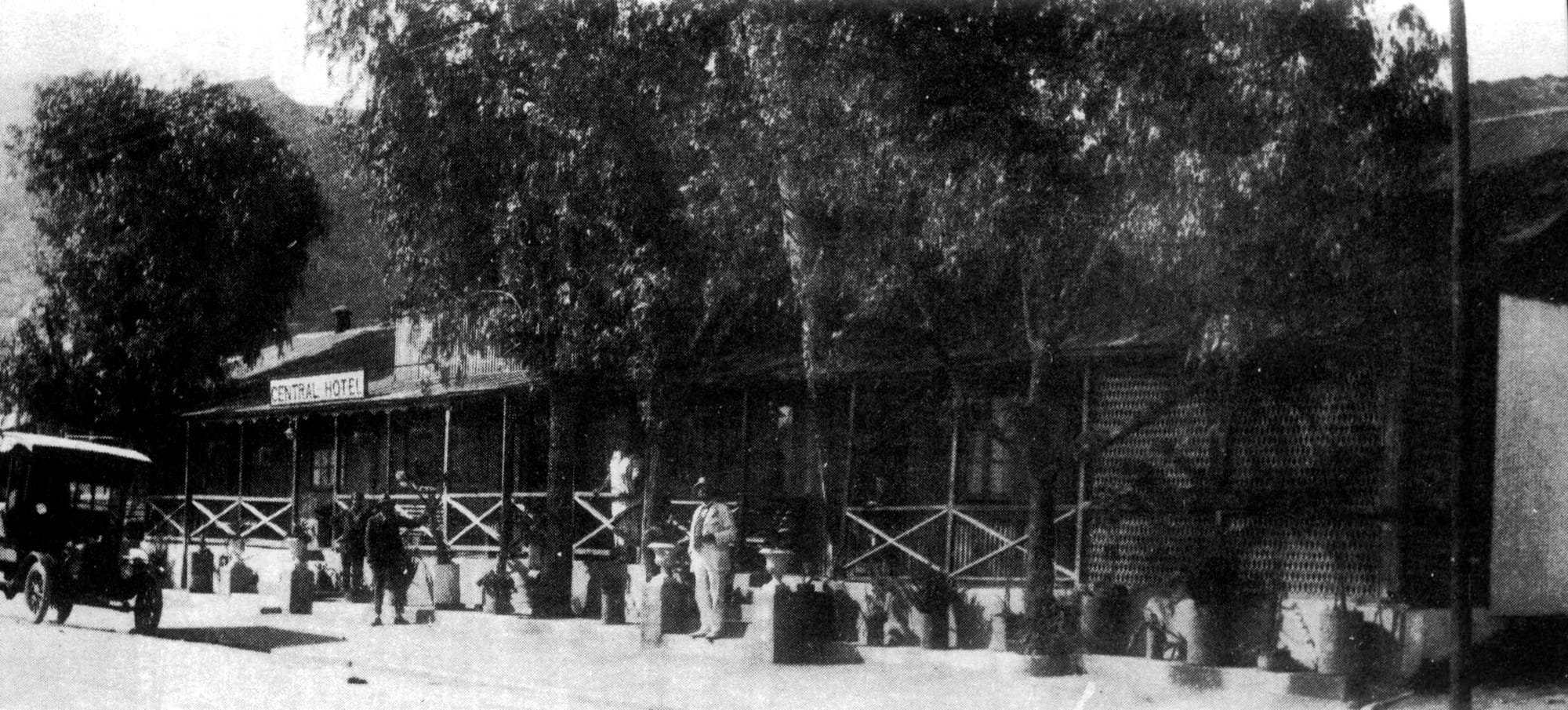
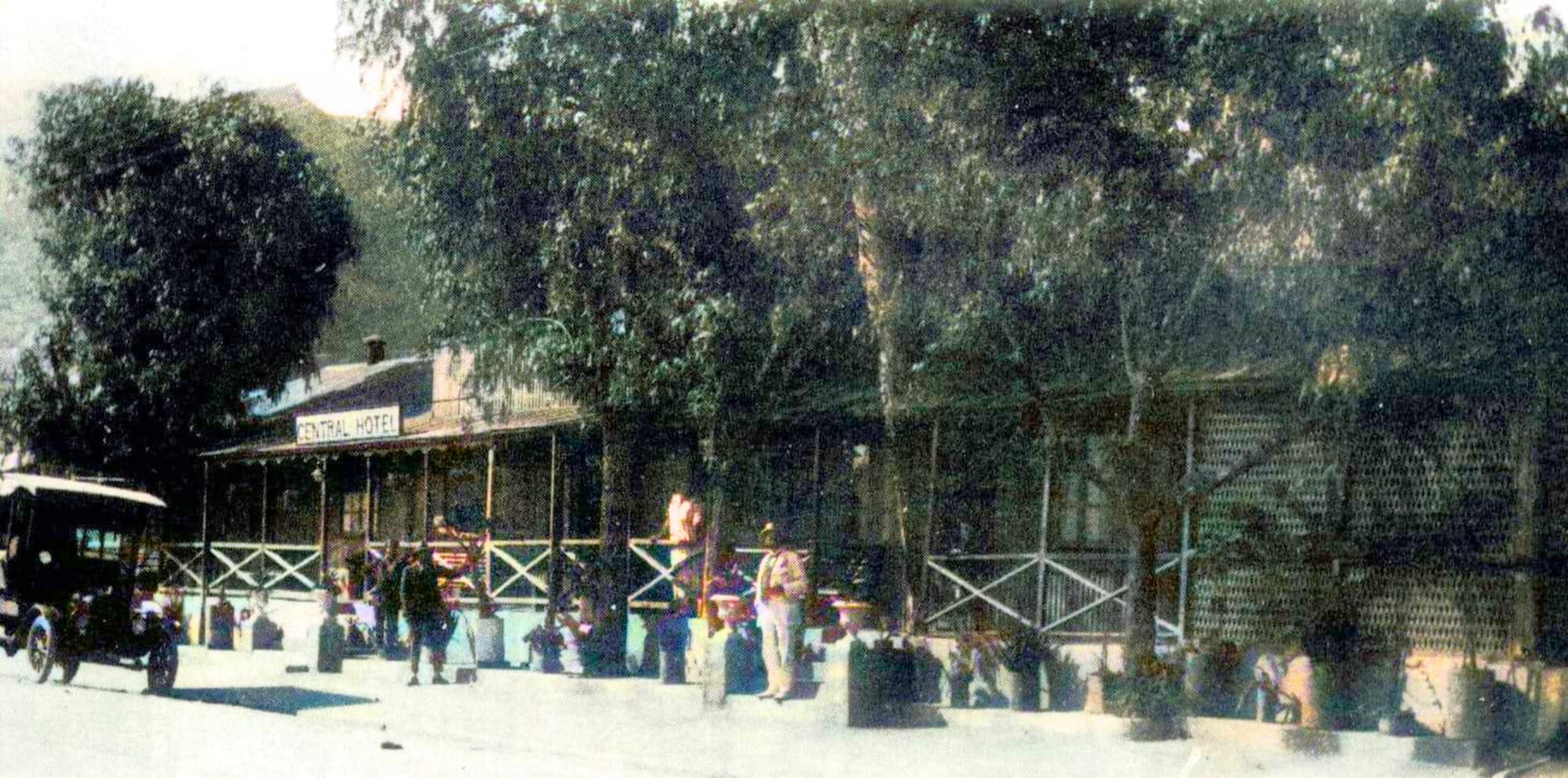
The clink of glasses, bursts of laughter, and heated arguments over card games formed the nightly rhythm of the town. Gambling was a favourite pastime. Card games such as poker drew eager crowds, with fortunes sometimes won, and lost, in a single evening.
“Gold was earned in the day and spent by night,” wrote one traveller passing through the Lowveld in the 1880s.
However, Barberton’s social life was not all rough edges. Music brought people together in ways that transcended language and background. Miners gathered with fiddles, concertinas, and improvised instruments, filling the warm Lowveld evenings with song. Informal dances often took place under canvas tents or out in the open, lit by lanterns and firelight.
As the town developed, more structured social gatherings emerged. Subscription dances and formal balls were held in larger venues and temporary halls, offering a sense of occasion and refinement. According to regional accounts of the time, “Even in the roughest camps, there was always room made for music.”
Women, though fewer in number in the early years, played an important role in shaping these gatherings, bringing stability, grace, and a sense of normalcy.
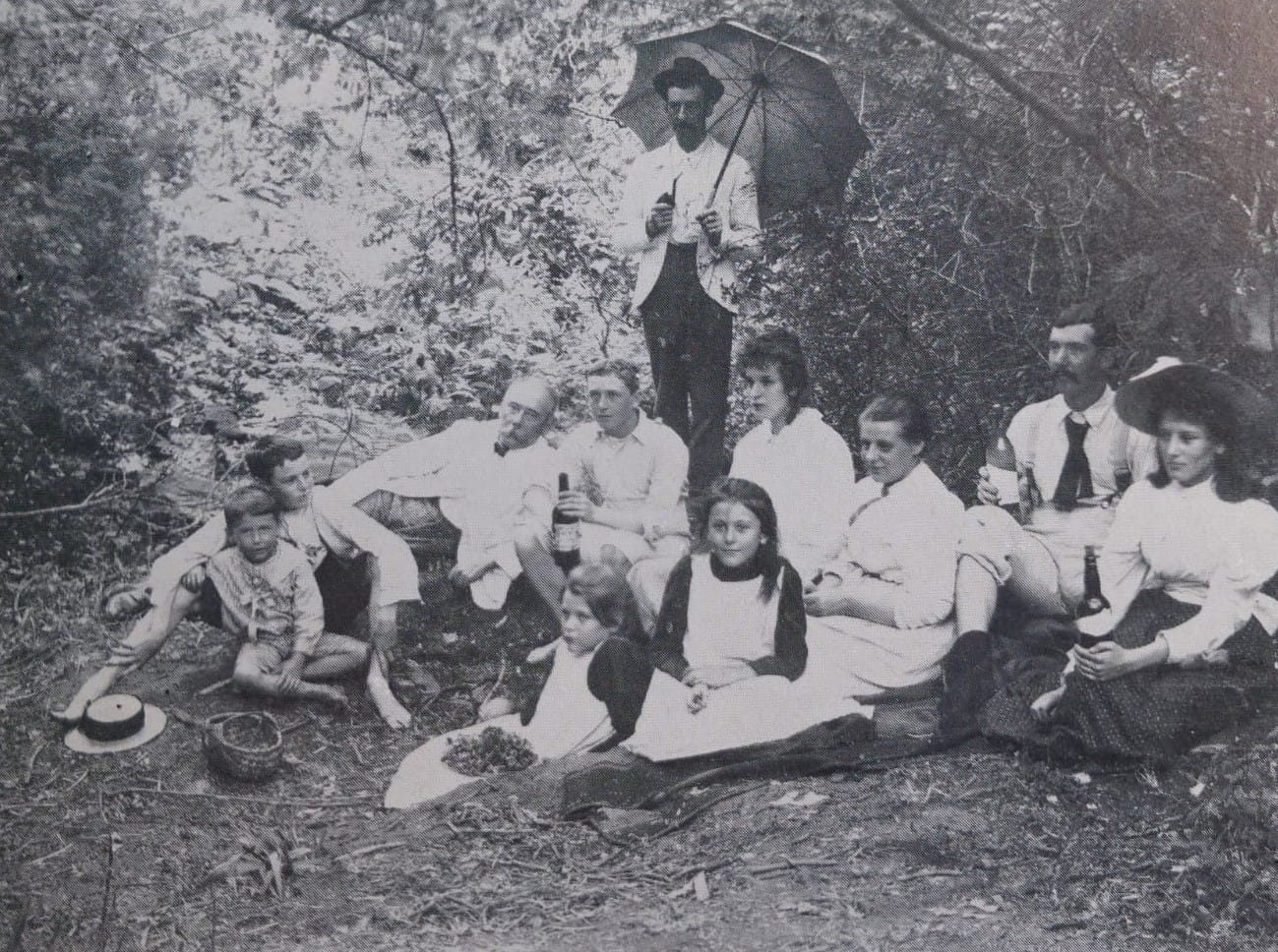
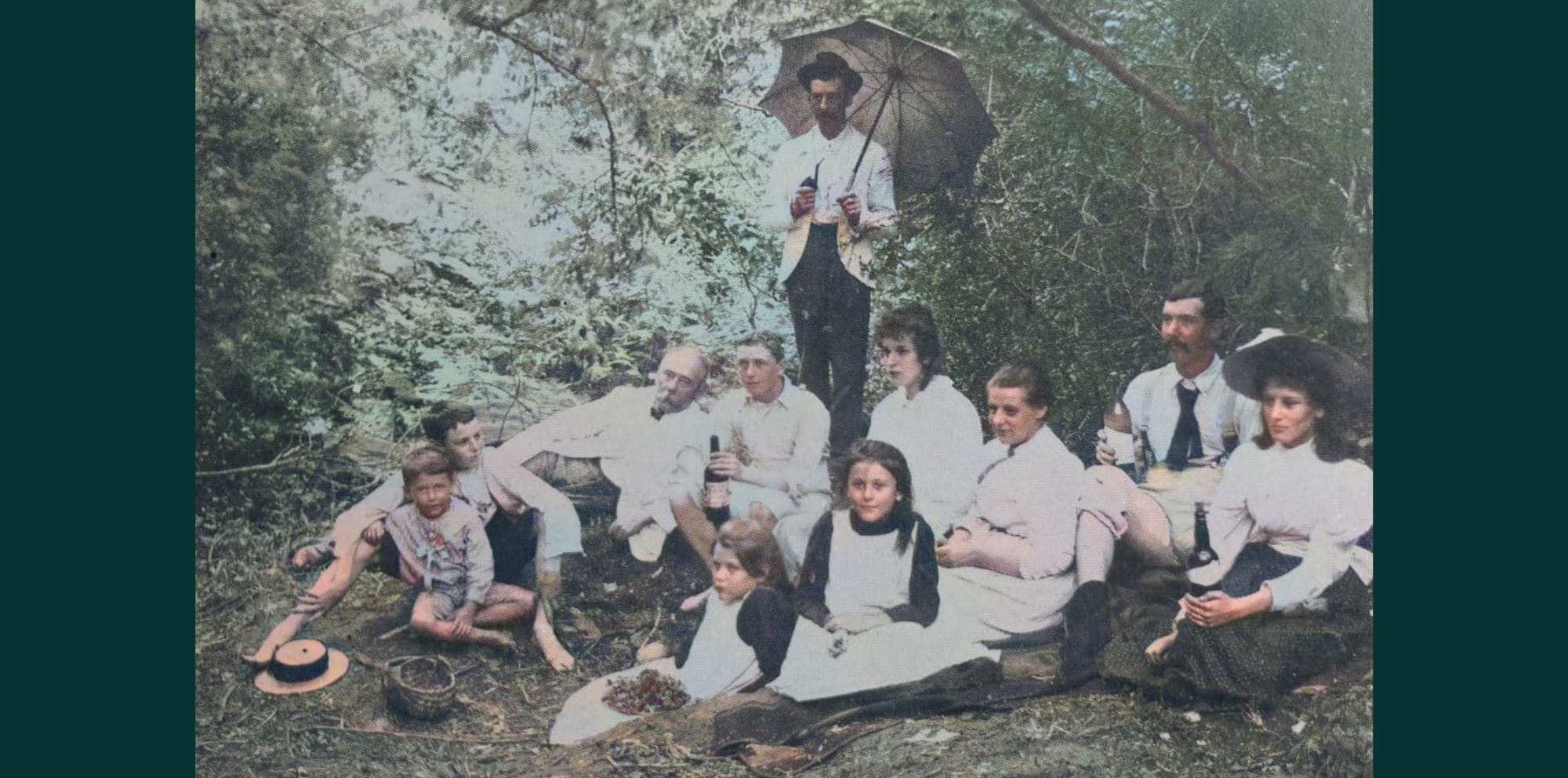
Barberton’s rapid growth soon attracted travelling entertainers. Performers moved between towns like Pilgrim’s Rest and Barberton, bringing music, theatre, and variety shows to eager audiences. These performances were often staged in makeshift halls or adapted public spaces, and drew large crowds.
One travelling entertainer reportedly wrote, “The people of Barberton welcomed any chance to laugh, they applauded as if the theatre were grand.”
The presence of soldiers in the region added another layer to Barberton’s social fabric. Whether stationed nearby or passing through, they brought stories of conflict, travel, and distant lands. Around campfires, these stories were shared and retold, blending fact with folklore. Storytelling became a form of entertainment in its own right. Tales of survival, humour, and adventure helped forge bonds between strangers.
As one soldier is believed to have said, “A good story could carry a man further than a day’s march.”
Like many frontier towns, Barberton also had its darker side. Illicit drinking, fights, and informal trade in companionship were part of early mining town life. Law enforcement struggled to keep pace with rapid population growth, but efforts were made to establish order through churches, missions, and civic structures.
Despite these challenges, many residents worked hard to build a stable and lasting community.
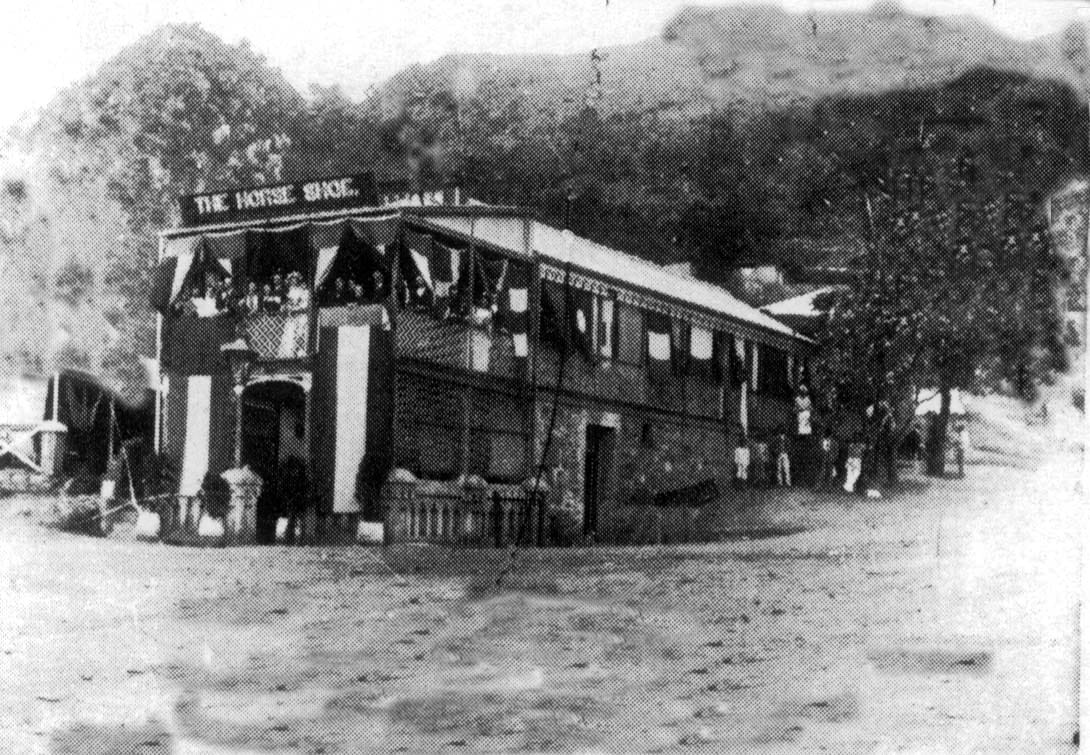
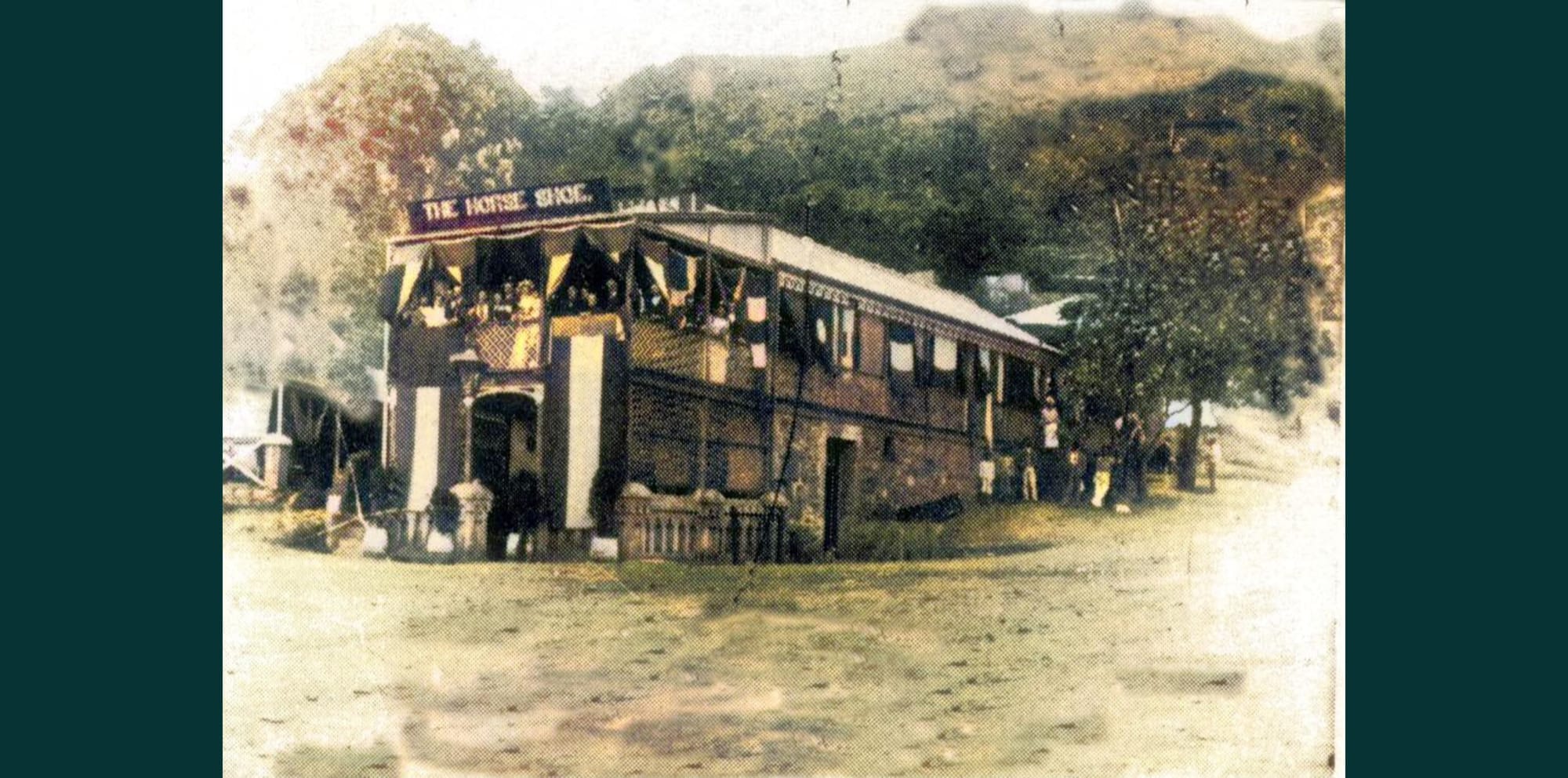
What makes Barberton’s story remarkable is not just the gold that drew people here, but the life they created around it. Entertainment was more than a distraction, it was a necessity. It helped people cope with hardship, build relationships, and gave soldiers a sense of normality in uncertain times.
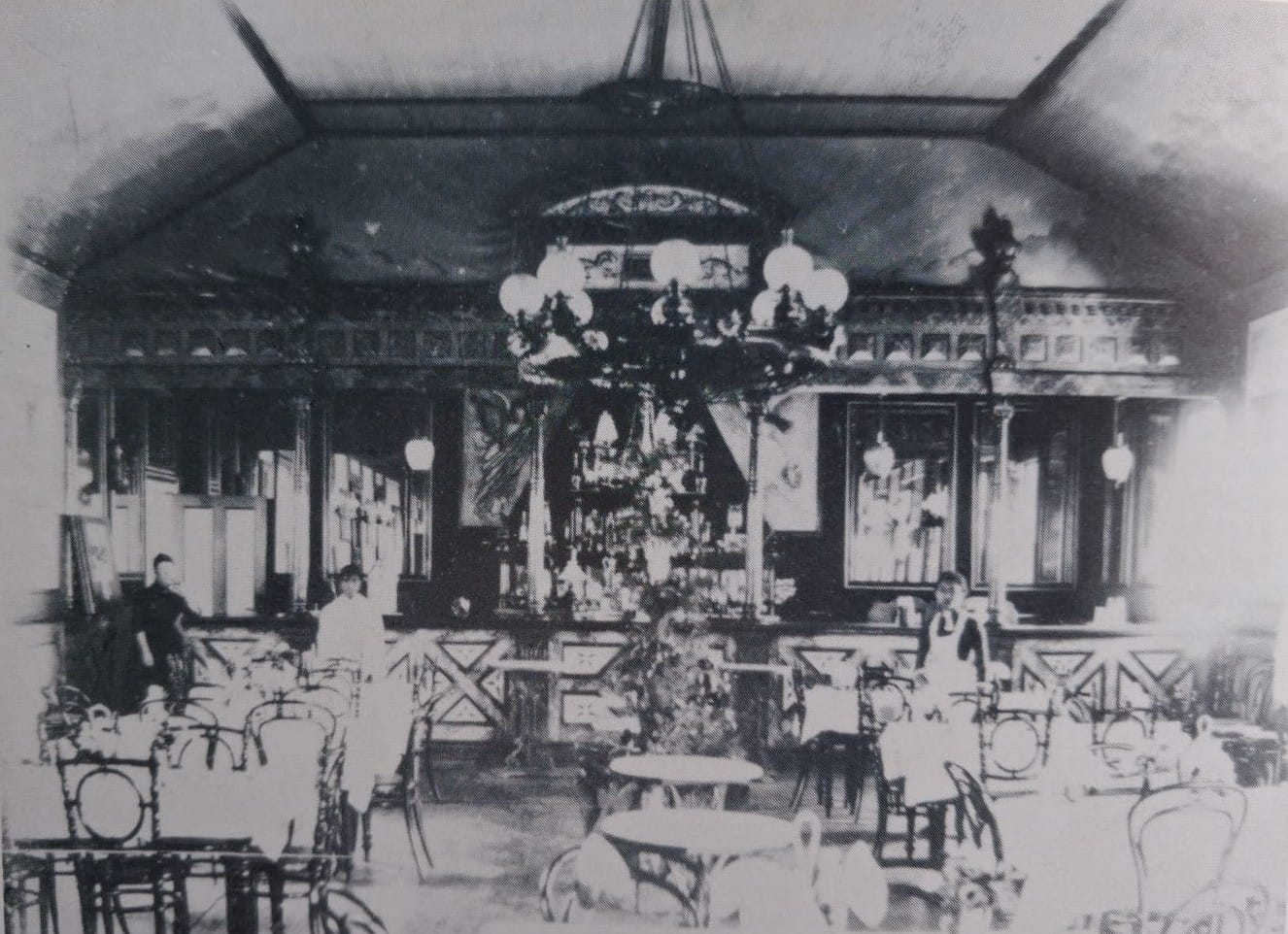
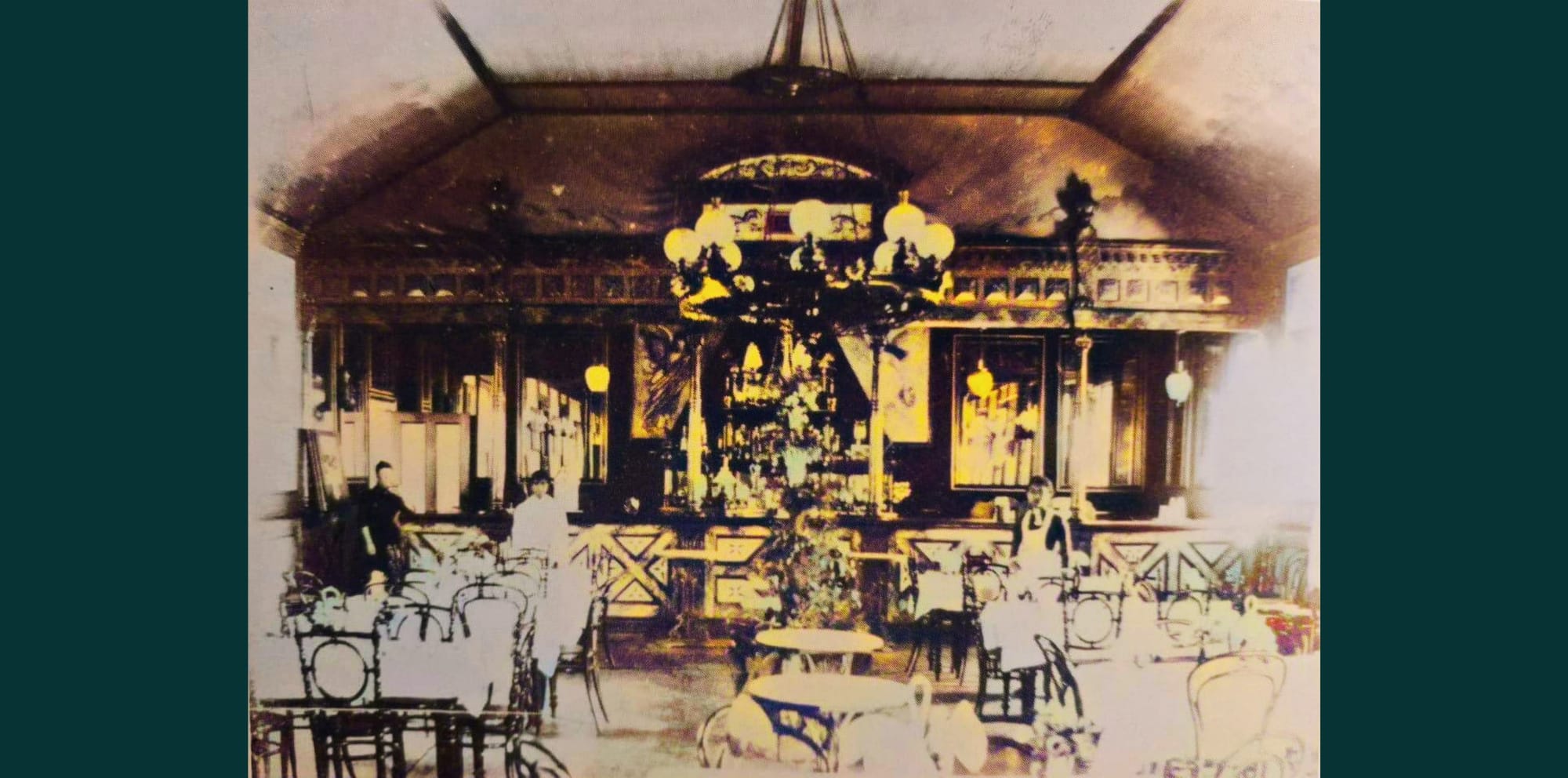
Today, echoes of that vibrant past remain in heritage buildings, local traditions, and the stories still shared across generations, because even in the toughest of times, Barberton’s people understood, and still understand, the value of laughter and music.
Comments ()