
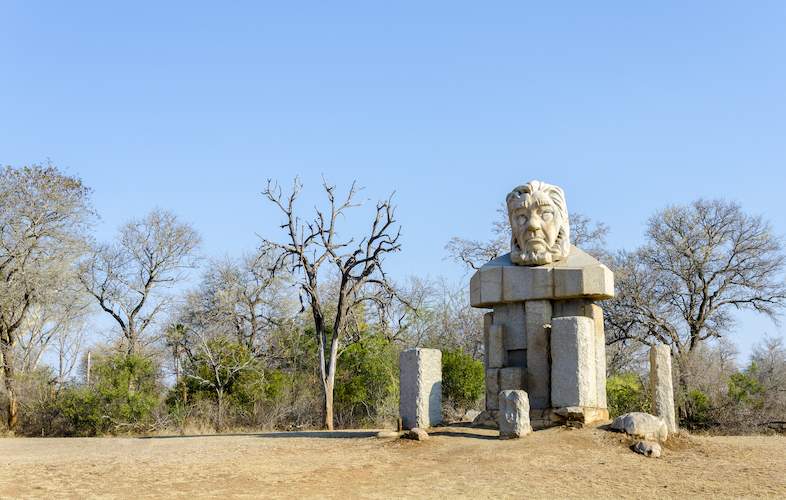
The Kruger National Park celebrates 100 years this year, and for many Lowvelders, this world-famous wildlife paradise has always been right on our doorstep.
 Robertson Winery
For many Lowvelders, a trip to the world-famous Kruger National Park is not a once-in-a-lifetime holiday, it is part of life itself. Families from Barberton, Mbombela, White River and surrounding areas have spent generations loading cooler boxes into vehicles before sunrise and heading through the gates of one of the world’s greatest wildlife destinations.
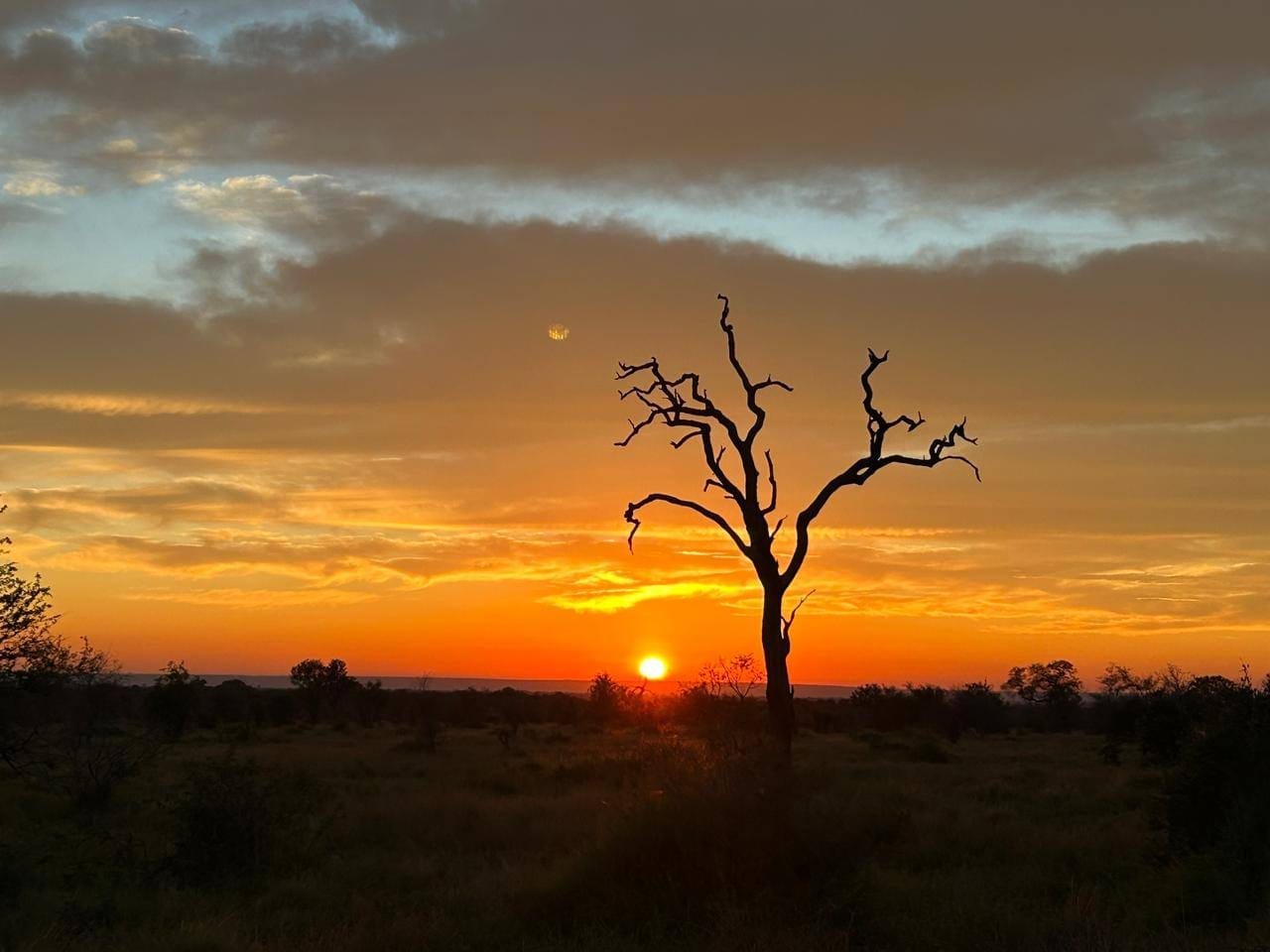
This year, the park celebrates a remarkable milestone, 100 years since it was officially proclaimed South Africa’s first national park in 1926.
Although the park attracts millions of visitors from across the globe every year, many people living in the Lowveld sometimes forget how fortunate they are to have this international treasure virtually on their doorstep. From Barberton, visitors can reach southern Kruger within an hour or so, making weekend game drives and bush getaways a regular part of Lowveld culture.
Yet long before the tar roads, luxury lodges and camera-toting tourists, the Kruger area was a wild and dangerous frontier where wildlife populations were under severe threat.
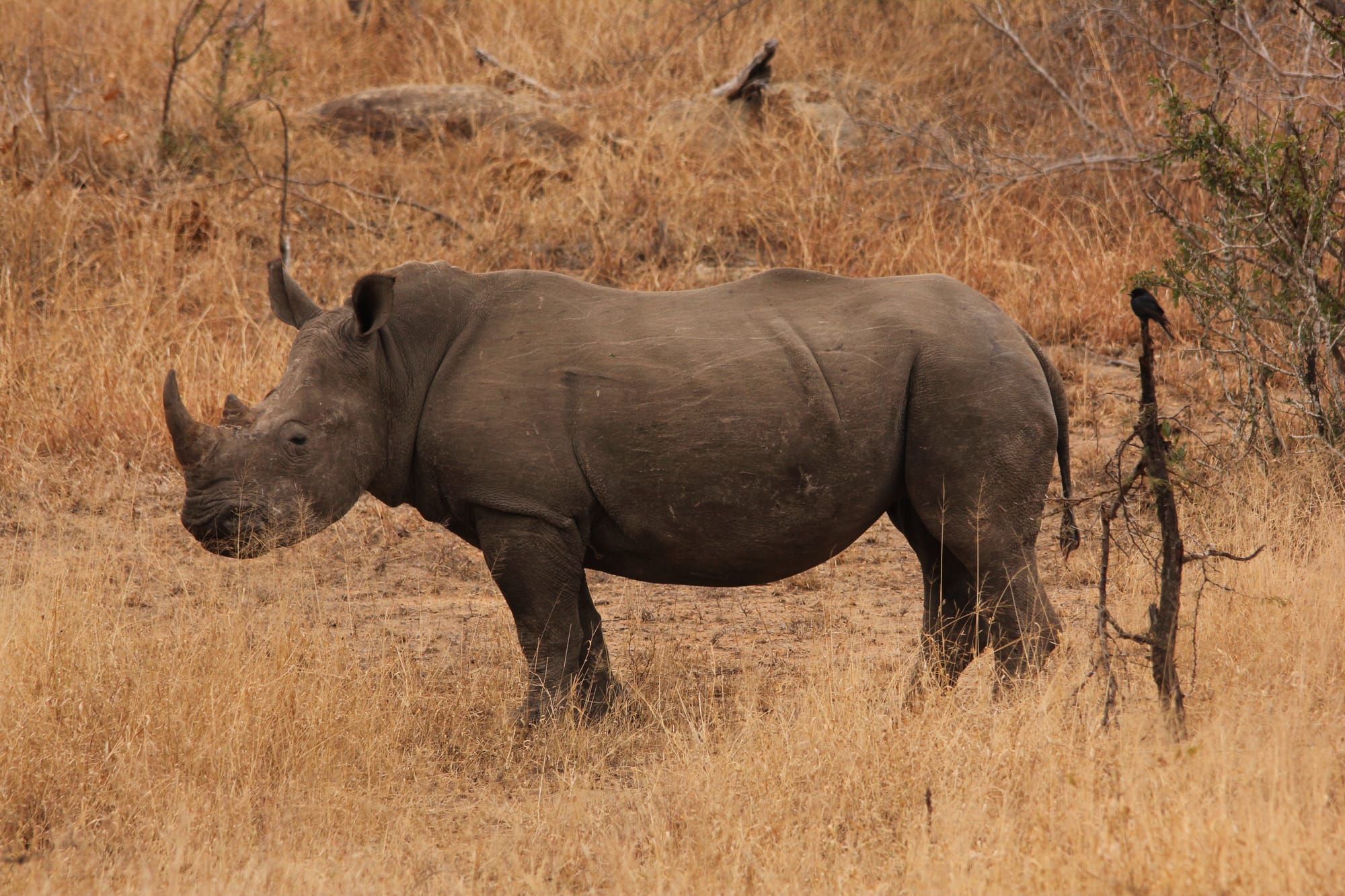
The story of the park began in the late 1800s when wildlife numbers in the Transvaal were rapidly declining due to uncontrolled hunting, ivory trading and expanding settlement. Concerned about the destruction of wildlife, former Transvaal president Paul Kruger supported the creation of a protected area where animals could survive for future generations.
In 1898, the Sabi Game Reserve was established between the Sabie and Crocodile rivers. At the time, conservation was still a relatively new idea, and many people could not understand why land should be set aside purely for wildlife protection.
The reserve was initially little more than an enormous untamed wilderness with few roads, limited infrastructure and countless challenges. Poaching remained a major problem, while predators, malaria and isolation made life extremely difficult for the men tasked with protecting the area.
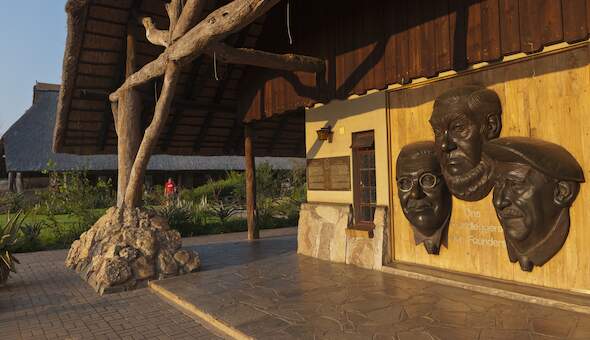
One of the most influential figures in the park’s history was James Stevenson-Hamilton, who was appointed as the first warden of the Sabi Game Reserve in 1902.
Known affectionately as “Skukuza”, a Shangaan nickname loosely translated as “the man who sweeps clean”, Stevenson-Hamilton dedicated much of his life to transforming the reserve into a properly protected conservation area.
At the time, conditions were extremely harsh. There were few roads, no tourist facilities and constant battles against poachers. Stevenson-Hamilton often travelled on horseback through lion territory and slept under the stars while patrolling the vast reserve.
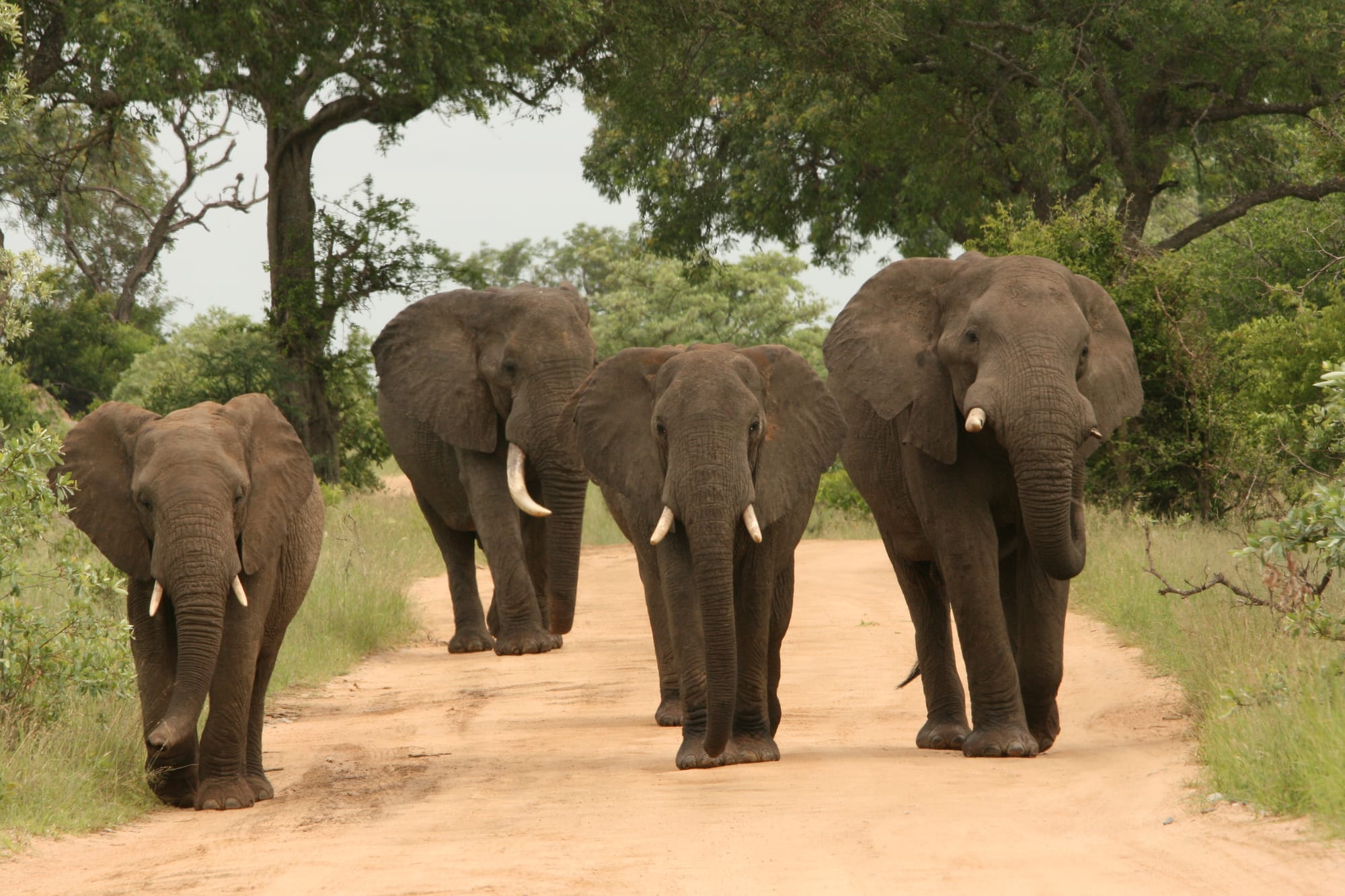
He strongly believed that wildlife conservation would one day become important not only for South Africa, but for the entire world. His vision proved remarkably accurate.
Under his leadership, wildlife populations slowly recovered and support for conservation began to grow. He also played a key role in convincing authorities that the reserve should become a national park accessible to every citizen.
His efforts eventually paid off when the National Parks Act was passed in 1926, officially creating the Kruger National Park.
Another legendary figure associated with the park’s early years was Harry Wolhuter, one of the reserve’s first game rangers.
Wolhuter became famous after surviving a terrifying lion attack near Pretoriuskop in 1903. According to park history, two lions attacked him while he was riding on horseback. One lion dragged him from his horse, but Wolhuter managed to stab the animal with a hunting knife and miraculously survived.
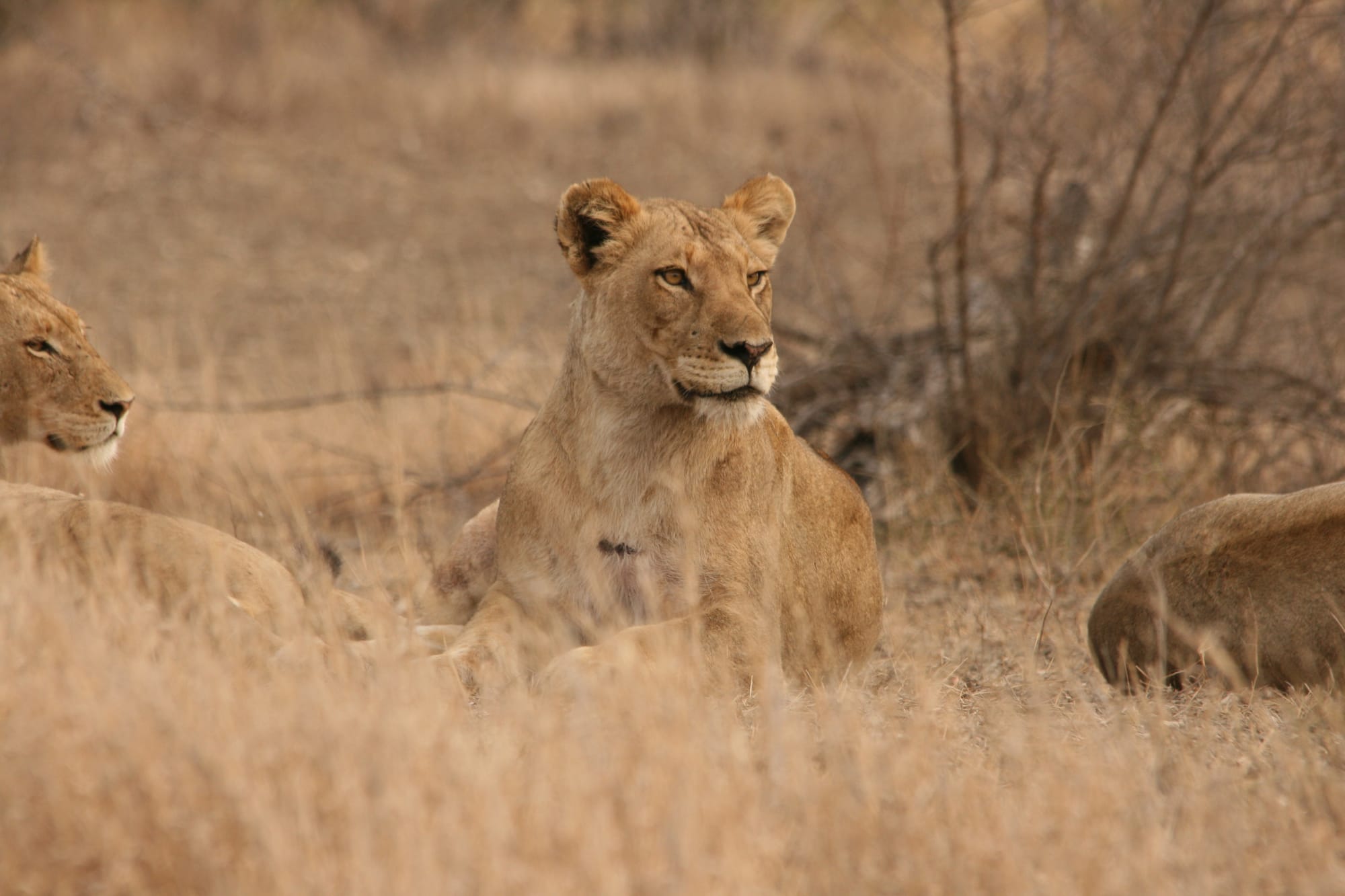
The knife he used during the attack later became one of the park’s most famous historical artefacts and remains part of Kruger folklore to this day. Stories such as these helped shape the adventurous and almost mythical reputation the park still holds today.
Over the decades, Kruger transformed dramatically. Gravel roads were developed into extensive tourism routes, many of them tarred today. Rest camps were established and infrastructure steadily improved.
By the mid-20th century, South Africans increasingly began viewing visits to the park as a family tradition. For Lowveld residents especially, Kruger became more than just a tourist destination, it became part of their identity.
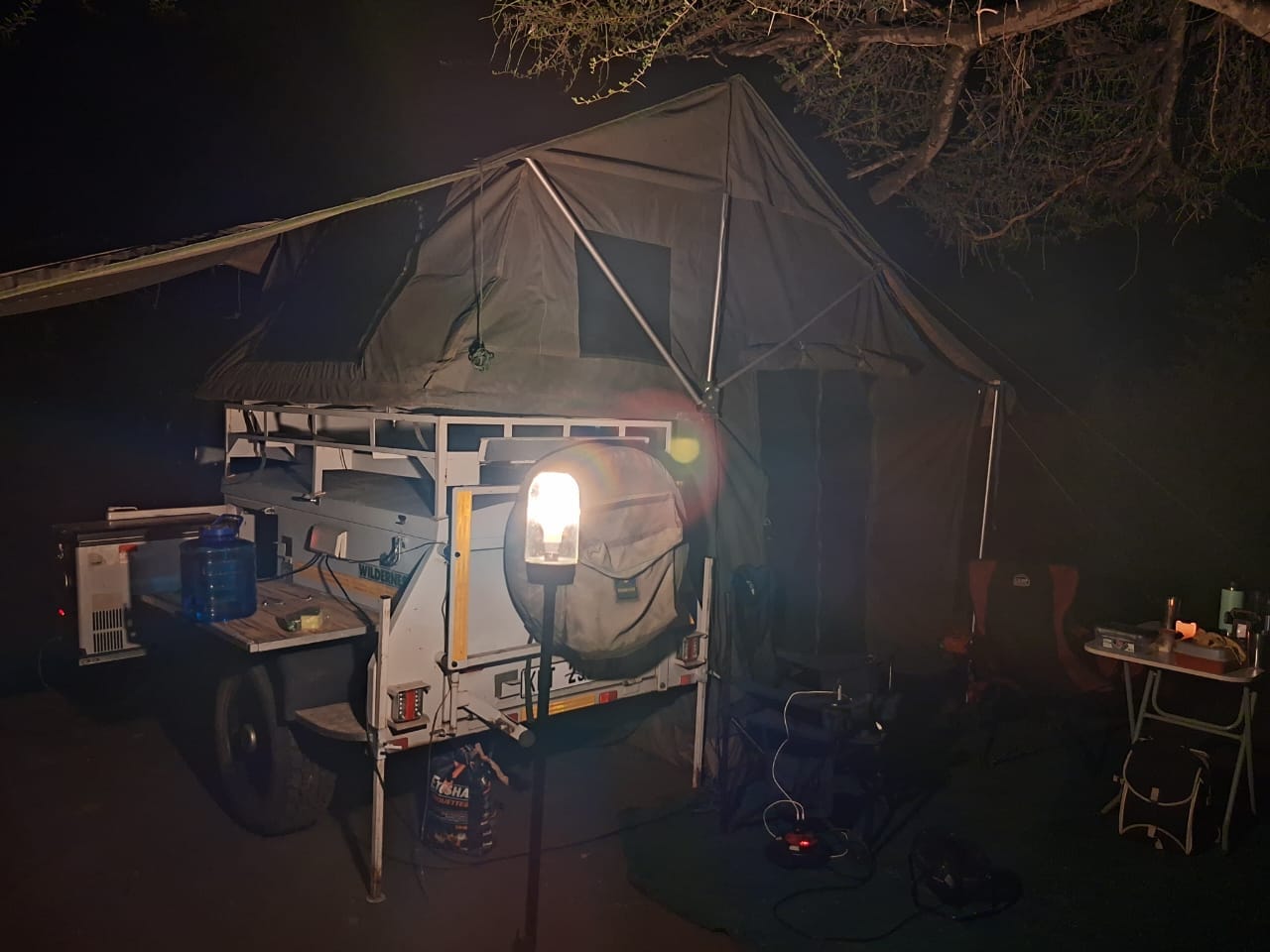
Generations of families remember camping trips at Satara, Skukuza, Lower Sabie and Pretoriuskop, early morning coffee beside the road while waiting for lions to appear, and the excitement of spotting elephants or leopards during school holidays.
Today, the park covers nearly two million hectares and is regarded as one of the greatest conservation success stories in the world. It forms part of the Greater Limpopo Transfrontier Conservation Area, linking protected regions across South Africa, Mozambique and Zimbabwe.
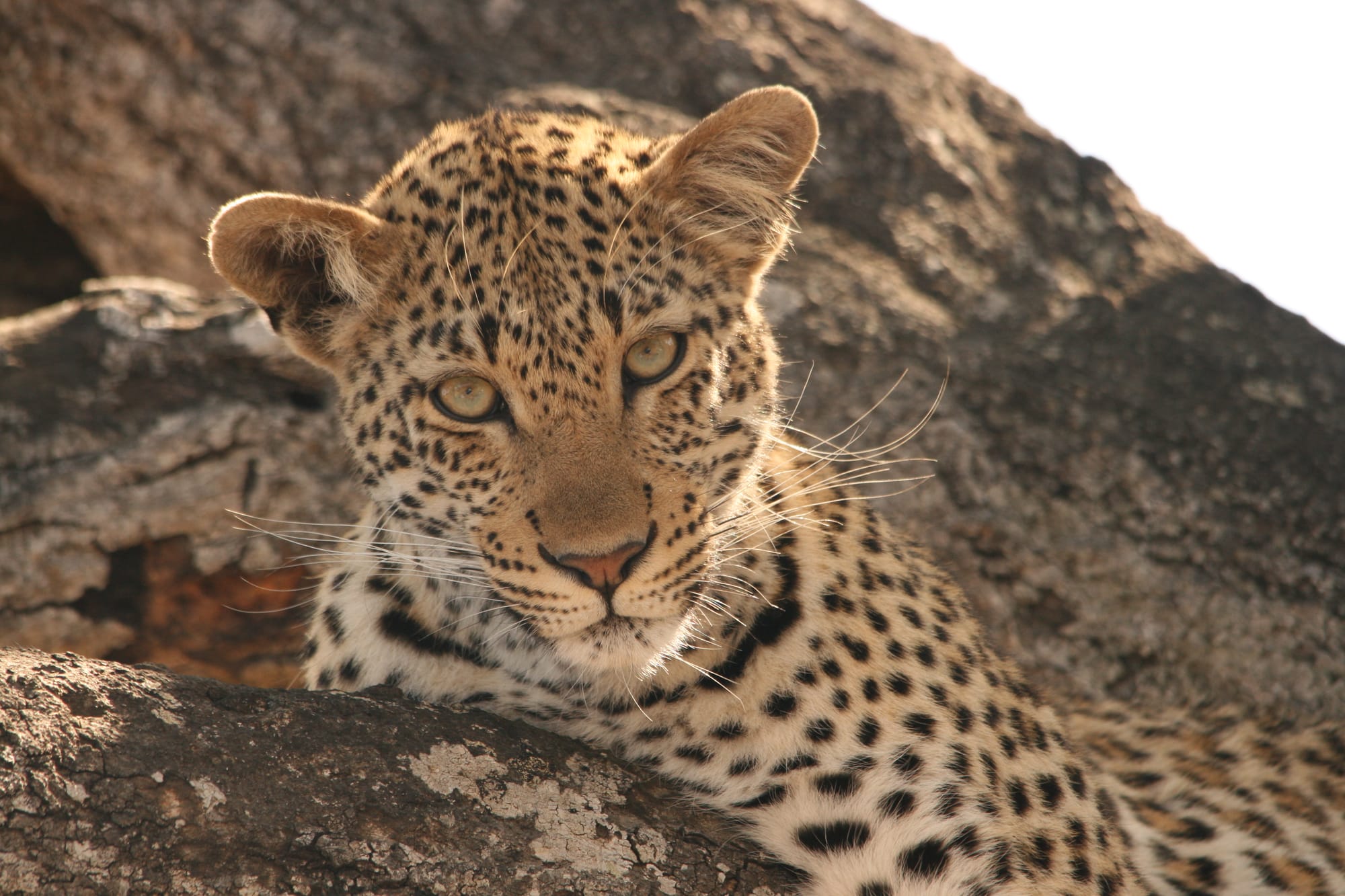
Visitors from Europe, America, Asia and beyond travel thousands of kilometres for the chance to experience the African bushveld and see the famous Big Five in their natural habitat.
For Barberton and the greater Lowveld community, Kruger remains uniquely special because of its accessibility. While international tourists may save for years to experience the park, many local residents can decide on a Friday afternoon to spend the weekend in the bush.
The proximity of the park has also had a significant impact on tourism and the regional economy over the years. Guesthouses, lodges, restaurants and tourism businesses throughout Mpumalanga benefit from the constant flow of visitors drawn to the area because of Kruger.
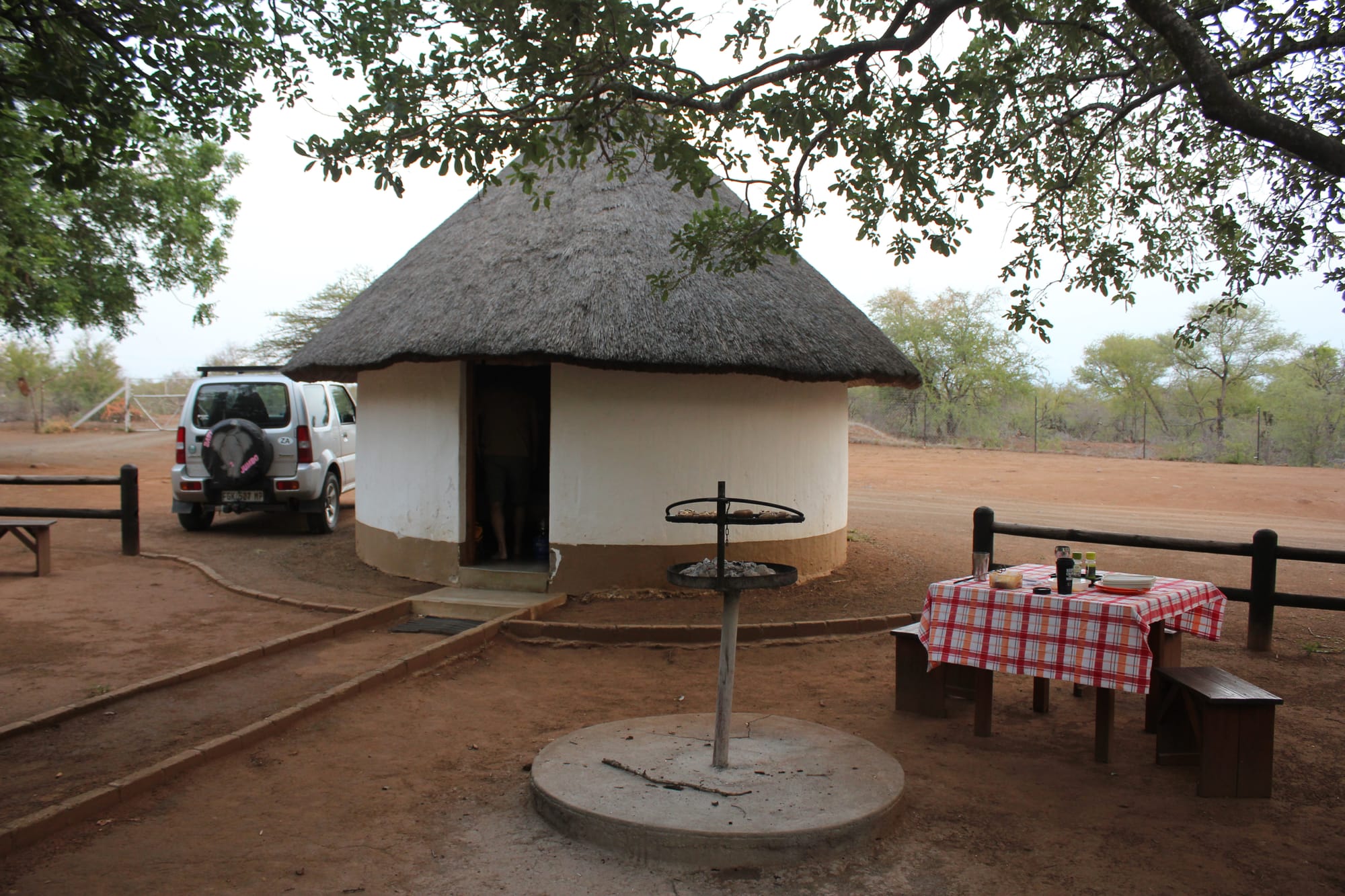
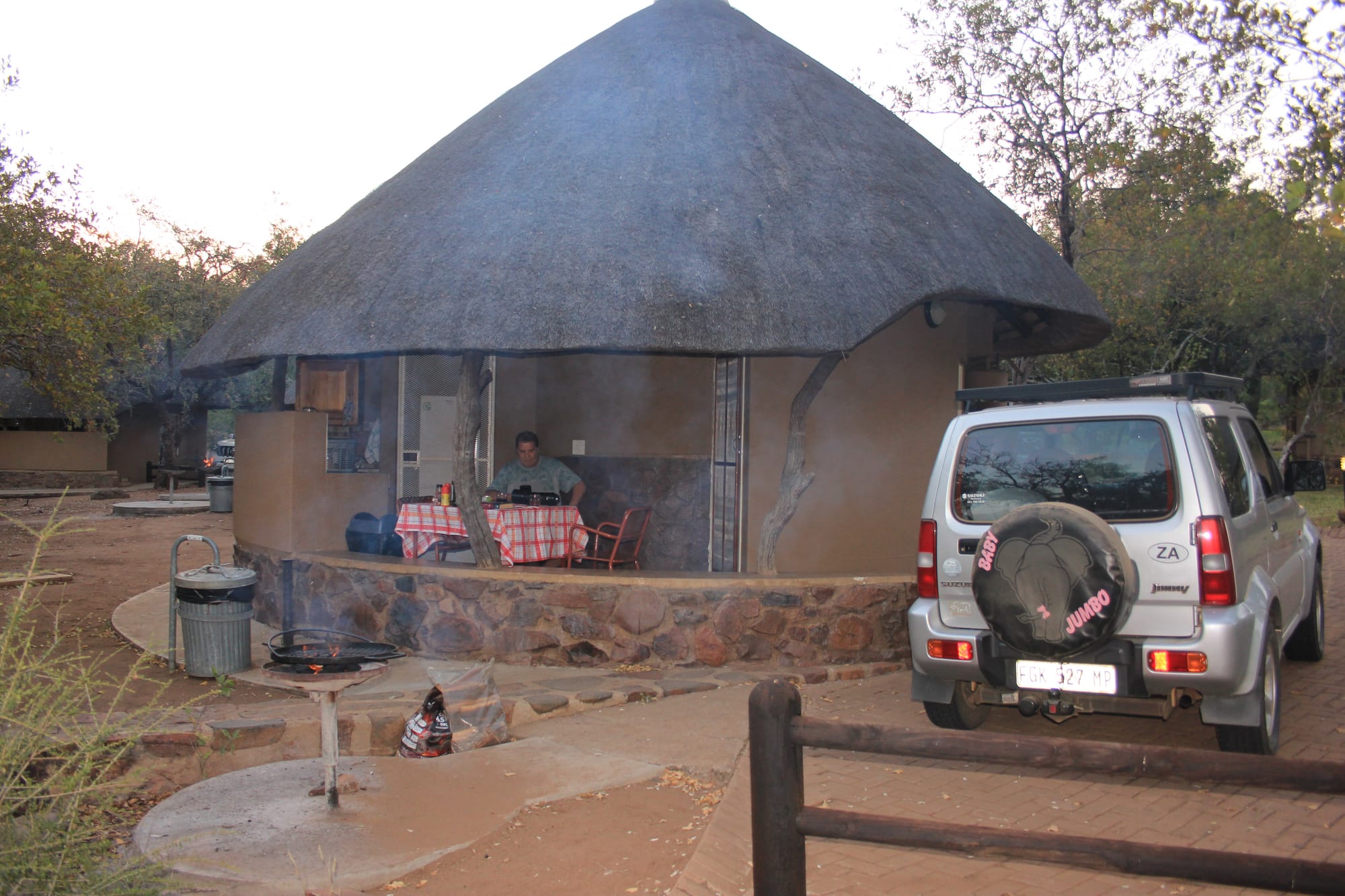
Beyond tourism, the park has also become an important symbol of conservation and environmental education. Millions of people have learned to appreciate wildlife, ecosystems and the importance of protecting natural heritage through visits to Kruger.
As the Kruger National Park marks its centenary, it stands not only as a conservation success story, but also as a reminder of how visionary individuals helped preserve a piece of Africa for future generations.
From the determination of Paul Kruger, to the dedication of Stevenson-Hamilton and the bravery of Harry Wolhuter, the park’s history is filled with remarkable people and unforgettable stories.
A hundred years later, the roar of lions still echoes across the Lowveld bushveld, elephants still gather at waterholes and visitors still line up at the gates before sunrise, eager to experience the magic that has captivated people for generations.
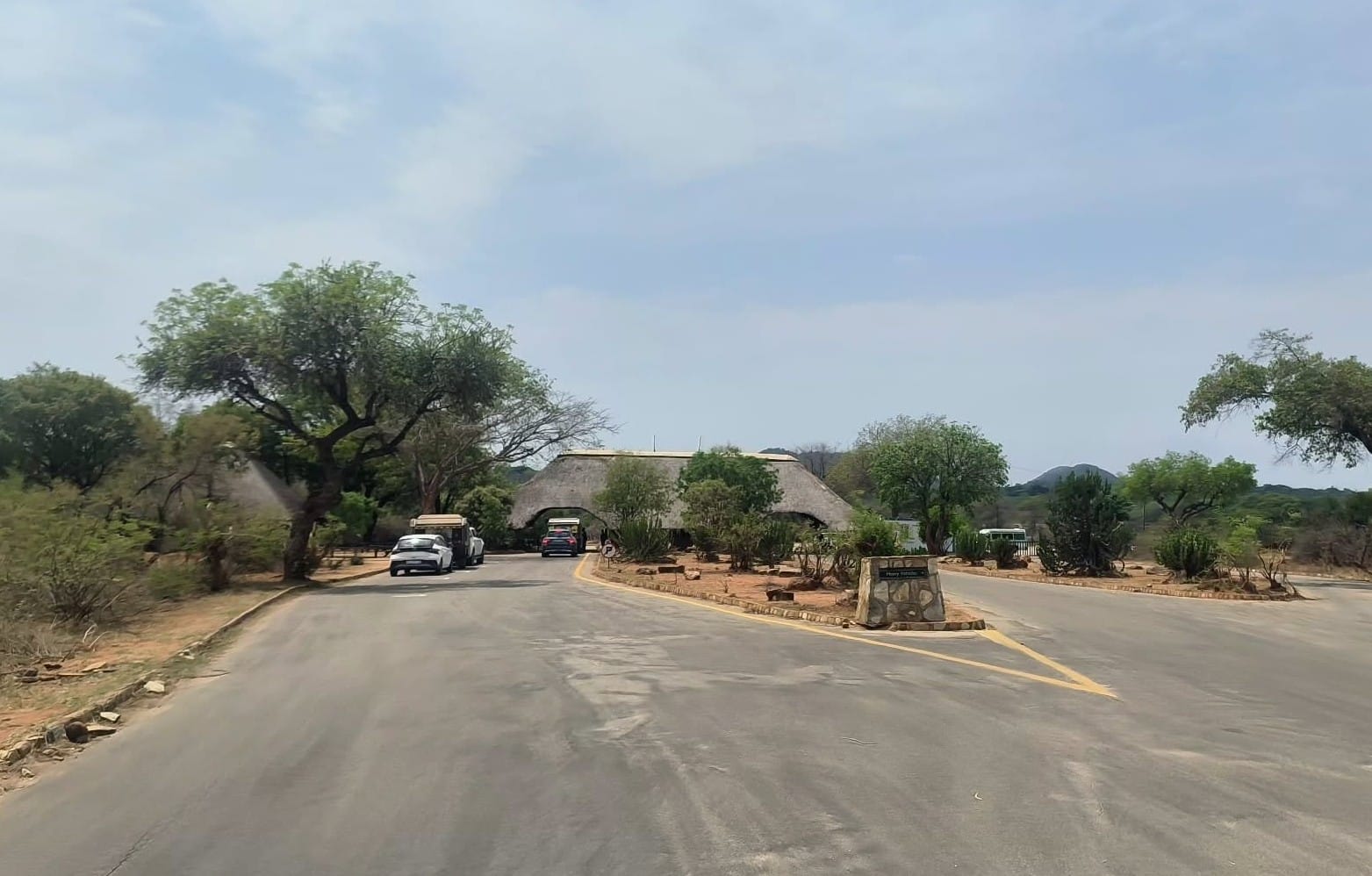
For Lowvelders especially, Kruger is more than a national park. It is part of home.


Comments ()