
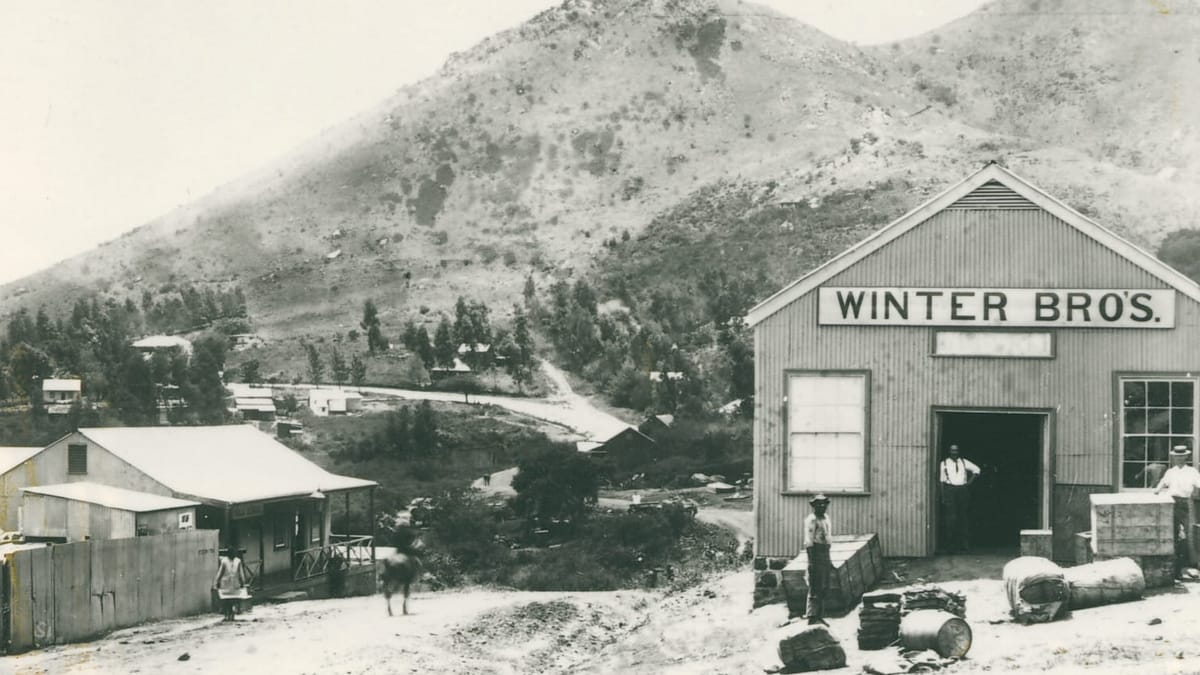
Gold was the dream that brought them to Barberton, but gold alone did not build the town. Behind every prospector was an entire army of people whose work kept the goldfields alive.


When we think about Barberton’s gold rush, the first people who usually come to mind are the prospectors. We picture men with picks, shovels and gold pans, scrambling through the mountains in search of the next great discovery. We remember the Barber brothers, Edwin Bray and the colourful fortune seekers who arrived in the De Kaap Valley during the 1880s, hoping to become rich.
Gold was the dream that brought them to Barberton, but gold alone did not build the town. Behind every prospector was an entire army of people whose work kept the goldfields alive. They brought in food and supplies, repaired wagons, shod horses and oxen, built businesses, prepared meals and carried news across a rapidly growing frontier.
Their names may not appear in the history books alongside those of the famous prospectors, but without them, the Barberton gold rush might have come to a grinding halt.
Long before the railway reached Barberton, everything had to be brought into the goldfields by road and the roads were not roads as we know them today. They were rough tracks winding through mountains, across rivers and over steep, dangerous terrain. Transport riders, their wagons and teams of oxen became the lifeline between the isolated goldfields and the outside world.
Flour, food, mining equipment, medicine, clothing, tools and other necessities all had to find their way into the rapidly growing settlements. Every wagon that reached Barberton carried something that someone needed. It is difficult to imagine the goldfields surviving without these transport riders. They were not simply moving goods from one place to another. They were keeping an entire frontier economy alive.
If a wagon wheel broke on a mountain road, there was no roadside assistance to call. If a horse lost a shoe, a piece of mining equipment snapped or a metal fitting needed replacing, somebody had to repair it. That somebody was often the blacksmith.
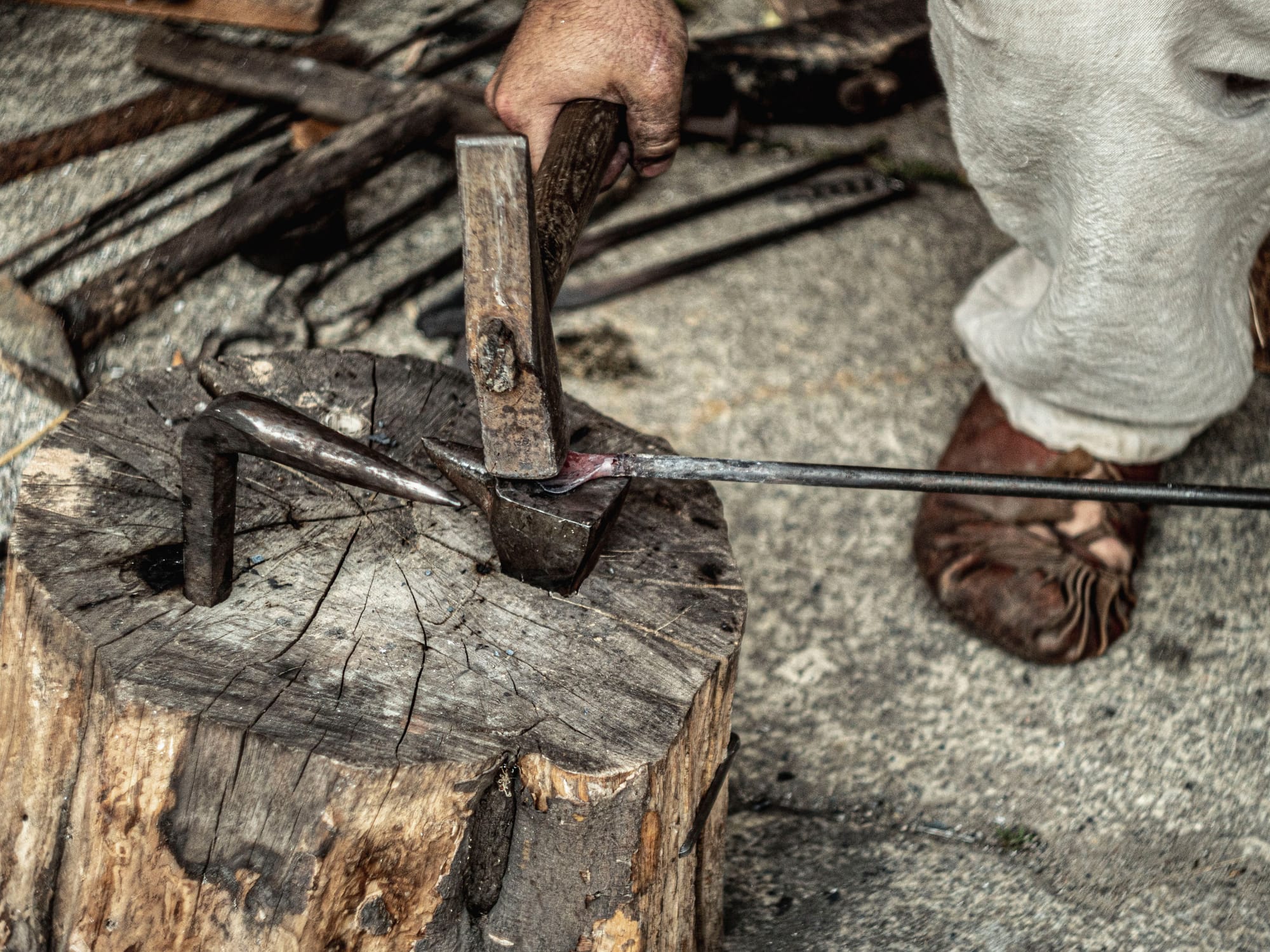
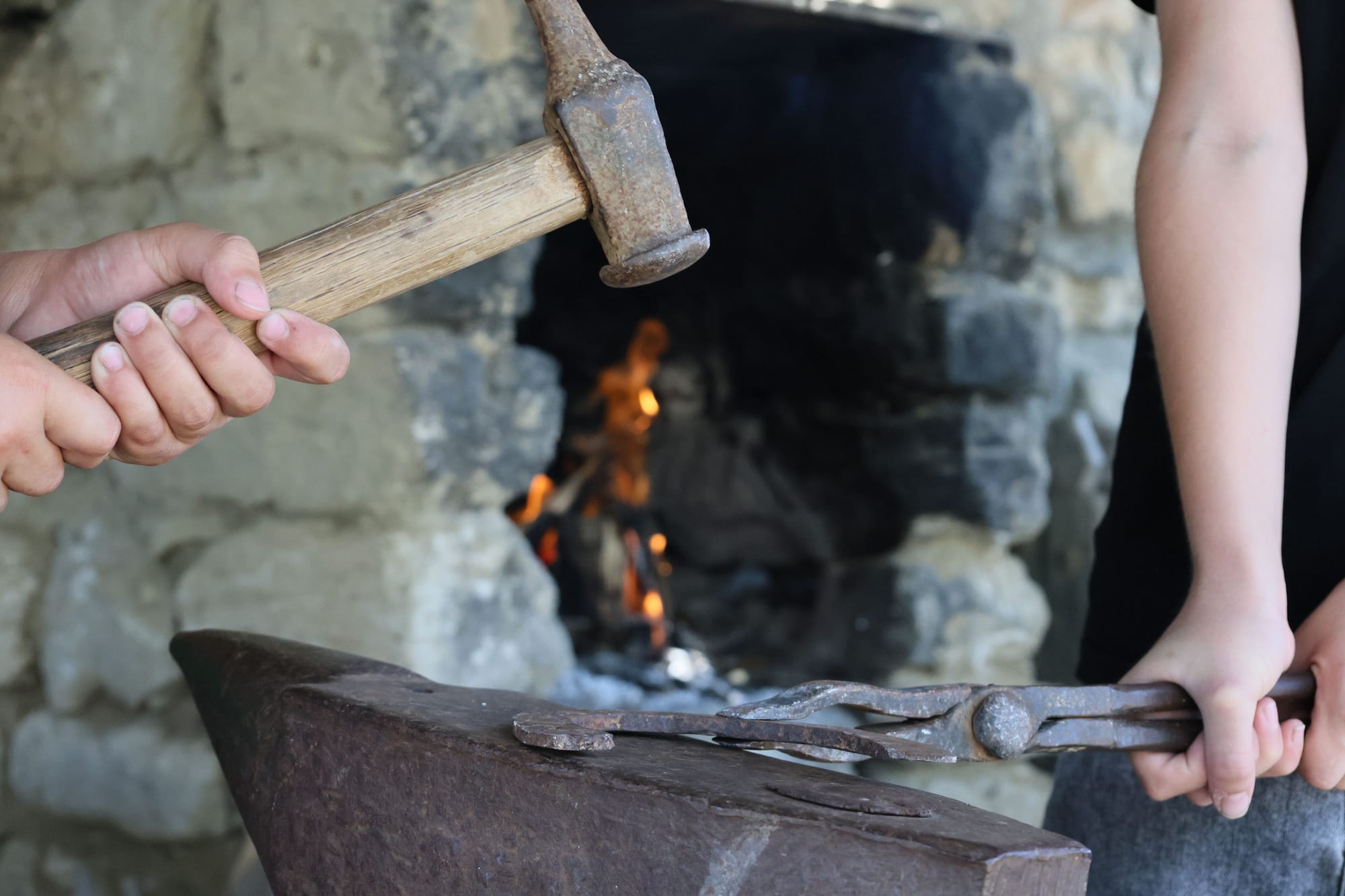
The blacksmith was one of the most important craftsmen in any growing frontier settlement. Wagons required iron fittings. Mining equipment needed repairing. Horses and other working animals needed attention. Tools wore out and metal parts broke. The steady ring of hammer against anvil would have been as much a part of daily life in the early goldfields as the sound of picks striking rock.
A blacksmith's work was skilled, physical and varied. He might spend one hour repairing a wagon and the next making or fixing tools needed by a prospector. Without skilled metalworkers, much of the machinery and equipment that made mining possible would simply have remained broken.
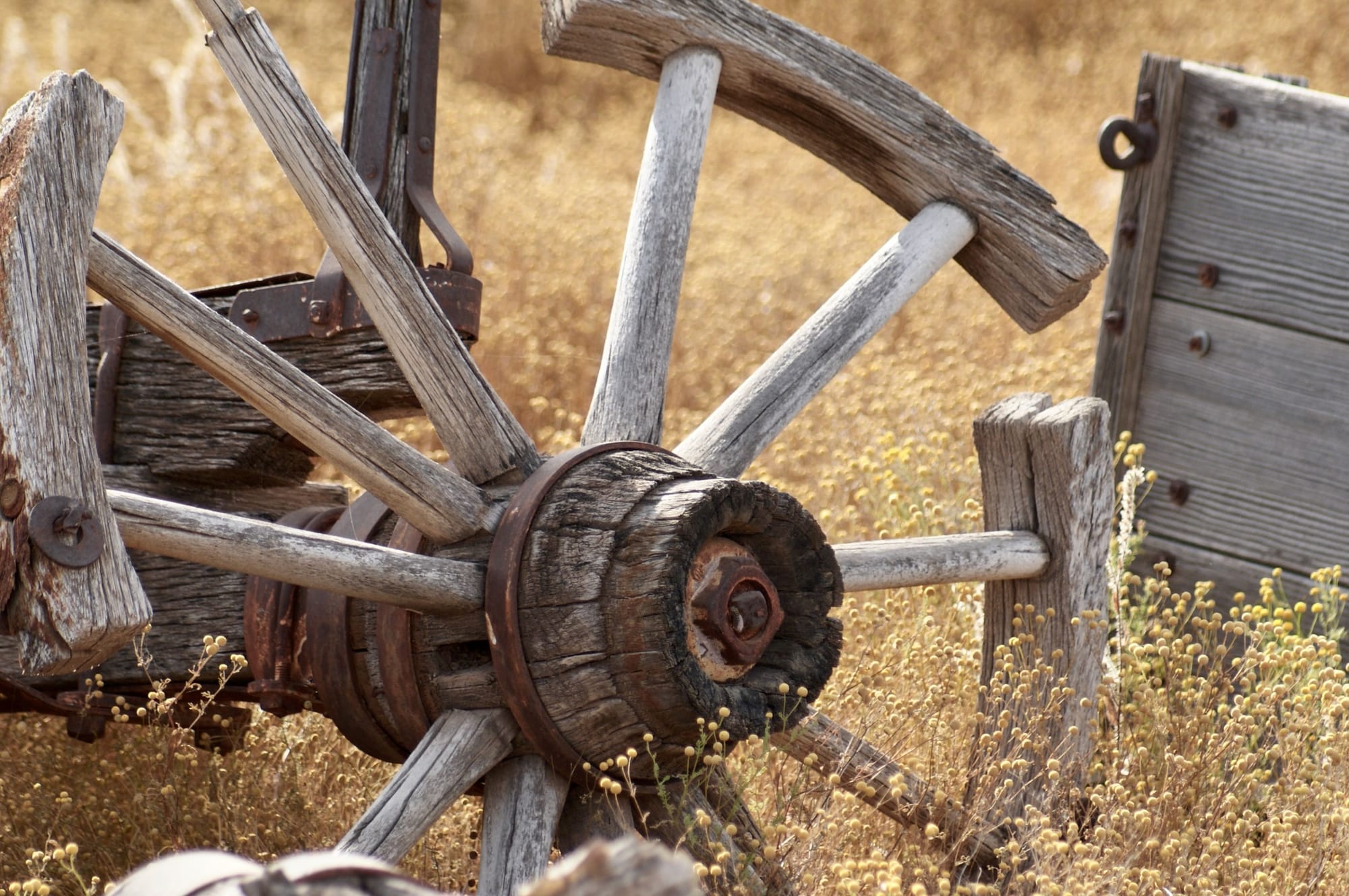
The roads into Barberton were hard on wagons. Deep mud, river crossings, steep mountain slopes and rocky tracks placed enormous strain on wooden wheels and wagon frames. A damaged wagon could delay a journey for days and leave valuable supplies stranded far from their destination.
This made wagon builders and wheelwrights essential. Their work demanded a combination of skill, strength and patience. Wagons were not simply bought, forgotten about and replaced every few years. They were vital working tools and had to be constantly maintained.
A wheelwright who could repair a damaged wheel may not have struck gold, but to a transport rider stranded with a broken wagon in the mountains, he was probably worth his weight in the precious metal.
Gold was important, but so were the animals that made the early transport system possible. Oxen pulled heavy wagons over long distances. Horses carried riders and messages. Mules were valued for their strength and endurance. All of them required care.
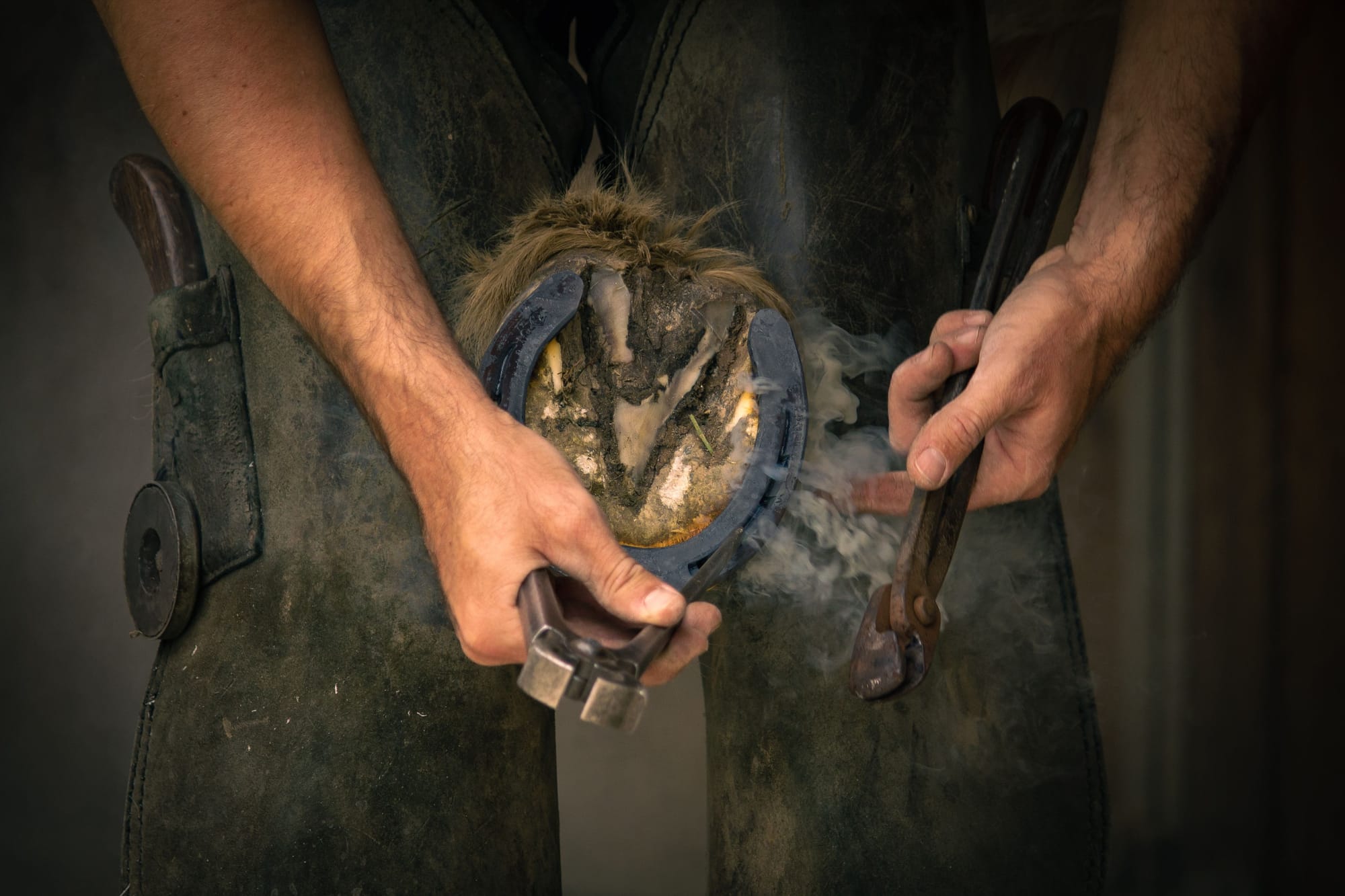
Farriers were responsible for the feet of working horses, trimming and shoeing them to help protect their hooves during long and difficult journeys. In a place where transport depended on animals, this was not a luxury. It was essential maintenance. Working with animals required knowledge, patience and an understanding of how to keep them healthy on long journeys. A tired or injured animal could delay an entire transport operation.
The history of the gold rush often focuses on the prospectors, but the animals were the real engines of transport. Behind every wagon was a team of oxen, and behind every team was someone responsible for keeping them moving.
It is difficult to imagine the excitement surrounding a gold rush without thinking about communication. News of a rich reef or a promising new claim could change lives. Investors wanted information. Traders needed to know what was happening. Families waited for news from men who had disappeared into the mountains.
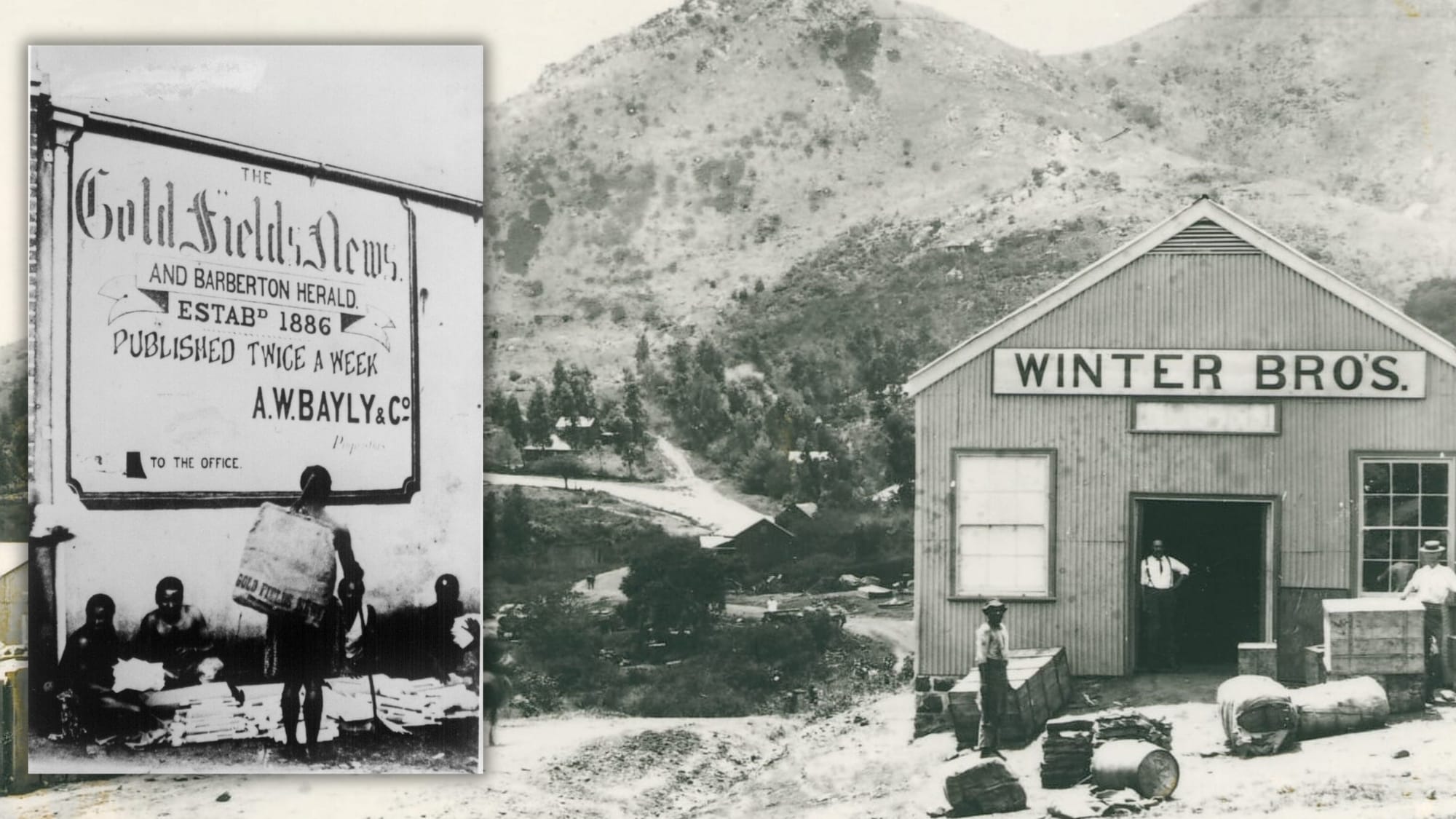
In 1886, Barberton's first newspaper, the Barberton Herald, was published, while the town's first post office opened later that same year. The world was becoming more connected, and communication was an increasingly important part of the rapidly growing gold town. Telegraph operators were the unseen link between distant places. Messages that would once have taken days or weeks to travel by rider could be transmitted far more quickly.
In the world of gold, speed mattered. A message about a discovery, a business deal or an investment could bring opportunity or disaster. The telegraph operator sitting at a desk tapping out messages may not have looked like a frontier hero, but the information passing through his hands could influence the fortunes of people far beyond Barberton.


Where miners gathered, businesses soon followed. Eureka City is a perfect example. At its height during the 1880s, the settlement had a population of roughly 650 to 700 people and included hotels, canteens, boarding houses, a bakery, shops and other businesses catering to the mining community. Someone had to bake the bread. Someone had to supply the meat. Someone had to run the hotel, wash the linen, serve the drinks and cook the meals.
There were traders who stocked their shelves with goods carried over difficult roads. There were butchers, cooks, bakers, hotelkeepers and laundry workers. There were labourers whose names were rarely recorded but whose work helped keep the mines and settlements functioning. The goldfields were not sustained by prospectors alone. They were sustained by an entire network of ordinary people doing extraordinary amounts of work.
Perhaps that is what makes these occupations so interesting. History tends to remember the spectacular moments. The discovery of gold. The famous nugget. The great fortune. The dramatic failure. It does not always remember the people behind the scenes who repaired the wagons, fixed the broken tools, or the driver who spent weeks guiding a team of oxen through mud, mountains and rivers. Or the woman who washed the clothes, cooked the meals and kept a boarding house running while hundreds of strangers passed through. Yet these people were as much a part of Barberton's history as the men who found the gold.
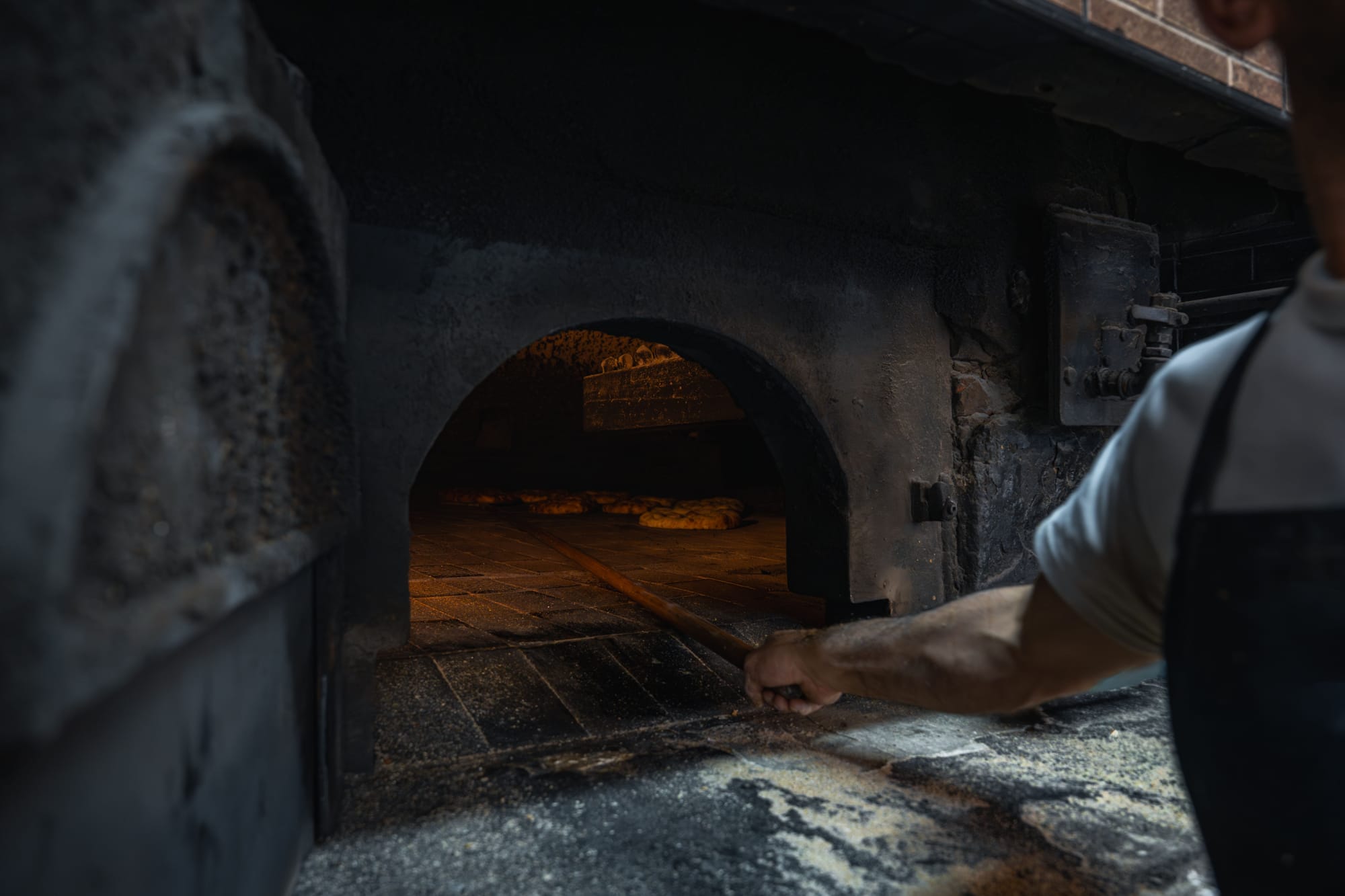
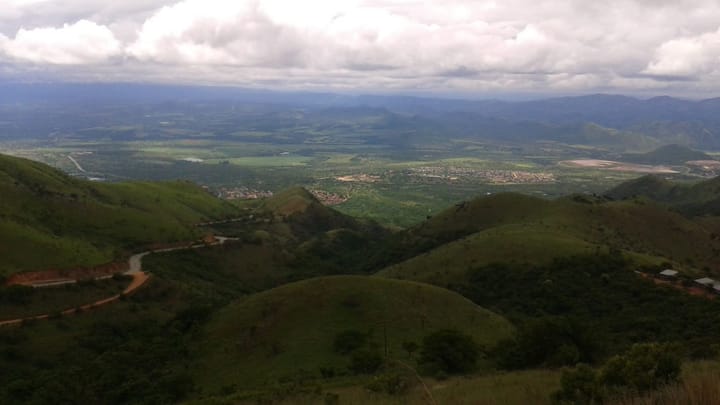
The De Kaap goldfields grew from a remote and rugged landscape into a bustling centre of activity almost overnight. Barberton's early years saw a newspaper, post office, Eureka City and the first Gold Exchange building in South Africa emerge as the rush transformed the valley. None of this happened in isolation. It depended on people.
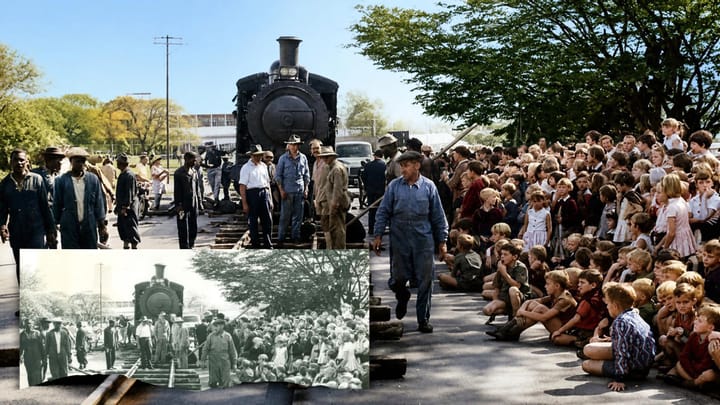
By the time the railway eventually connected Barberton with the wider world, much of the old system began to change. Goods and people could travel faster and the age of the transport rider gradually faded, but for a brief and extraordinary period, the goldfields depended on a remarkable cast of characters. They were the people behind the scenes.
The gold may have brought Barberton to life, but it was their work that kept it alive.
 Mariana Balt
 Liz Thorne
 Naomi Roebert
Comments ()