
Buy now, pay later: convenient or dangerous?
Online shoppers are offered the opportunity to buy now and pay later, while retailers tempt customers with monthly instalments and interest-free payment plans.
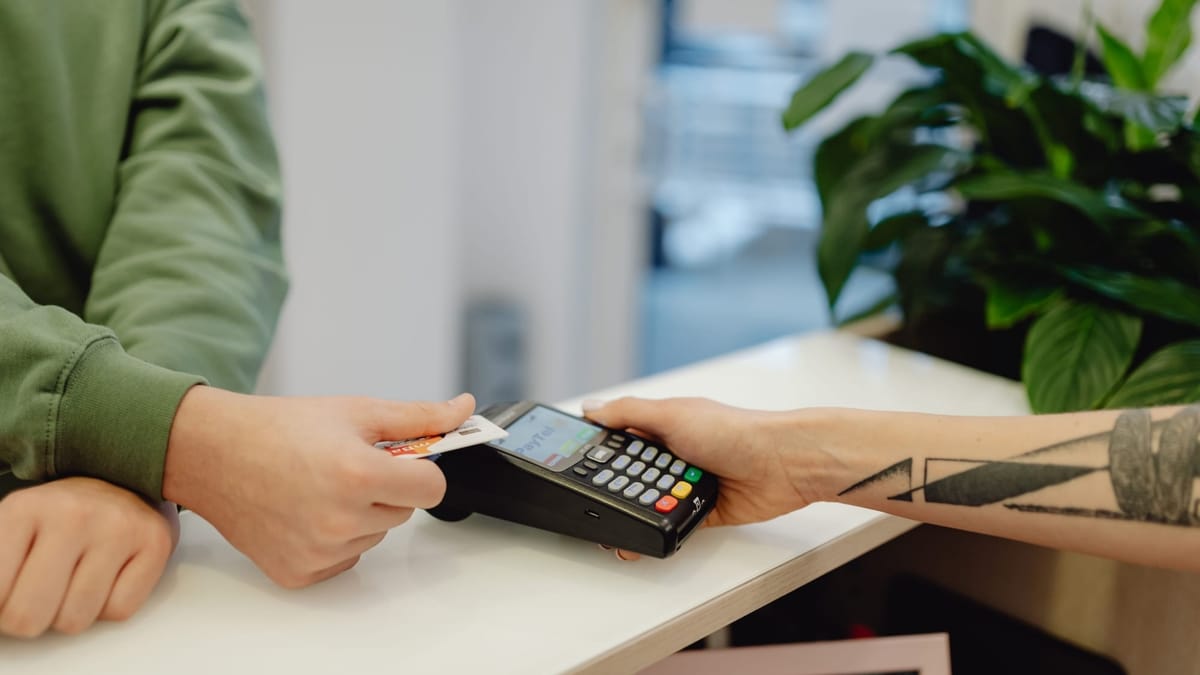



In today's world, buying something has never been easier. A credit card is tucked neatly into a wallet. A tap of a phone can pay for a purchase in seconds. Online shoppers are offered the opportunity to buy now and pay later, while retailers tempt customers with monthly instalments and interest-free payment plans.
The message is simple. You can have what you want now and worry about paying for it later. For many consumers, this has become a normal part of everyday life. A new television, furniture, clothing, appliances or even a holiday can be bought without having the full amount of money available at the time.
The question is whether this convenience is helping consumers manage their finances or quietly leading them into a debt trap. There is no denying that credit can be useful. Very few people can simply pay cash for an emergency repair, a vehicle or an essential household appliance. Credit can help families deal with unexpected expenses and may allow someone to buy something they genuinely need before they have saved enough money.
Responsible use of credit can also help people build a good credit record. The problem is that modern credit has made it dangerously easy to confuse being able to afford the monthly instalment with being able to afford the purchase. A R20 000 purchase can suddenly sound affordable when it is presented as R850 a month.
That may seem manageable until another R600 monthly payment is added, followed by R1 200 for something else and another small instalment that hardly seemed worth worrying about at the time. Individually, the payments may look harmless. Together, they can consume a large part of a monthly salary.
This is where “buy now, pay later” can become dangerous.
The focus is often placed on the amount that needs to be paid each month rather than on the total amount owed. The problem is that it may not be only be a small amount a month. There could also be a credit card payment, a store account, vehicle finance, a cellphone contract, personal loan and several other payment plans competing for the same monthly income. By the time all the other household expenses are paid, there may be very little left.
This is why people should always ask one important question before buying on credit. If I add this monthly payment to everything I already owe, can I still comfortably afford to pay it every month? One of the biggest dangers of credit cards is the illusion that available credit is available income. Every rand spent must eventually be paid back. Add to this that if the full balance is not settled according to the terms of the account, interest and other charges may be added.
Credit cards can be extremely useful when managed responsibly. Paying the full outstanding balance on time can make a credit card a convenient payment method. The trouble starts when people use their cards to cover everyday expenses because there is not enough money left at the end of the month.
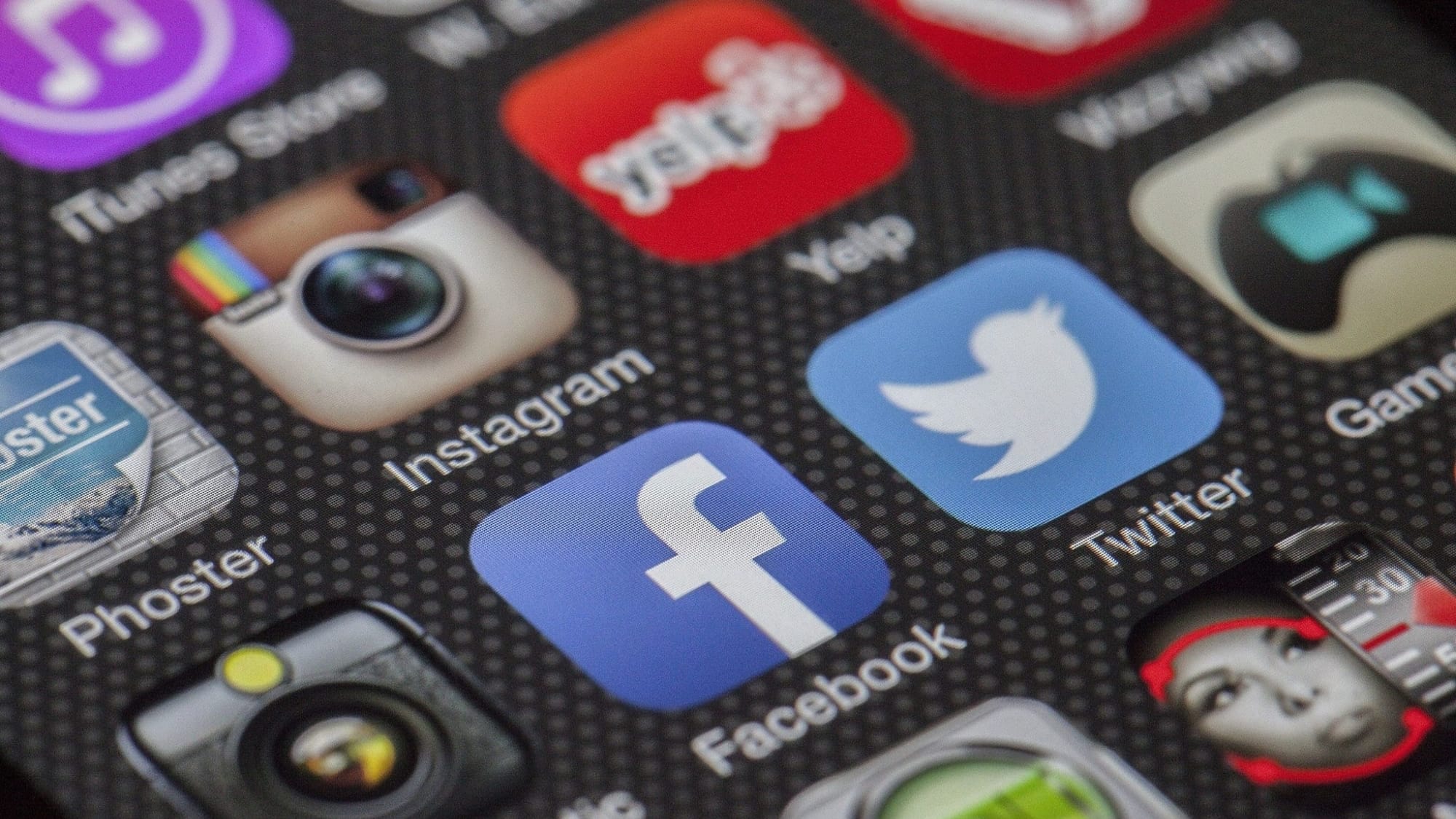
Another danger is the advertisements that appear on our phones. Social media influencers show off the latest products. Online retailers promise discounts for a limited time. Then comes the offer: Buy now. Pay later. There is nothing wrong with buying something that brings joy or makes life easier. The problem comes when shopping becomes a way to deal with boredom, stress or the pressure to keep up with everyone else. A moment of excitement can quickly become a monthly obligation. Before agreeing to any payment arrangement, it is important to understand exactly what the total cost will be and what happens if a payment is missed. Convenience should never replace understanding.
If a monthly payment only works because you are hoping for a bonus, overtime payment or some unexpected income, the purchase may not be affordable. An illness, job loss, unexpected repair or family emergency can quickly affect a carefully planned budget.
A cheaper monthly payment spread over a longer period may eventually cost far more than expected. It is easy to lose track of several smaller debts. Keeping a simple list of every monthly payment and the outstanding balance can provide a clearer picture of your actual financial situation.
In a world that encourages people to have everything immediately, waiting can be a powerful financial decision. Waiting for a sale or waiting until the current debt is paid off. Even better, waiting until enough money has been saved. Sometimes the best answer to a purchase is simply, not yet. Saving before buying may not provide the same instant satisfaction as walking out of a shop with something new, but it does provide something equally valuable: peace of mind.
Debt can be a useful financial tool when it is used responsibly and with a clear understanding of the commitment involved. The danger lies in forgetting that borrowing money does not make something cheaper or more affordable. It simply means the bill will arrive later.
In the current economic climate, where many households are already under financial pressure, consumers may need to be more careful than ever about confusing convenience with affordability.
Before tapping the card, signing the agreement or clicking the buy now button, perhaps it is worth asking one final question:
Am I buying something I can afford, or am I simply buying more time to pay for something I cannot? That answer could make all the difference.
 Mariana Balt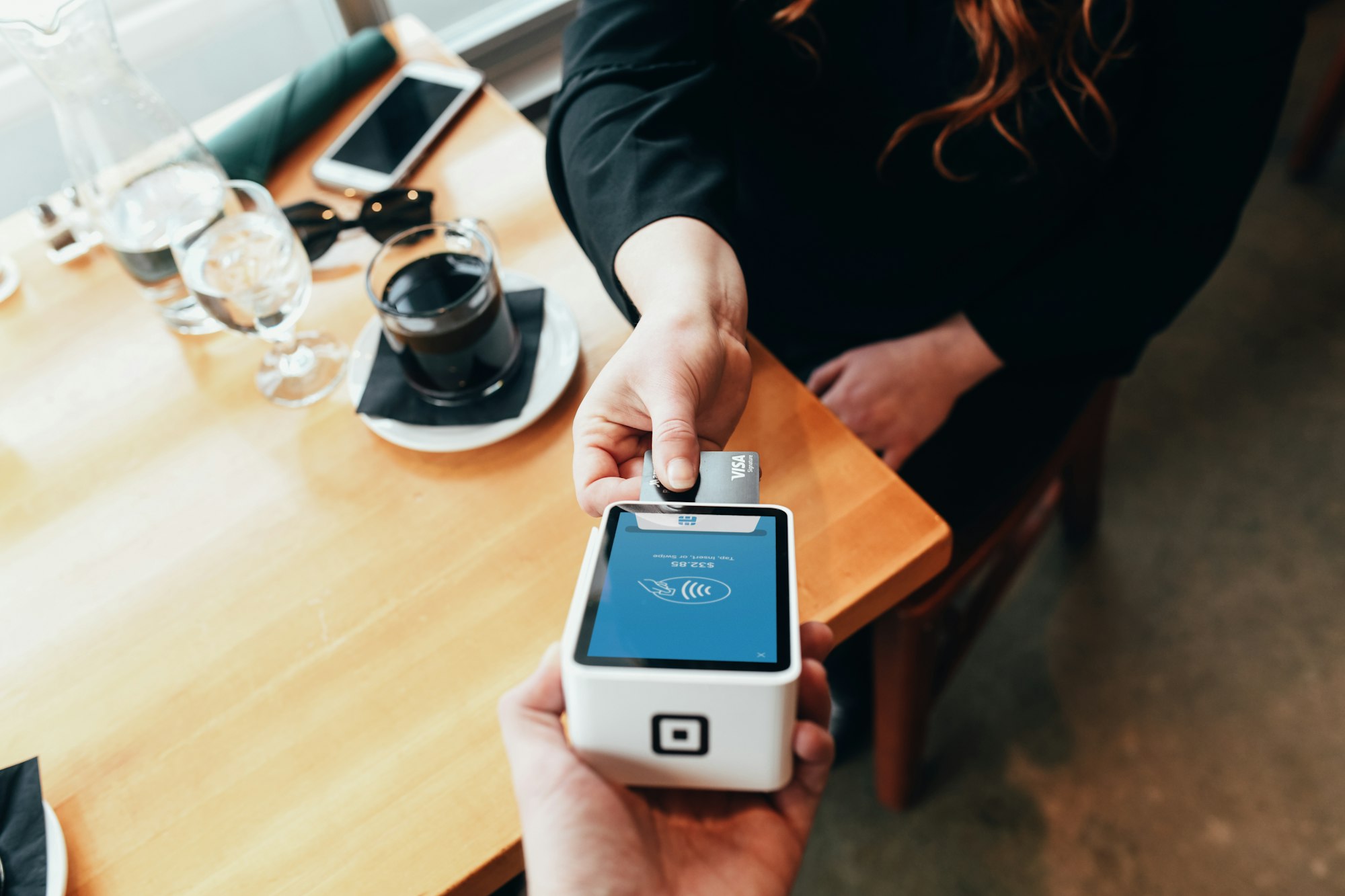
 Liz Thorne
 Naomi Roebert
 Anchen Coetzee



Comments ()