
Barberton’s flowering trees and the allergy factor
Barberton is almost always in bloom, as the late Dr Dirks so wisely observed. Perhaps the key lies in learning how to manage the pollen, while still appreciating the beauty that surrounds us.
🔴 Have you read these articles yet?
 Naomi Roebert
 Naomi Roebert
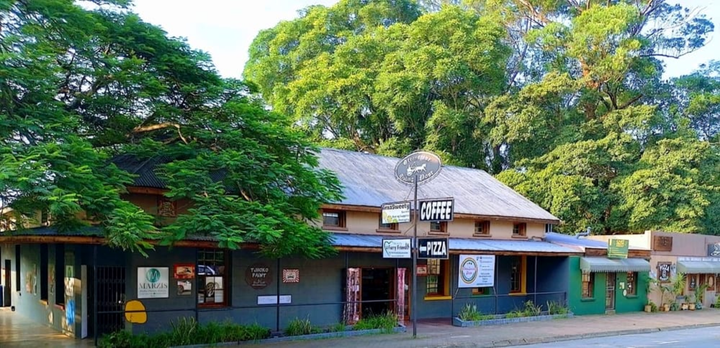
Barberton is known for its mountains, rivers and rich biodiversity, but it is also known, perhaps less officially, as a town that is almost always in bloom.
Late local GP Dr Justus Dirks once remarked that Barberton was probably one of the most challenging towns to live in for people suffering from allergies or asthma, because there is always a tree flowering somewhere in the valley. While residents may fondly remember his words with a smile, many allergy sufferers will quietly agree.
Throughout the year, a succession of indigenous and ornamental trees transform our streets and gardens into displays of colour. Yet alongside their beauty comes pollen, the invisible trigger that can make life uncomfortable for sensitive individuals.
Spring: September to November
Spring in Barberton begins with indigenous pioneers such as the wild pear (Dombeya rotundifolia), often one of the first trees to signal the change of season with clusters of soft white blossoms. Coral trees (Erythrina lysistemon) follow with their striking red flowers, attracting birds and bees alike.
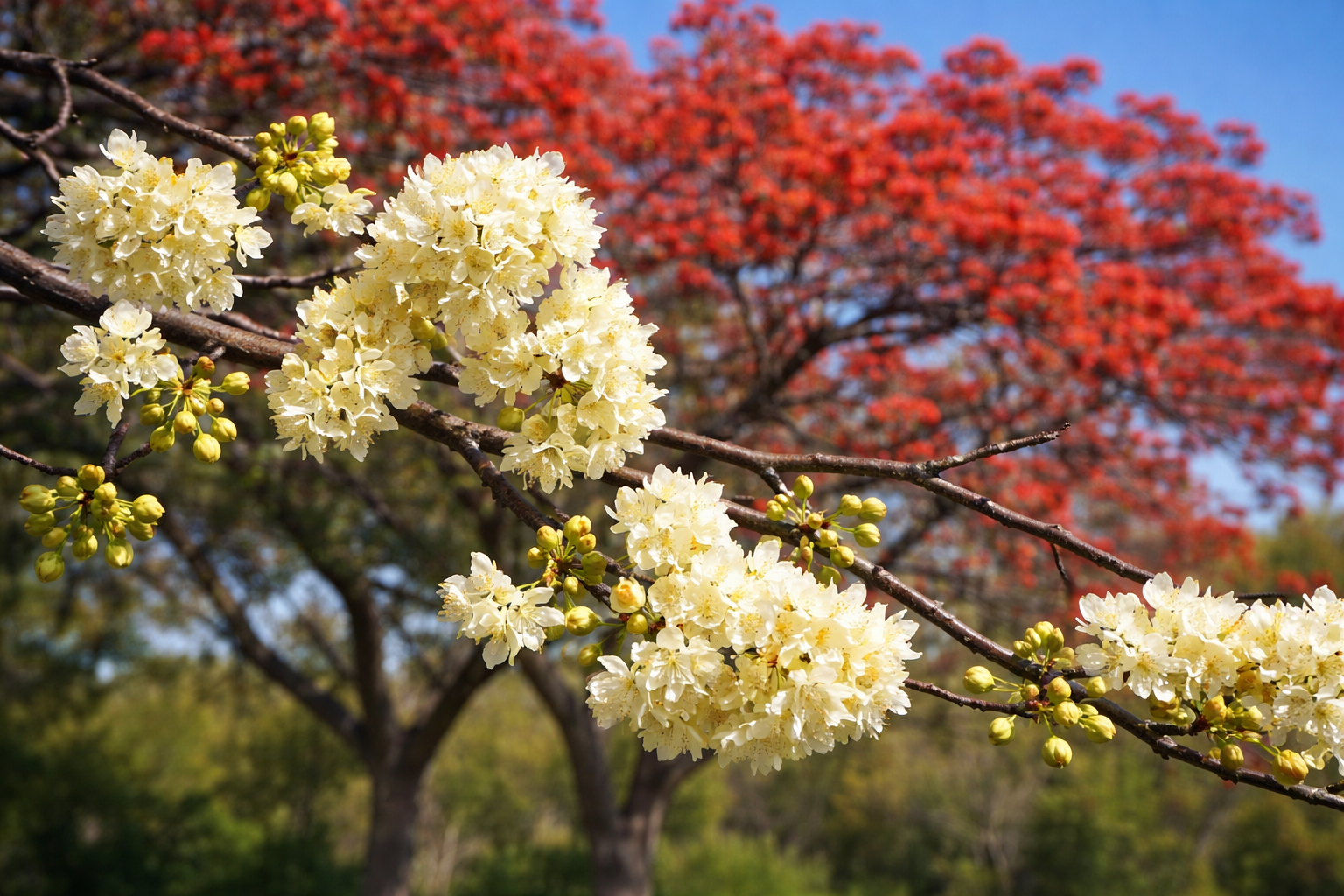
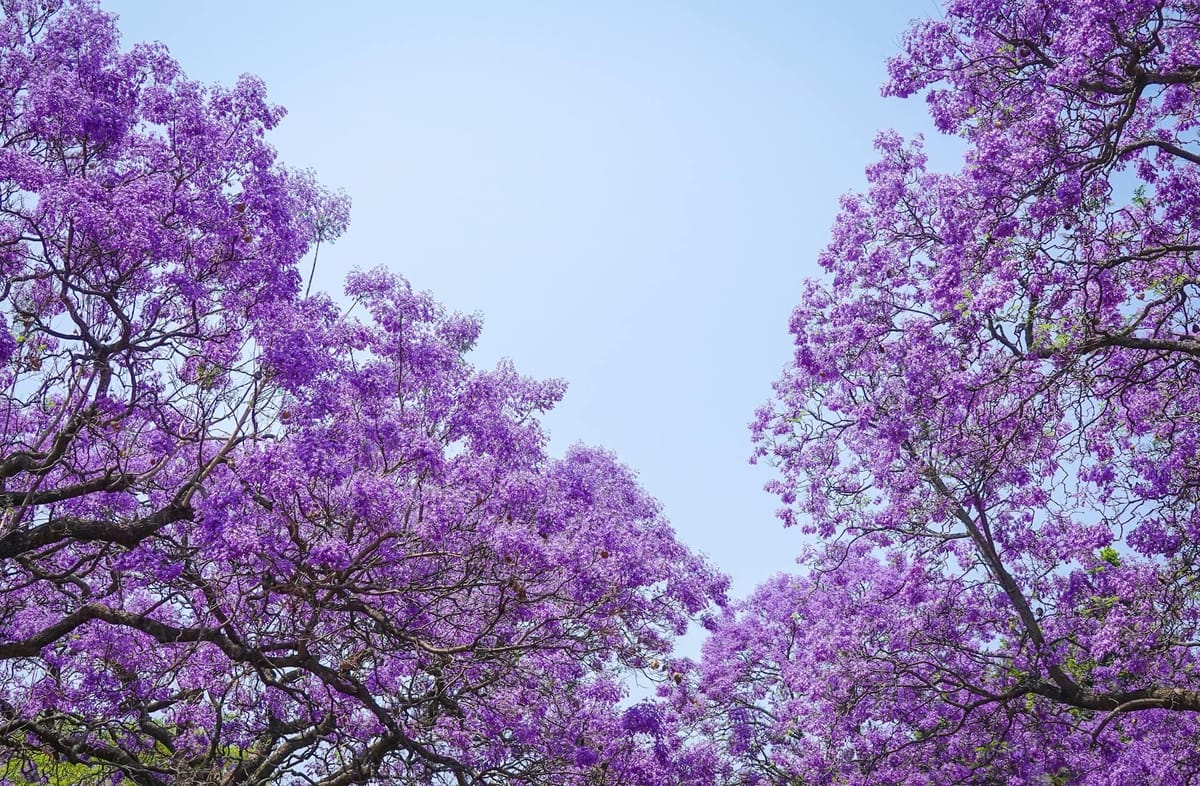
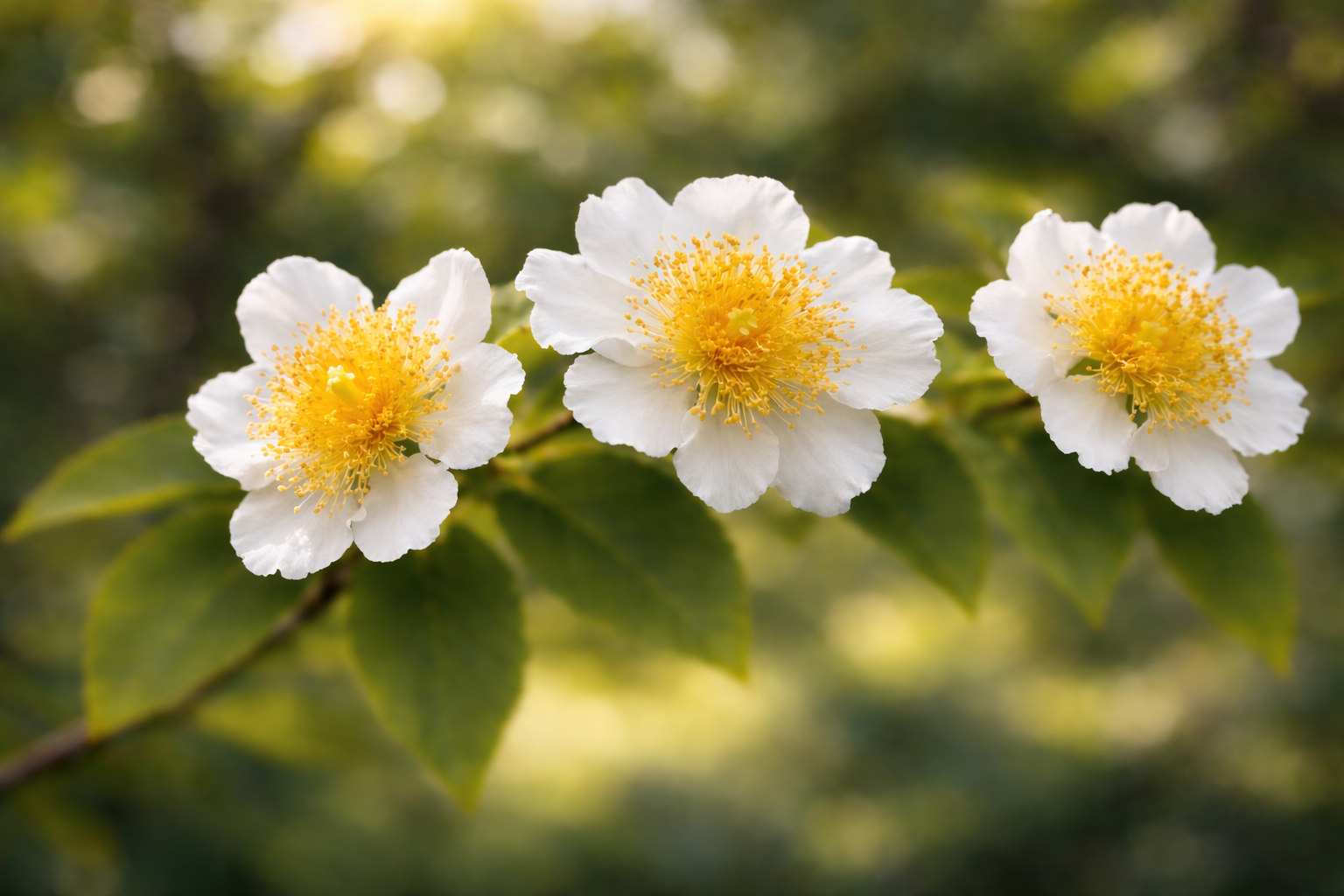
The fried egg tree (Oncoba spinosa) produces large creamy blooms, while ornamental jacarandas, although not indigenous, paint parts of town purple in late spring. Many of these species release pollen into warming spring air, making this a peak allergy season for many residents.
Summer: December to February
Summer brings lush growth and continued flowering. Protea species in surrounding mountainous areas show off their dramatic blooms, while knob thorn trees brighten the bushveld with golden-yellow flowers. Garden favourites such as syringas and various flowering ornamentals also contribute to pollen levels. Warm temperatures and occasional wind can carry pollen across neighbourhoods, prolonging discomfort for those who are sensitive.
Autumn: March to May
Although autumn feels like a quieter season, several trees continue to flower or release late pollen. Certain proteas extend their blooming period into early autumn, while deciduous trees shed leaves and release residual pollen. The change in temperature and dry air can aggravate respiratory conditions even if visible flowering appears reduced.
Winter: June to August
Winter in the Lowveld is milder than many parts of the country, and flowering does not disappear completely. Trees such as the impala lily (Adenium multiflorum) can surprise residents with striking winter blooms. While pollen levels may generally be lower during colder months, dry winter air, dust and veld conditions can still trigger asthma symptoms.
Not all flowering trees cause allergic reactions. In fact, brightly coloured flowers often rely on insects and birds for pollination rather than wind, meaning their pollen is heavier and less likely to travel through the air. However, wind-pollinated species release fine, lightweight pollen that easily becomes airborne and inhaled.
Allergic reactions occur when the immune system overreacts to pollen particles. Symptoms may include sneezing, itchy or watery eyes, nasal congestion, coughing, and in asthma sufferers, wheezing or shortness of breath.

For residents who struggle with seasonal allergies or asthma, complete avoidance is nearly impossible. However, there are practical steps that can help:
• Monitor daily pollen forecasts where available.
• Keep windows closed on high-pollen or windy days.
• Shower and change clothes after spending extended time outdoors.
• Use indoor air purifiers if possible.
• Regularly clean air-conditioning filters.
• Consult a healthcare professional about appropriate antihistamines or asthma management plans.
It is also advisable for asthma sufferers to ensure that their inhalers are always up to date and readily available.
Barberton’s flowering trees form part of the town’s charm and identity. They support birds, insects and biodiversity, and they bring colour to our streets throughout the year. While those who suffer from allergies may experience the downside of constant blooming, awareness and preparation can help minimise discomfort.
As Dr Dirks so wisely observed, living in Barberton means accepting that something will always be in flower. Perhaps the key lies in learning how to manage the pollen, while still appreciating the beauty that surrounds us.
🔴 You might also like to read:
 Lynette Spencer
 Lynette Spencer
Comments ()