
Across continents and decades, Rienie reaches the milestone of 105
With a life story spanning wartime Europe and ocean voyages, Barberton resident Rienie still lives in the Andrews Street home she and her late husband, Henk, built nearly 30 years ago.
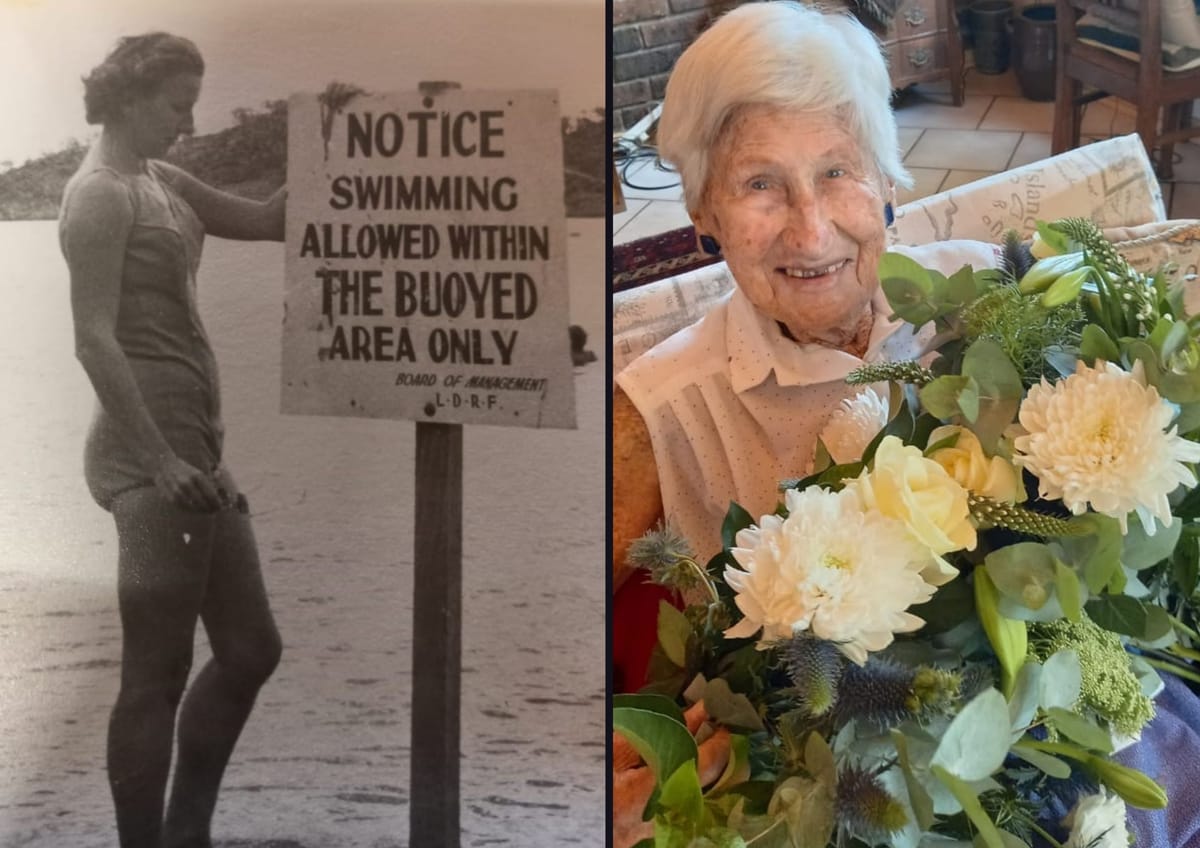
At 105 years old, Rienie van Dongen remains a quiet but remarkable presence in the Barberton community, a woman whose life story stretches across continents, wars, oceans and generations.
Rienie still lives in the home on Andrews Street that she and her late husband, Henk, built when they relocated to Barberton from Pretoria nearly 30 years ago. The move brought them closer to their daughter Marlies Liebenberg and her husband Johann, and Barberton soon became home.
🔴 You might also like:
 Lynette Spencer
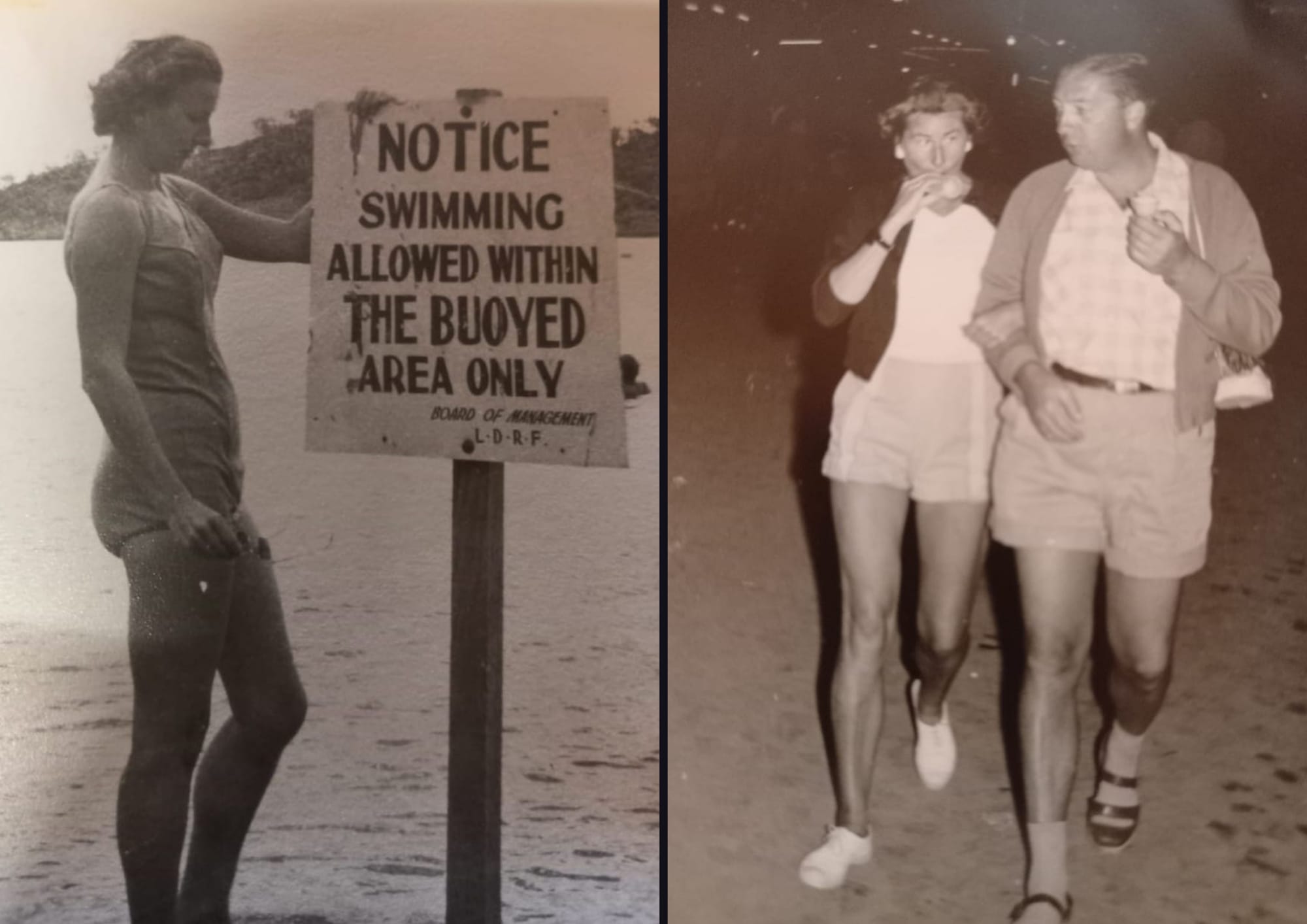
True to her lifelong love of swimming, Rienie had one firm condition before agreeing to relocate: a swimming pool had to be built and filled first. It is a pastime she enjoyed for many years and one that reflects a life spent embracing physical activity.
Today she is cared for by two professional carers, a mother-and-daughter team from Hazyview who each spend two weeks at a time with her. Although Rienie does not take medication, she does experience short-term memory loss. Over the past three years, Sindy and Nontobheko have become part of the family, even trying their hand at speaking Dutch with her.
“Oma, bril op!” they sometimes remind her - “Grandma, glasses on!”
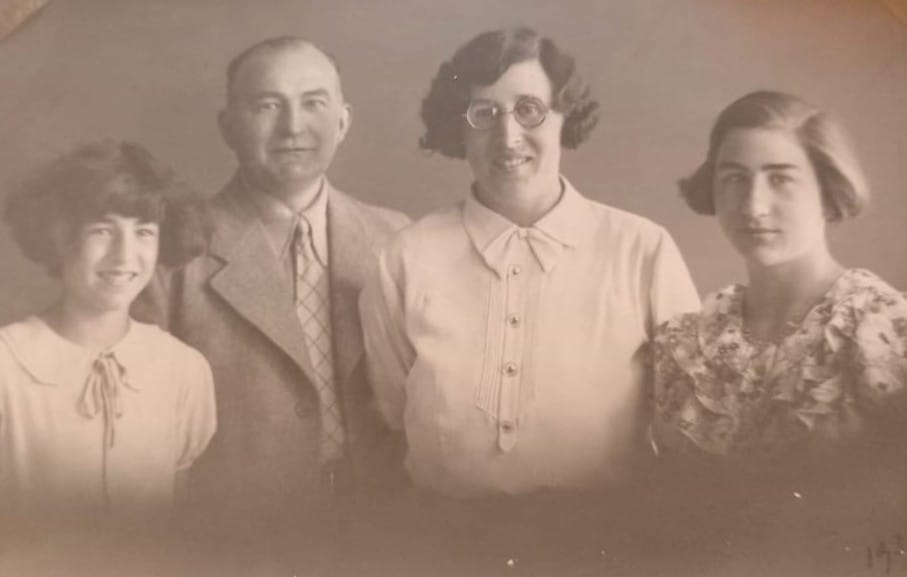
Rienie was born on March 11, 1921 in Ginneken, a suburb of the historic town of Breda in the province of North Brabant in the Netherlands. Her parents, Marie and Jacob Bood, later had a second daughter, Annie. The sisters grew up surrounded by loving grandparents and the magnificent forests of Mastbos and Liesbos, where they spent much of their childhood exploring nature.
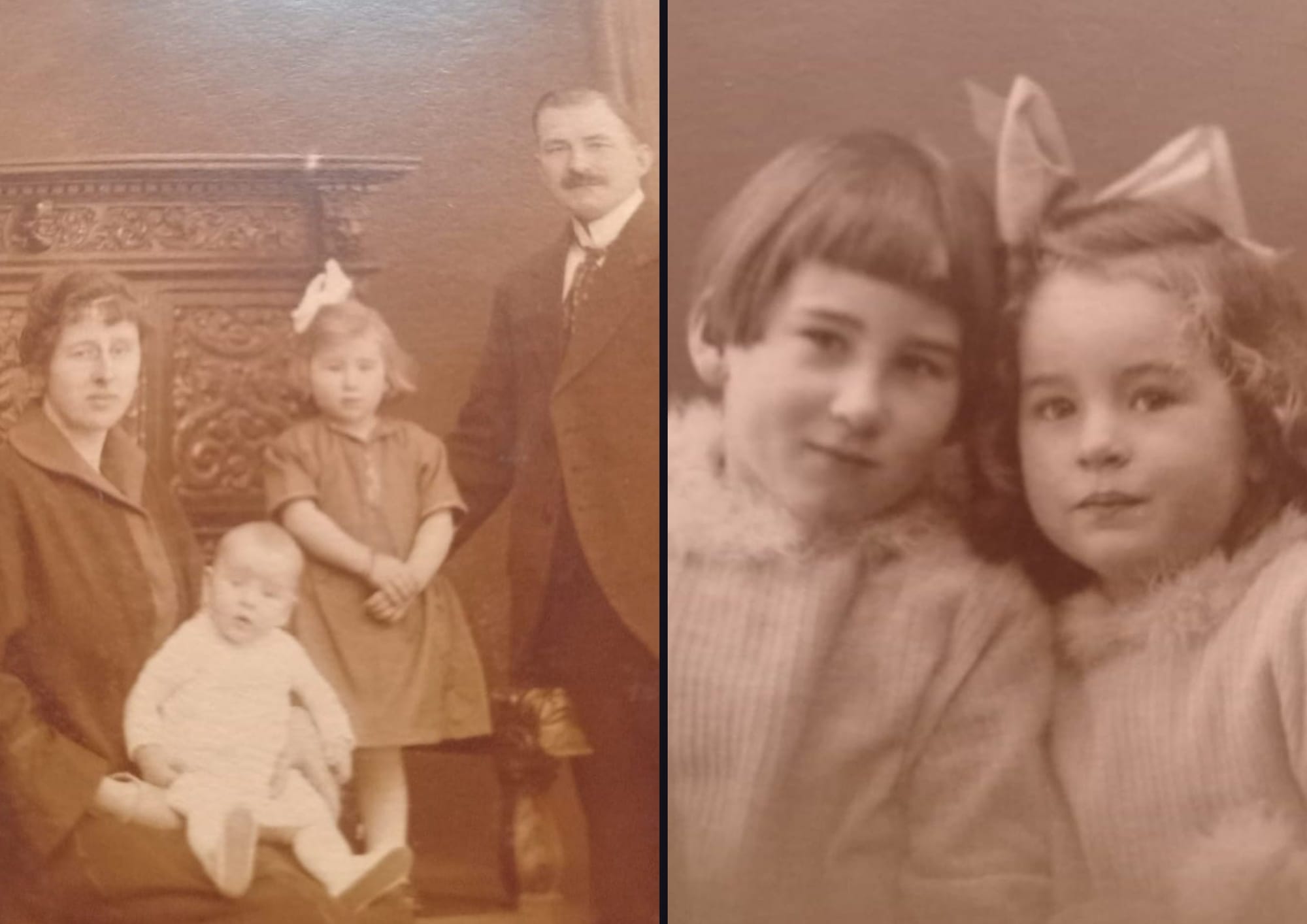
As the Netherlands had not been directly involved in the devastation of the First World War, their early years were relatively peaceful. After school, young women were often expected to train as nurses or secretaries. Rienie therefore took courses in typing on the old Remington machines and learned shorthand.
Languages formed an important part of her schooling, English, French and German were compulsory, and her strong command of German soon led to employment with a company that had trade links with Germany.
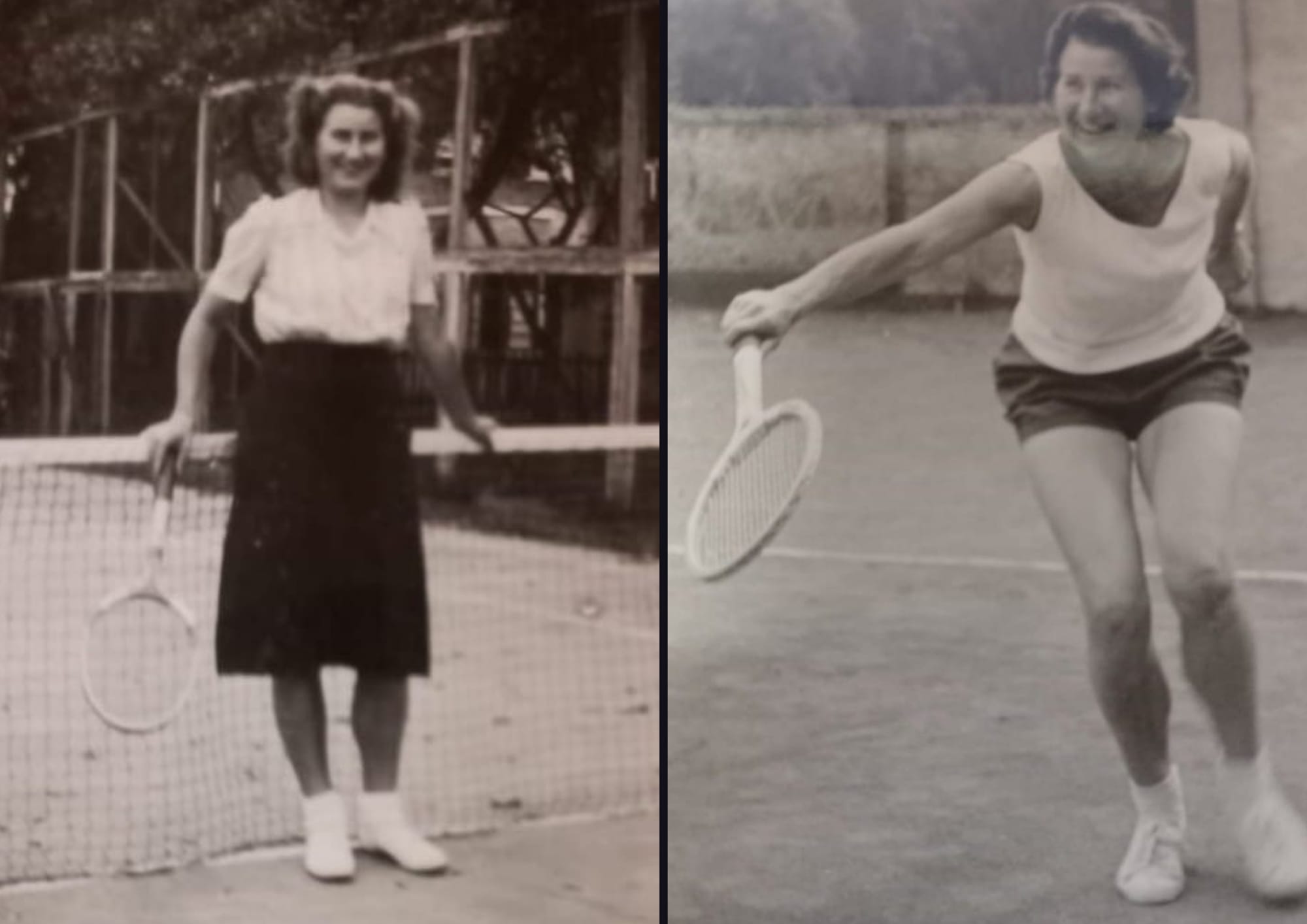
From an early age, sport played a central role in Rienie’s life. She played tennis for decades, continuing well into her later years in Barberton until her doctor advised her in her early nineties that a fall on the court could easily result in a broken hip. Undeterred, she simply replaced tennis with long walks, starting a walking group in Barberton and soon outpaced many of the younger members.
Cycling, swimming and ice skating were also part of her active lifestyle, and even later in life while living in Pretoria she continued with gymnastics.
In 1939 Rienie became engaged to a young man named Ad, but history intervened. In May 1940 Nazi Germany launched a Blitzkrieg invasion of the Netherlands. The country surrendered on May 15, beginning five years of occupation. Ad was captured and sent to a labour camp in Germany, from which he never returned.
Breda was considered a strategic transport hub by the German forces and German officers were soon billeted in private homes across the town. When authorities discovered that Rienie spoke fluent German, they ordered her to work for them. Instead, she disappeared to a small farming community called Stampersgat, where she lived quietly under the protection of local residents.
During the later years of the war, another young person seeking refuge in Stampersgat was a newly qualified civil engineer named Henk van Dongen. Henk and his colleagues were involved in destroying bridges ahead of the retreating German army and constructing pontoon bridges for the American and Canadian forces advancing to liberate the Netherlands.
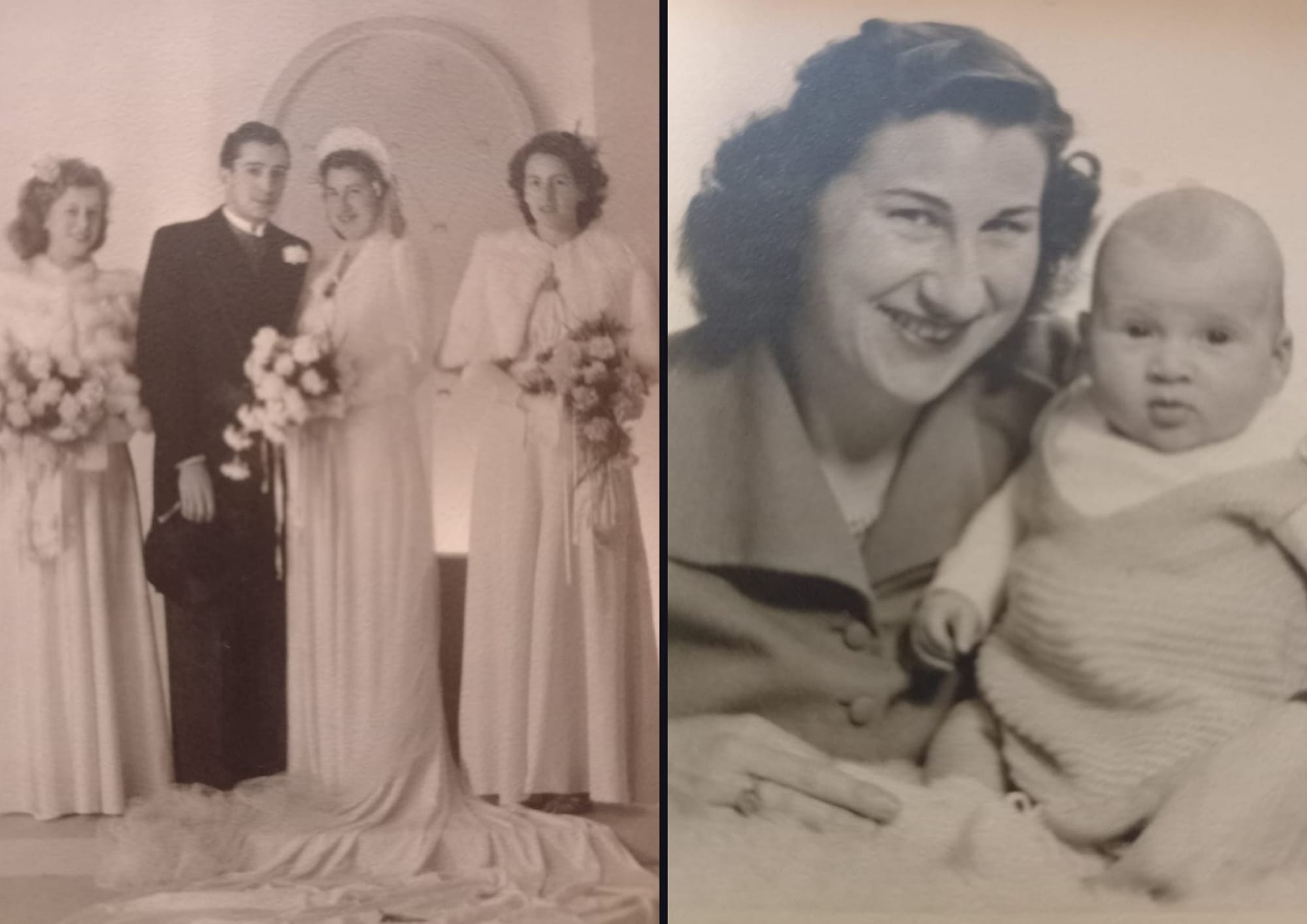
One day when their bus broke down, Rienie decided to walk the rest of the way. Henk offered to accompany her. He would eventually walk her down the aisle on November 8, 1947 and remained by her side until his passing in Barberton at the age of 96.
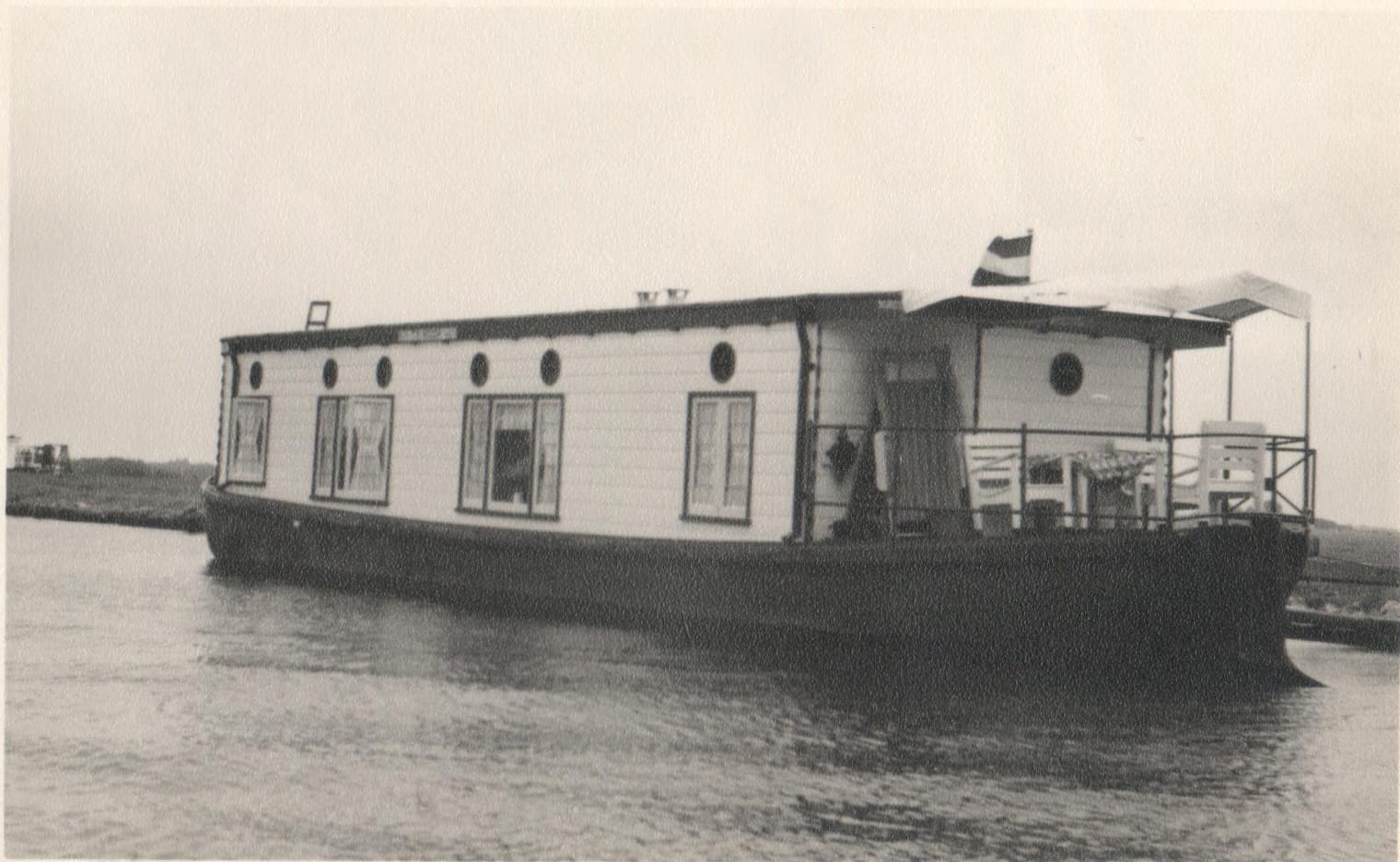
After the war the couple initially lived with Henk’s parents in a large five-storey house in Dordrecht dating back to the late 1700s. Due to the destruction caused by the war, housing was scarce and they soon moved onto a houseboat named Joan which was relocated from harbour to harbour as Henk worked on clearing war debris and restoring waterways.
Their travels took them to Vlissingen, Hoek van Holland and Nijmegen. During this time two daughters were born, Marlies, in December 1949, and Linda, in April 1953.
Life on the houseboat produced its own adventures. On one occasion little Linda slipped from a gangplank into the harbour after a shopping trip with her mother. Rienie jumped in after her and both were pulled from the water by labourers who witnessed the incident. The little girls were promptly taught to swim by lowering them with a rope around their waist into the harbour from a window of the houseboat.
In 1956 Henk accepted a position with a Dutch company working in Brazzaville in the Congo. Due to unrest linked to the independence struggle from Belgium, Rienie remained in Holland with the children. A year later Henk was transferred via Northern Rhodesia (Zambia) to South Africa. Rienie packed their belongings, boarded the SS Bloemfontein with her daughters and sailed to Cape Town.
From there they travelled by train to Pretoria where the family was reunited. Work took them to several towns including Ermelo, Highveld/Taaibos power station, Sasolburg and Klerksdorp.
In 1960 Henk’s company expanded operations to Australia. The family spent time in Brisbane and Caloundra before moving to the remote mining town of Mount Isa in north-west Queensland.
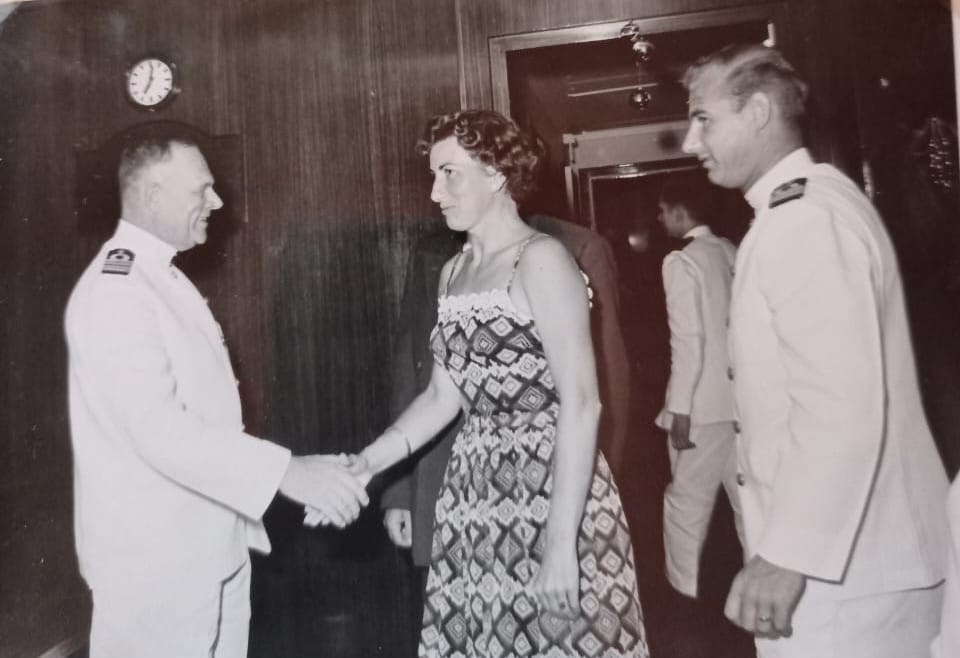
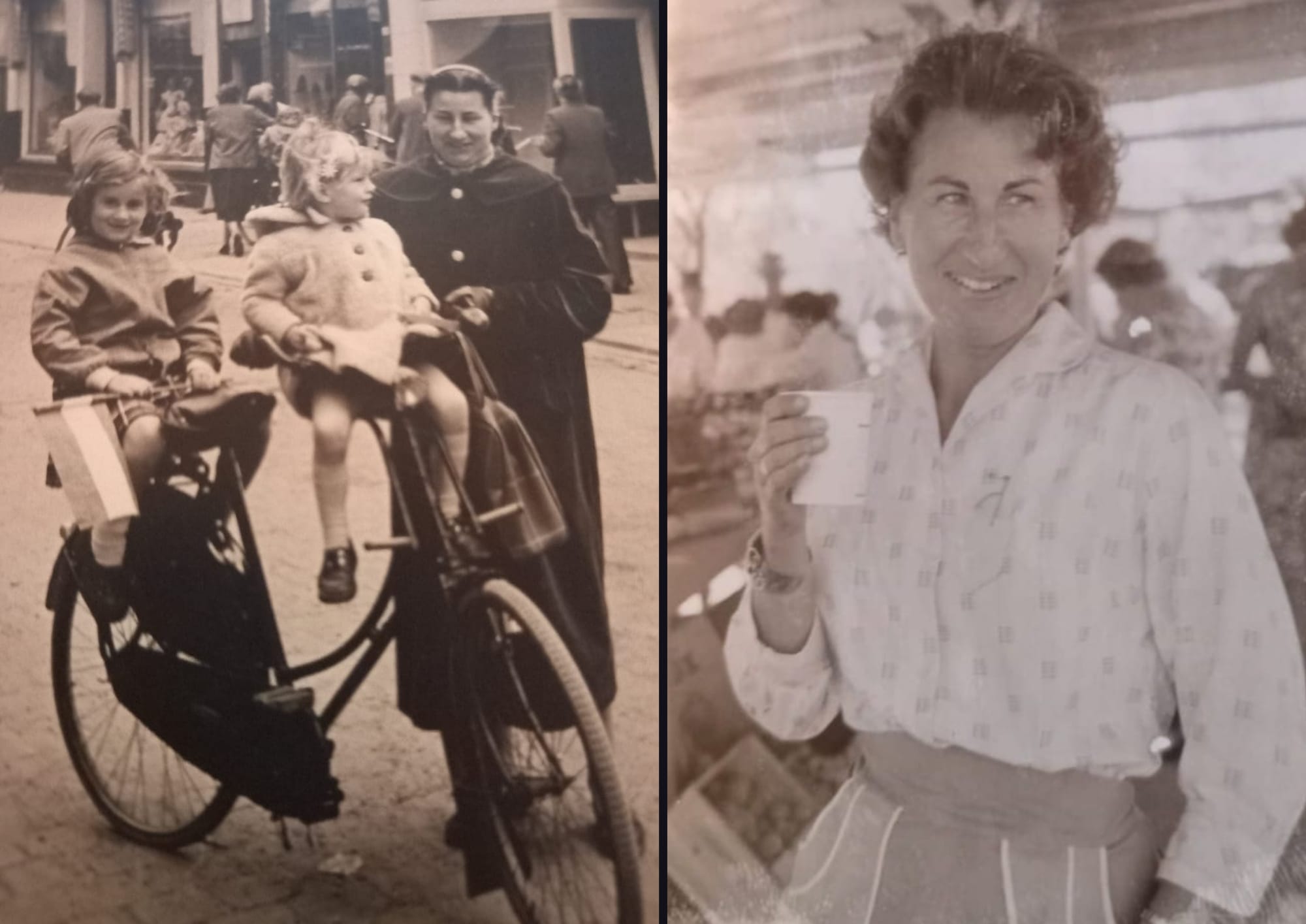
By 1963 Henk’s father requested that he return to the Netherlands to take over the family construction business. Once again the family packed up and moved. After a period in Breda they settled in Asperen near Leerdam. But after years abroad the family struggled to adapt and eventually returned to South Africa. The van Dongens settled in Hatfield, Pretoria until Henk’s retirement.
In 1983 daughter Linda and her family moved to Australia while Marlies settled in Barberton. When retirement came, the van Dongens chose Barberton so they could be close to family.
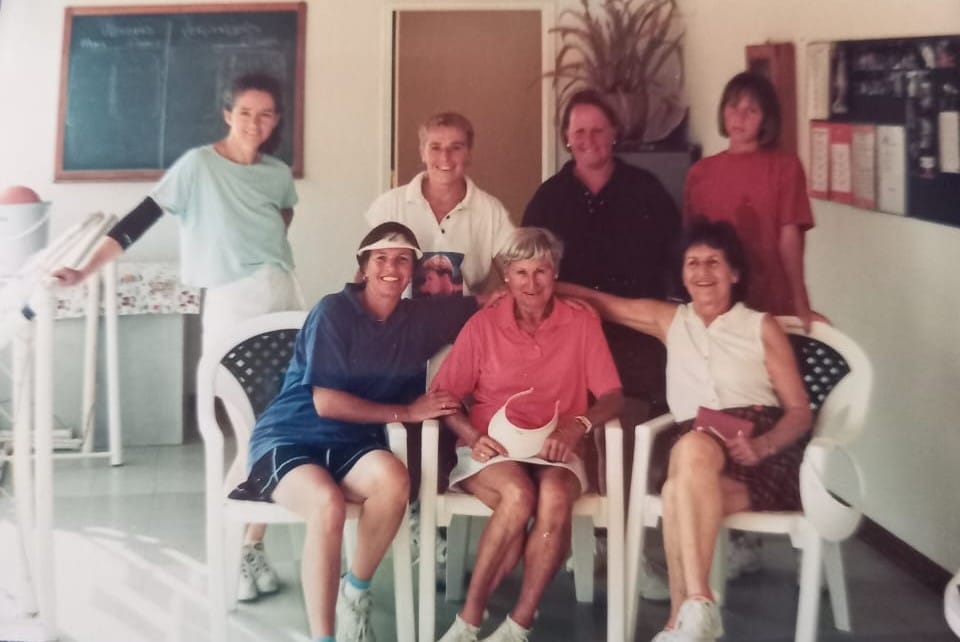
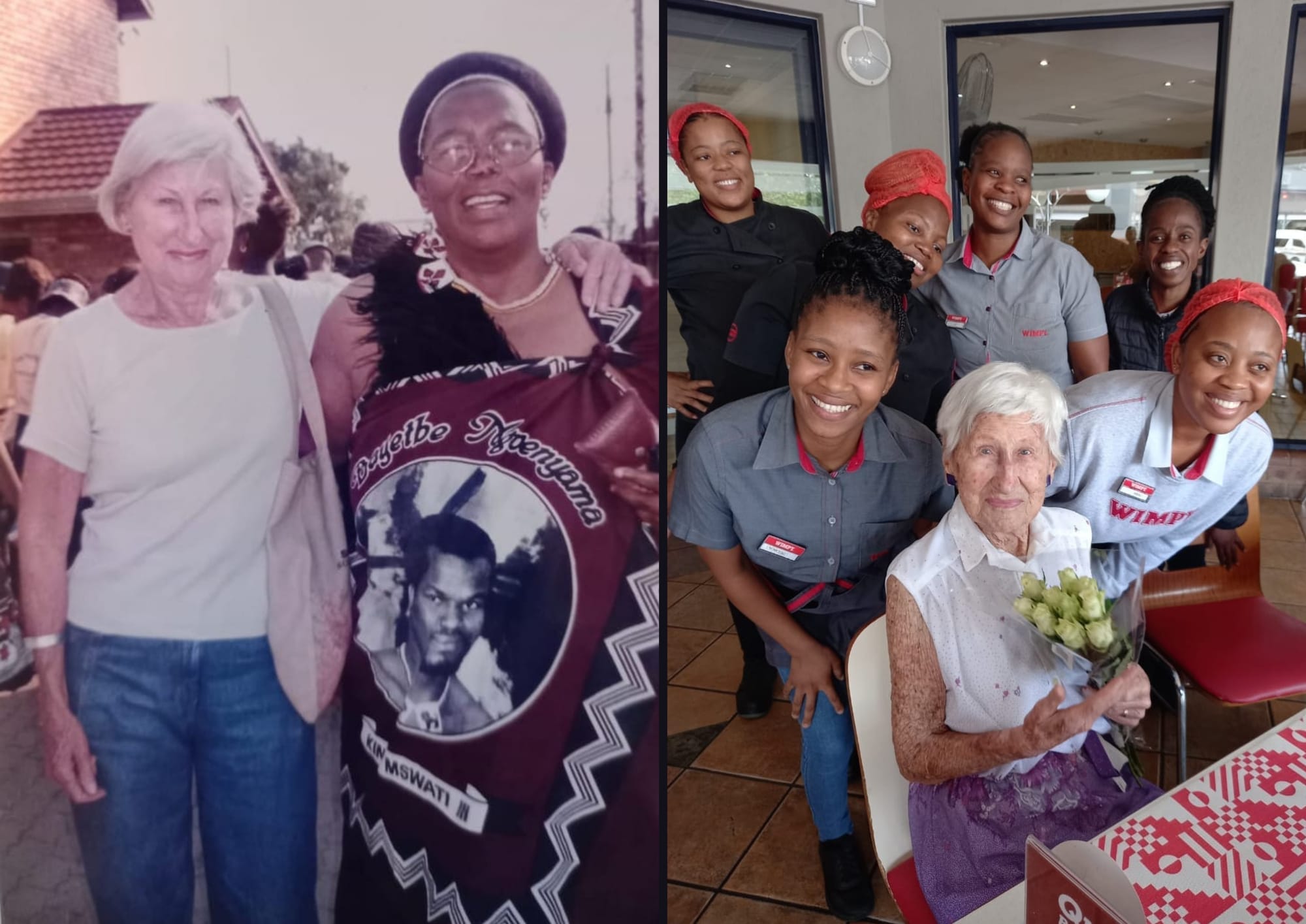
Marlies said that her mom was always a sickly child. Her appendix was removed when she was two. She has been hospitalised in several towns where she lived, once even being airlifted to Johannesburg with peritonitis while living in Sasolburg. She is also a cancer survivor.
A year ago she suffered a fall that left her with a broken wrist and fractured hip. After two orthopaedic operations and physiotherapy she is once again able to walk, although she prefers the support of a walker.
Even at 105, Rienie’s personality shines through. She enjoys having her pedicures and always makes sure she has lipstick and an eyebrow pencil when she goes out. Most of all, even if she cannot remember everything, she simply enjoys life!

Comments ()